Overview
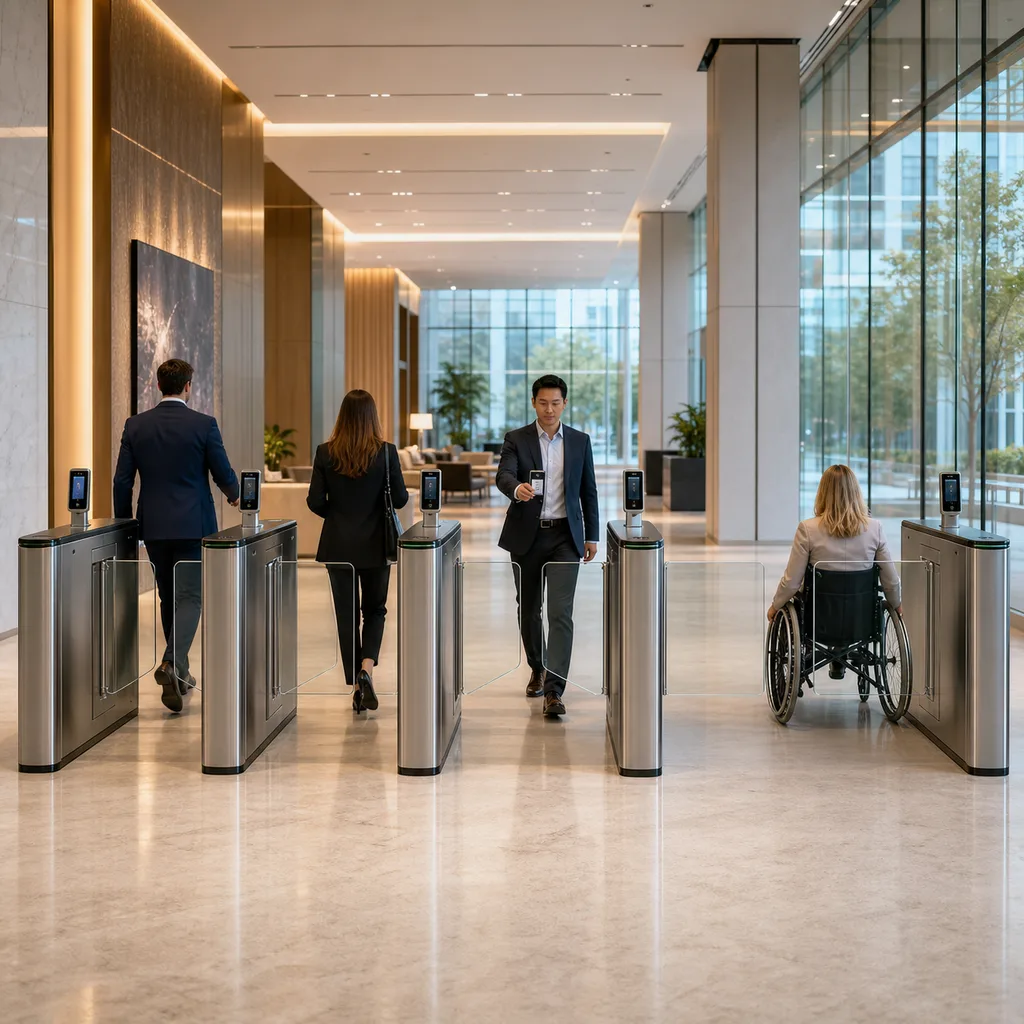
The REDCOAST.LTD RC-PG-600 is a grid-powered pedestrian security entrance system — a modular family of speed gates and turnstiles that governs how people enter office buildings, campuses, transit stations, factories, government compounds and secured outdoor venues. Each lane pairs a fast, motorized barrier with an edge-AI identification head (face recognition plus multi-credential readers) and REDCOAST.LTD's own access controller, delivered end-to-end with a web management platform and a mobile app. The result is a single, tuned solution rather than an assembly of mismatched third-party parts: it moves authorized people through quickly, stops tailgaters and intruders, keeps an auditable record of every passage, and releases instantly for fire evacuation. For facility owners it replaces manned checkpoints, cuts queueing at peak hours, and turns the entrance into a live data source for occupancy, attendance and security operations.
Key Features
- Fast, high-throughput lanes — retractable-wing (flap), swing-arm and drop-arm mechanisms open in 0.2–0.6 s and sustain 30–60 persons/minute per lane, keeping lobbies and gate lines moving at peak.
- Edge-AI face recognition head — 1:1 and 1:N matching in under 0.3 s, tolerant to masks, hats and wide lighting swings, with up to 50,000 faces stored on-device for offline operation.
- Multi-credential identification — face, QR/barcode (dynamic, screenshot-proof), RFID (13.56 MHz Mifare/DESFire + 125 kHz), fingerprint, palm and mobile BLE/NFC, freely combined per project.
- Self-developed brushless servo controller — REDCOAST.LTD-designed PCB drives a whisper-quiet BLDC servo rated for 5,000,000 cycles (MCBF), with smooth acceleration curves and precise wing positioning.
- 12–24 pair IR passage-detection arrays — self-developed signal-conditioning boards map the full lane to distinguish a single authorized user from a tailgater, a trailing bag or a climb-over attempt.
- Fail-safe fire-alarm linkage — a dry-contact/relay input from the building fire panel drives wings to full-open and holds them open until reset, keeping the egress route clear.
- Multi-protocol access controller — self-developed board speaks OSDP (Secure Channel), Wiegand 26/34, RS-485 and TCP/IP, integrating cleanly with existing access-control systems or running standalone.
- IoT edge gateway + platform + app — real-time lane status, remote open/close, OTA firmware, people-counting, blacklist/whitelist sync, visitor QR issuance and full audit logs from web and mobile.
- Anti-pinch, anti-strike safety — panels stop and reverse on obstruction; soft-material or organic-glass wing options protect users and property.
- Modular finishes and lane types — flap, swing, tripod, full-height and wide accessible lanes in one architecture, with brushed stainless or powder-coated cabinets.
Technical Architecture
Each lane cabinet integrates four REDCOAST.LTD-designed boards: a brushless-servo motor controller that drives the barrier mechanism with closed-loop position feedback; a multi-channel IR passage-detection signal-conditioning board that reads 12–24 sensor pairs and classifies passage events in real time; a multi-protocol access controller that authenticates credentials and enforces access rules; and a power-management board that regulates the grid supply, sequences the mechanism and (optionally) manages a LiFePO4 UPS. An edge-AI identification module handles on-device face recognition, while an IoT edge gateway aggregates lane telemetry and bridges to the cloud.
The control logic is deterministic and local-first. When a credential is presented, the access controller validates it against the on-device database (or a networked ACS), the identification result and passage state are fused, and — only if the person is authorized and the lane is clear — the servo controller opens the barrier. The IR array continuously watches for tailgating, wrong-way entry and loitering, raising local audible/visual alarms and pushing events to the platform. Because identification, rules and mechanism control all run on the edge boards, a lane keeps operating through a network outage; the gateway resynchronizes logs and credential lists when connectivity returns.
Data flows upward to the REDCOAST.LTD platform for centralized configuration, live monitoring, people-counting analytics, attendance and visitor management, with role-based access and complete audit trails. Northbound APIs (REST/MQTT) and standard reader protocols let the system slot into a customer's wider security, building-management or attendance stack rather than forcing a rip-and-replace.
Connectivity & Power
The RC-PG-600 is a grid-powered product designed for buildings, campuses and venues with mains electricity — it does not use solar. Standard input is AC 100–240 V, 50/60 Hz, with a self-developed power-management board delivering regulated DC to the mechanism, identification head and controllers. Primary connectivity is wired Gigabit Ethernet (TCP/IP) between lanes and to the platform; Wi-Fi, 4G/5G and RS-485/OSDP are available where structured cabling is limited. For sites that must ride through brownouts or keep logging during outages, an integrated LiFePO4 UPS module sustains identification, controller and fail-safe operation and drives the wings to their safe state on power loss. Reader-protocol flexibility (OSDP, Wiegand, RS-485, TCP/IP) means the same lane can front a new deployment or an existing card population.
Protection & Reliability
Cabinets are built from 1.2–1.5 mm SUS304 stainless steel (SUS316 for coastal/high-salt sites) or powder-coated steel, with tempered-glass or brushed-steel wings. Indoor lobby units are rated IP44; semi-outdoor canopy installations IP54; and outdoor-rated lanes reach IP65 with a sealed head and an optional thermostatic heater/anti-condensation kit for cold or humid climates. The BLDC servo mechanism is rated for 5,000,000 cycles (MCBF) and operates from -20 to +60 °C (extended -30 °C with heater). Anti-pinch reversal, soft-close and overload protection safeguard both users and the mechanism, while surge and ESD protection on the self-developed boards harden the electronics against real-world power quality. These choices target multi-year, high-duty operation in transit and public-venue environments where gates cycle tens of thousands of times per day.
Application Scenarios
- Office towers & corporate HQ lobbies — glass speed gates with face + mobile credentials deliver frictionless staff flow, visitor QR access and live occupancy counts for security and workplace teams.
- Metro, BRT and railway stations — high-throughput flap or tripod lanes handle dense peak-hour crowds, integrate with fare/validation systems, and fail open on alarm for mass egress.
- University & corporate campuses — networked lanes across multiple buildings share one credential database and reporting, controlling access to labs, dorms, libraries and data halls.
- Stadiums, arenas & tourist attractions — outdoor-rated tripod and full-height turnstiles combine ticket QR scanning with tailgating prevention and real-time gate-line counts at large events.
- Factories, logistics parks & construction sites — rugged full-height turnstiles enforce safety induction, EHS compliance and contractor time-and-attendance at the perimeter.
- Government buildings, courts & critical infrastructure — high-security swing lanes with anti-tailgating, blacklist screening and full audit logging protect controlled zones.
Case-style Examples
-
Corporate headquarters lobby retrofit: A multi-tenant office wanted to remove reception queues without an unwelcoming look. Six glass speed-gate lanes (one wide accessible lane) with face recognition and mobile BLE credentials were specified, tied into the existing OSDP access-control system and the fire panel for fail-safe egress. Morning peak throughput rose sharply, tailgating incidents dropped, and facilities gained live floor-occupancy dashboards for cleaning and HVAC scheduling.
-
Transit interchange gate line: A busy commuter station needed durable, fast lanes for crush-hour flow. Flap-barrier lanes with dynamic-QR ticket scanning, 24-pair IR arrays and integrated UPS were deployed; on fire-alarm activation all lanes drive open and hold, meeting life-safety requirements. Passenger dwell time at the gate line fell while fare-evasion attempts were flagged and logged.
-
Outdoor stadium & venue perimeter: For an open-air venue, IP65 full-height and tripod turnstiles with brushed stainless cabinets and heaters were installed at entry plazas, scanning event QR tickets and counting entries per gate in real time — giving operations a live headcount for crowd management and safety.
Customization & Selection Guide
Start with the lane type: glass speed gates for premium lobbies and image-sensitive sites; flap barriers for high-volume transit; tripod turnstiles for economical crowd control; full-height turnstiles for unmanned high-security perimeters; and always include at least one wide accessible lane (900–1,000 mm) where egress or accessibility is required. Choose identification by security level and traffic — face + mobile for staff, dynamic QR for visitors/ticketing, RFID for legacy card populations, palm/fingerprint for high-assurance zones. Pick finish and IP class by environment: brushed SUS304 IP44 indoors, powder-coated or SUS316 IP54–IP65 for semi-outdoor and coastal sites, plus heater kits for cold climates. Add UPS where continuity or fail-safe-on-outage is mandated, and select integration protocol (OSDP/Wiegand/RS-485/TCP/IP or REST/MQTT) to match the customer's existing security and attendance stack. REDCOAST.LTD tunes board firmware, throughput curves and platform workflows to the project rather than shipping a fixed SKU.
Deployment & After-sales
Lanes ship as pre-wired cabinets for surface mounting on a level floor or plinth, with a template-guided anchor layout and clearly labeled power, network and fire-alarm terminations. A typical multi-lane bank is commissioned in days: mechanical leveling, credential enrollment, rule and fire-linkage configuration, and platform/app onboarding. REDCOAST.LTD provides project engineering drawings, on-site or remote commissioning support, operator training, OTA firmware updates and a spare-parts program, backed by a warranty-oriented reliability commitment and responsive technical support across time zones.
Standards & Compliance
The RC-PG-600 is engineered toward international norms for power-operated pedestrian entrance systems and life-safety egress, including BS EN 17352 (powered pedestrian entrance control), EN 16005 safety-of-use principles for power-operated barriers, NFPA 101 / IBC fail-safe egress behavior, and ADA/accessible-lane provisions. Electronics and materials target CE, FCC, RoHS and IP44–IP65 protection ratings, with OSDP Secure Channel for hardened reader communications. Exact certification scope is aligned to the destination market and project specification.
Why REDCOAST.LTD
REDCOAST.LTD delivers the complete pedestrian entrance as one integrated solution — mechanism, electronics, platform and app — and, crucially, designs its own hardware: the brushless-servo controller, IR passage-detection signal-conditioning board, multi-protocol access controller and power-management board are developed in-house, with custom PCBs opened per project. That control lets us tune throughput, safety logic, credential mix, finishes and integrations to each site instead of bending the customer around an off-the-shelf gate. Software and hardware are built and supported by one team, so the entrance behaves as a coherent system from the first badge-in to the platform dashboard.
Tell us your building, throughput and security requirements, and REDCOAST.LTD will engineer a pedestrian speed-gate and turnstile solution — hardware, platform and app — tailored to your project. Contact us to start your custom design.
Specifications
Passage & Mechanism
- Gate Types
- Flap / Swing / Tripod / Full-height / Wide accessible
- Lane Width (standard)
- 550-650 mm
- Lane Width (accessible)
- 900-1000 mm
- Opening Time
- 0.2-0.6 s
- Throughput
- 30-60 persons/min
- Drive
- Brushless DC servo (closed-loop)
- Mechanism Life (MCBF)
- 5,000,000 cycles
- Wing / Arm Material
- Tempered glass / acrylic / SUS304
Identification & Access
- Credentials
- Face / QR / RFID / Fingerprint / Palm / BLE-NFC
- Face Recognition
- 1:1 & 1:N, mask-tolerant
- Face Match Time
- < 0.3 s
- On-device Face Capacity
- up to 50,000 faces
- RFID Frequencies
- 13.56 MHz + 125 kHz
- QR
- Dynamic / screenshot-proof
Controller & Connectivity
- Reader Protocols
- OSDP (Secure Channel) / Wiegand 26-34 / RS-485
- Network Uplink
- Gigabit Ethernet (TCP/IP)
- Optional Wireless
- Wi-Fi / 4G / 5G
- Northbound API
- REST / MQTT
- Management
- Web platform + mobile app
- Operation Mode
- Standalone or networked ACS
Detection & Safety
- IR Sensor Pairs
- 12-24 pairs
- Protection Logic
- Anti-tailgating / anti-climb / wrong-way / loitering
- Anti-pinch
- Stop & reverse on obstruction
- Fire-alarm Interface
- Dry-contact / relay, fail-safe open
- Alarm Outputs
- Audible + visual + platform event
- Passage Indication
- LED direction + arrow / cross
Power (grid)
- Input Voltage
- AC 100-240 V
- Frequency
- 50/60 Hz
- Power (idle)
- 15-40 W
- Power (peak, per lane)
- 80-200 W
- Backup (optional)
- Integrated LiFePO4 UPS
- Cold-climate Option
- Thermostatic heater / anti-condensation
Enclosure & Environment
- Cabinet Material
- SUS304 (SUS316 coastal) / powder-coated steel
- Cabinet Thickness
- 1.2-1.5 mm
- IP Rating
- IP44 indoor / IP54 semi-outdoor / IP65 outdoor
- Operating Temperature
- -20 to +60 (-30 with heater) °C
- Cabinet Length (typical)
- 1400-1600 mm
- Cabinet Height
- 980-1050 mm
Standards & Compliance
- Entrance Safety
- BS EN 17352 / EN 16005
- Egress / Life Safety
- NFPA 101 / IBC fail-safe
- Accessibility
- ADA accessible lane
- EMC / Materials
- CE / FCC / RoHS
- Reader Security
- OSDP Secure Channel
Capabilities — configurable per project
Specifications are tailored to each project — the options below show what we can support.
Gate Type
- Glass speed gate (flap)
- Swing barrier
- Tripod turnstile
- Full-height turnstile
- Wide accessible lane
Identification
- Face recognition
- Dynamic QR / barcode
- RFID 13.56MHz + 125kHz
- Fingerprint / palm
- Mobile BLE / NFC
Cabinet Finish
- Brushed SUS304
- SUS316 marine-grade
- Powder-coated steel
- Tempered-glass side panels
Deployment / Rating
- Indoor lobby (IP44)
- Semi-outdoor canopy (IP54)
- Outdoor-rated (IP65 + heater)
Integration
- Standalone
- OSDP / Wiegand to existing ACS
- TCP/IP networked platform
- REST / MQTT to BMS / attendance
Related solution guidance
Power and Connectivity
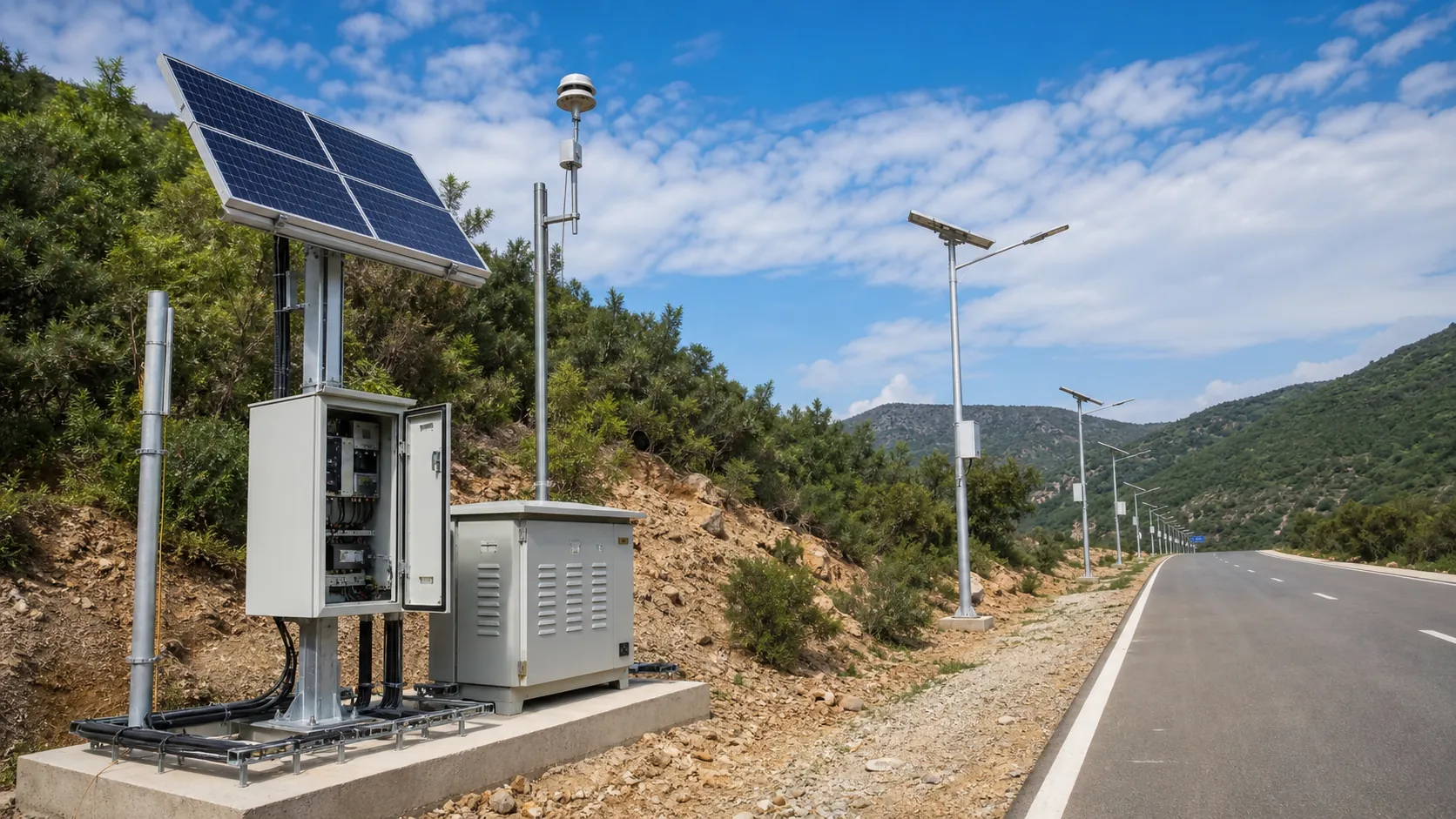
How to choose power, battery, solar, NB-IoT, LTE, LoRaWAN, gateways and monitoring strategy for outdoor IoT infrastructure.
Campuses
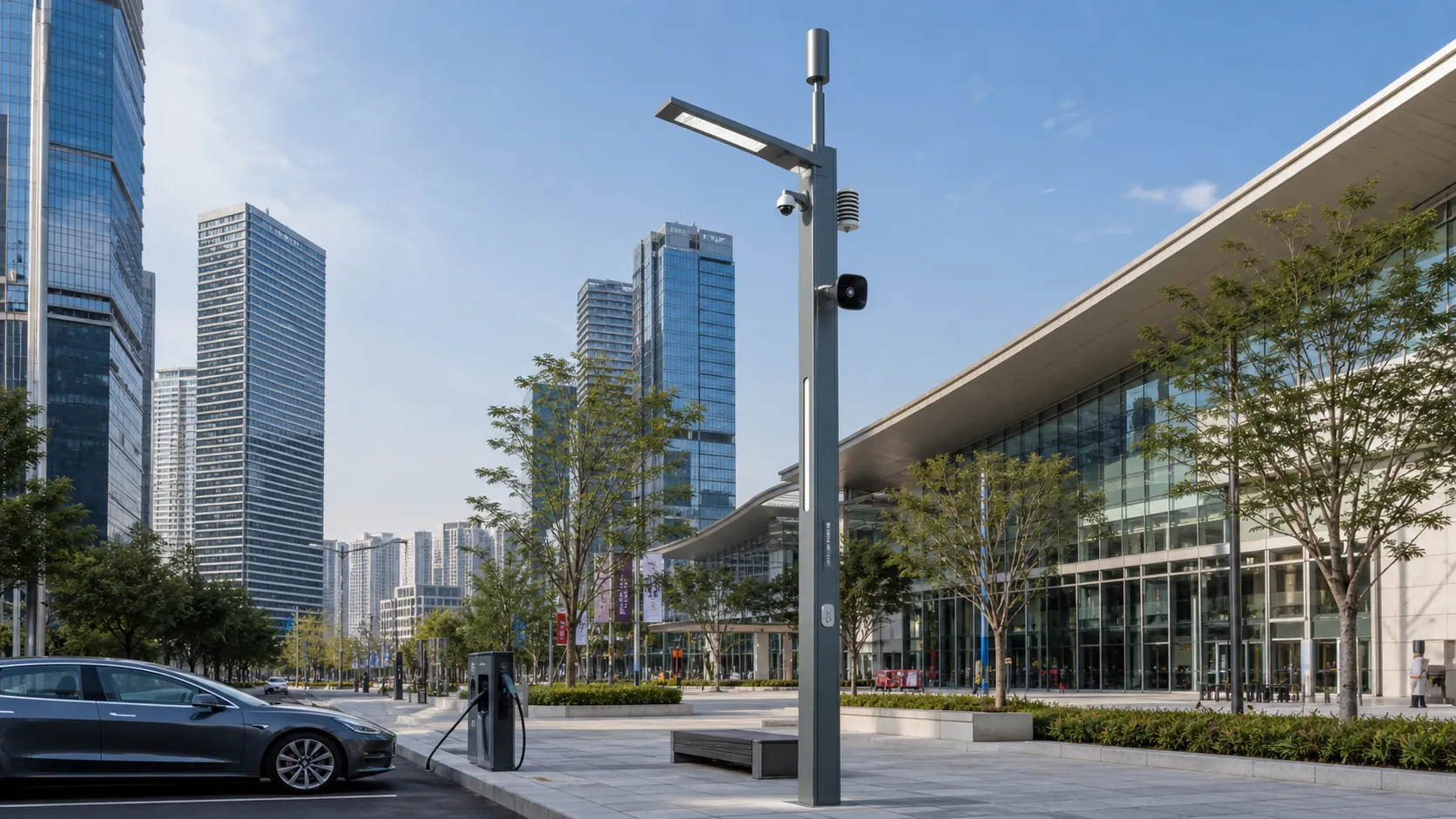
Campus IoT for lighting, parking, safety, smart poles, environmental data and facility maintenance workflows.
Industrial Parks
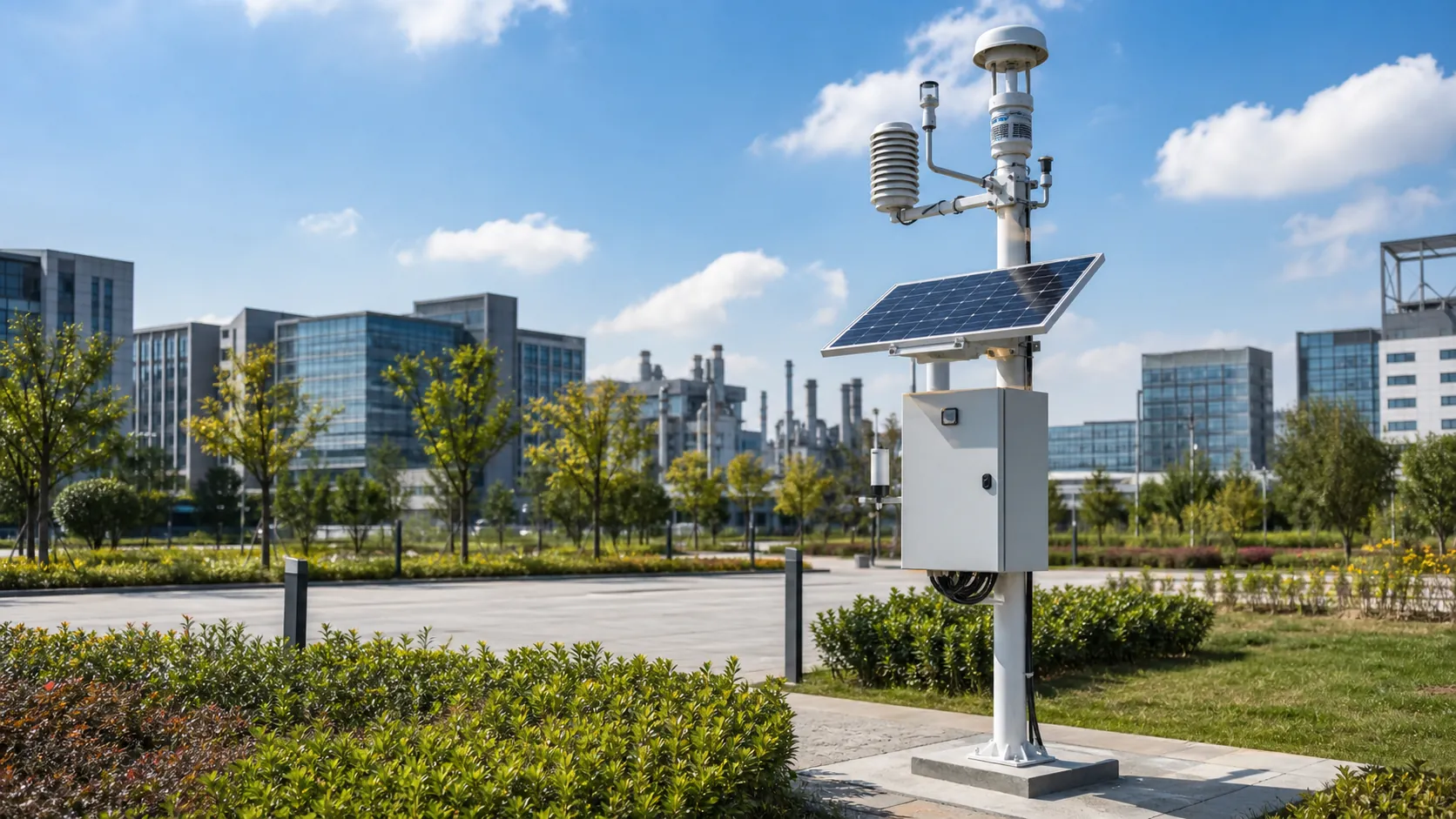
Industrial park IoT for lighting, access areas, environmental monitoring, energy visibility, parking and maintenance operations.
Frequently Asked Questions
What types of pedestrian turnstiles does REDCOAST.LTD make?
The RC-PG-600 family covers glass speed gates (flap barriers), swing barriers, tripod turnstiles and full-height turnstiles, plus wide accessible lanes. All share one access controller, IoT platform and mobile app, so a single deployment can mix lane types for lobbies, transit gates and outdoor perimeters.
Do the turnstiles support face recognition and multiple credentials?
Yes. Each lane can carry an edge-AI face-recognition head that matches in under 0.3 s and stores up to 50,000 faces on-device for offline operation. It also accepts dynamic QR, RFID (13.56 MHz + 125 kHz), fingerprint, palm and mobile BLE/NFC, freely combined per project.
Are the gates safe for fire evacuation and power failure?
They are engineered for fail-safe egress: a dry-contact/relay input from the building fire panel drives the wings fully open and holds them open until reset. On power loss, an optional integrated UPS drives barriers to their safe state, aligned with NFPA 101/IBC and EN 17352 principles.
How do the turnstiles stop tailgating?
Each lane uses 12–24 pairs of infrared beams read by a self-developed signal-conditioning board that maps the full passage. It distinguishes a single authorized user from a tailgater, a trailing bag or a climb-over attempt, triggering local audible/visual alarms and platform events while anti-pinch logic protects users.
Can they integrate with our existing access-control or attendance system?
Yes. The self-developed controller speaks OSDP (Secure Channel), Wiegand 26/34, RS-485 and TCP/IP, and the platform exposes REST/MQTT APIs. Lanes can run standalone or front an existing ACS, BMS or time-and-attendance system without a rip-and-replace.
Are the turnstiles suitable for outdoor installation?
Yes. Cabinets are available in IP44 for indoor lobbies, IP54 for semi-outdoor canopies and IP65 for open-air venues, in SUS304 or coastal-grade SUS316 with optional thermostatic heaters for cold or humid climates. Full-height and tripod turnstiles suit stadiums, construction sites and unmanned perimeters.
What is the throughput and how fast do the gates open?
Barriers open in 0.2–0.6 s and each lane sustains 30–60 persons per minute, depending on gate type and credential mix. Wide accessible lanes and dynamic-QR scanning are tuned for crush-hour transit and event gate lines.
Does REDCOAST.LTD manufacture the electronics or just assemble gates?
REDCOAST.LTD designs its own hardware and opens custom PCBs per project — including the brushless-servo controller, IR passage-detection board, multi-protocol access controller and power-management board — and delivers the platform and app with one team, enabling deep customization of throughput, safety logic and integrations.