Outdoor IoT reliability usually depends on two questions: will the device stay powered, and will data arrive when operators need it? This guide frames those decisions together.
Power and connectivity matrix
| Decision factor | Recommended approach | Buyer risk to avoid |
|---|---|---|
| Data volume | Use low-power wide-area options for small telemetry, LTE for higher bandwidth or direct cloud connection. | Choosing connectivity only by module price ignores subscription, gateway, power and maintenance cost. |
| Power availability | Use grid where reliable, solar where cabling is costly, and hybrid where uptime risk justifies extra design. | Wrong power choice creates either unnecessary cost or recurring outages. |
| Ownership model | Decide who owns SIMs, gateways, network credentials and platform access before rollout. | Unclear ownership blocks troubleshooting and supplier handover. |
Power choices
Grid, solar and hybrid power each create different maintenance and monitoring requirements.
- Grid power works well when supply is stable and cabinet access is safe.
- Solar power needs load calculation, autonomy design and battery health monitoring.
- Hybrid designs may reduce outage risk but need clear priority and protection logic.
Connectivity choices
Connectivity should be selected by coverage, ownership, data volume and operating model.
- NB-IoT can fit low-data devices where operator coverage is strong.
- LTE works for higher data needs or simpler direct cloud connection.
- LoRaWAN can work well for dense sites where the owner can place gateways.
Monitoring strategy
Power and connectivity telemetry should be visible before failures create field visits.
- Track voltage, battery alerts, gateway status and last report time.
- Define offline thresholds by device type and safety impact.
- Use reports to find recurring weak-signal or low-power zones.
Checklist
Planning checkpoints
Choose communication after checking real site coverage.
Keep battery and power telemetry visible in the platform.
Set different offline thresholds for critical and non-critical devices.
Plan gateway access and maintenance before deployment.
Standards
Standards and interface notes
- Test real site signal before finalizing NB-IoT, LTE, LoRaWAN or gateway placement.
- Track last report time, voltage and gateway status in the same operating dashboard.
- For solar devices, document panel, battery, controller and autonomy assumptions.
- Set offline thresholds by device criticality rather than using one global timeout.
Procurement
Commercial questions to settle
- Who pays and manages SIM cards or gateway backhaul?
- Which devices are critical enough to need shorter offline thresholds?
- Can field teams access gateways and batteries safely?
- Will the customer need to migrate devices to another platform later?
Acceptance
Evidence buyers should request
| Acceptance test | Pass criteria | Evidence |
|---|---|---|
| Signal survey | Representative sites meet the agreed signal or packet delivery requirement. | Survey log and platform report. |
| Power telemetry | Operators can see voltage, low-power alarm and last communication time. | Dashboard screenshot and telemetry export. |
| Recovery behavior | Device recovers after power or network interruption without manual reconfiguration. | Interruption test log. |
Related Products
Product capabilities for this page
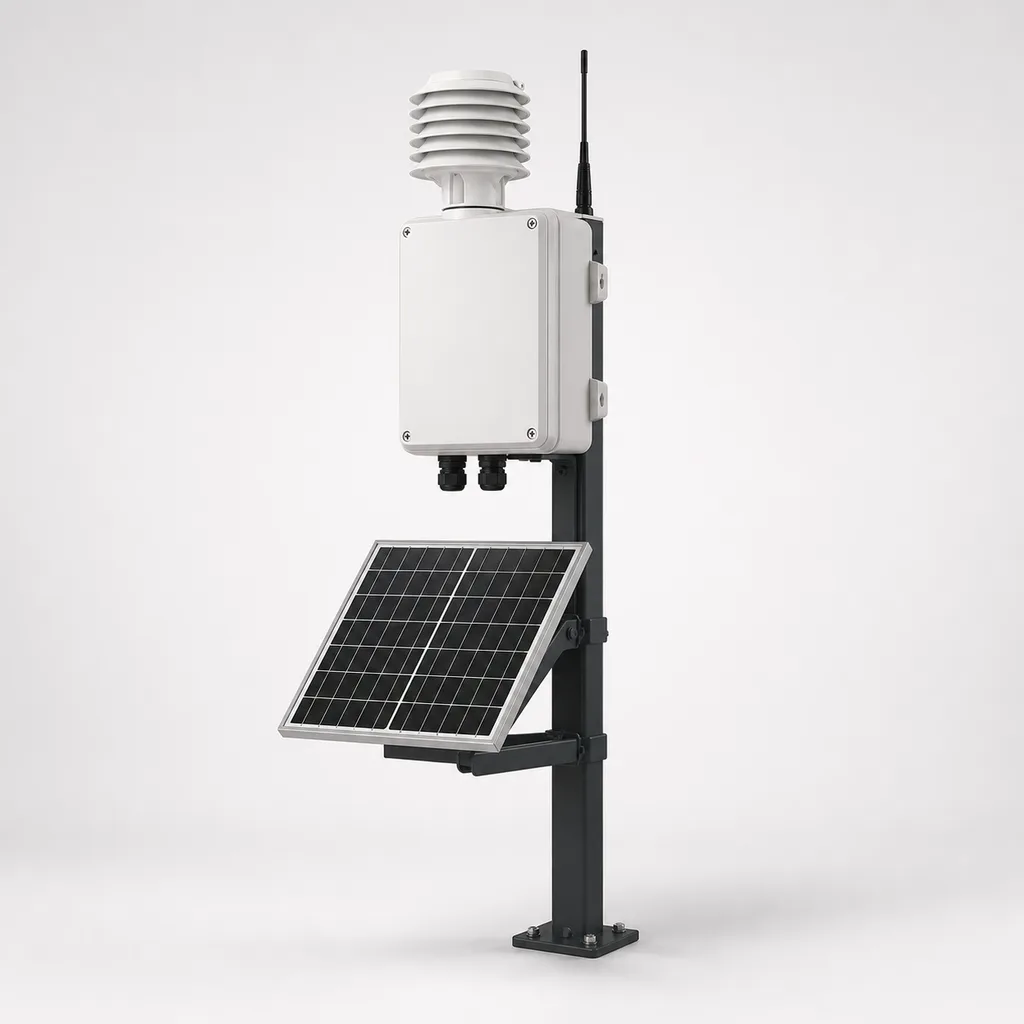
Off-Grid Solar Air Quality Monitoring Station
Off-grid solar air quality monitoring station for PM1/PM2.5/PM10, NO2, O3, CO, SO2 and VOC, with 4G, NB-IoT or LoRaWAN links, a Web dashboard, REST API and mobile app, and REDCOAST.LTD in-house hardware for project-specific sensor sets.
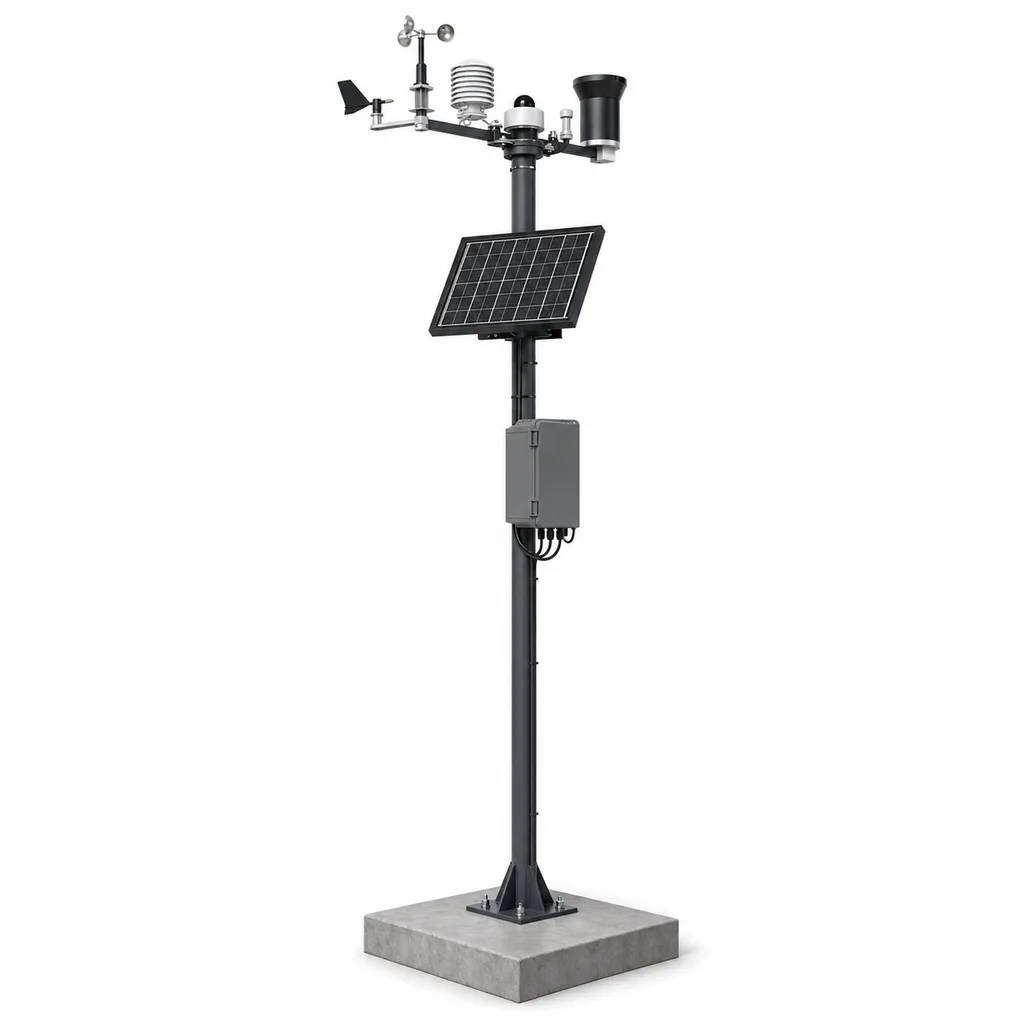
Off-Grid Solar Automatic Weather Station (AWS) — WMO-Class Multi-Parameter Meteorological Monitoring Mast
Off-grid solar Automatic Weather Station with a WMO-class 6-10 parameter sensor suite, REDCOAST.LTD-designed signal-conditioning PCB, MPPT power management and 4G/NB-IoT/LoRa/satellite edge gateway.
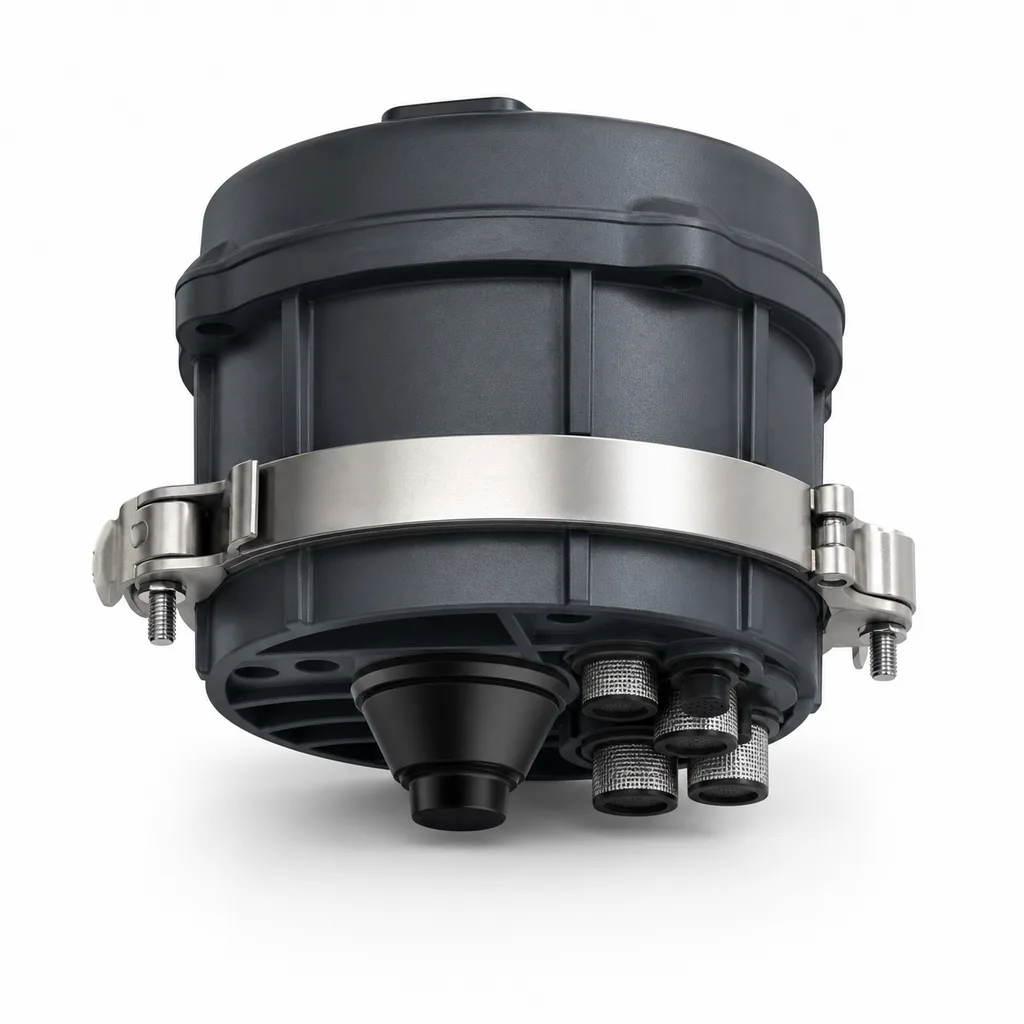
Smart Manhole & Underground Chamber Monitoring System
Battery-powered NB-IoT/LoRaWAN monitoring node for sewers, drains and underground chambers: 4-gas safety, radar level & overflow, and cover-theft alerts on one cloud platform and app.
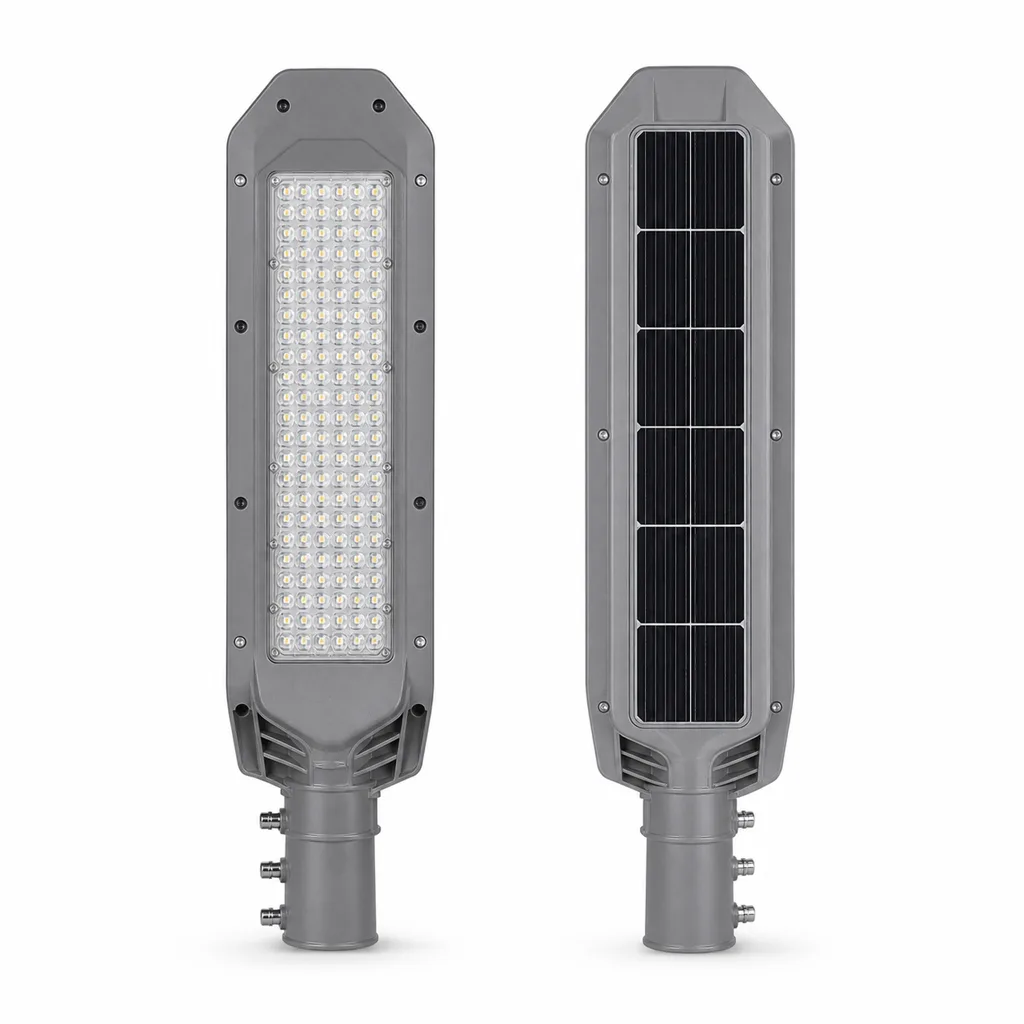
All-in-One Integrated Smart Solar LED Street Light
Self-contained solar LED street light integrating monocrystalline panel, LiFePO4 battery, MPPT controller and motion-sensing luminaire in one IP66 housing, with optional 4G/NB-IoT/LoRa remote management.
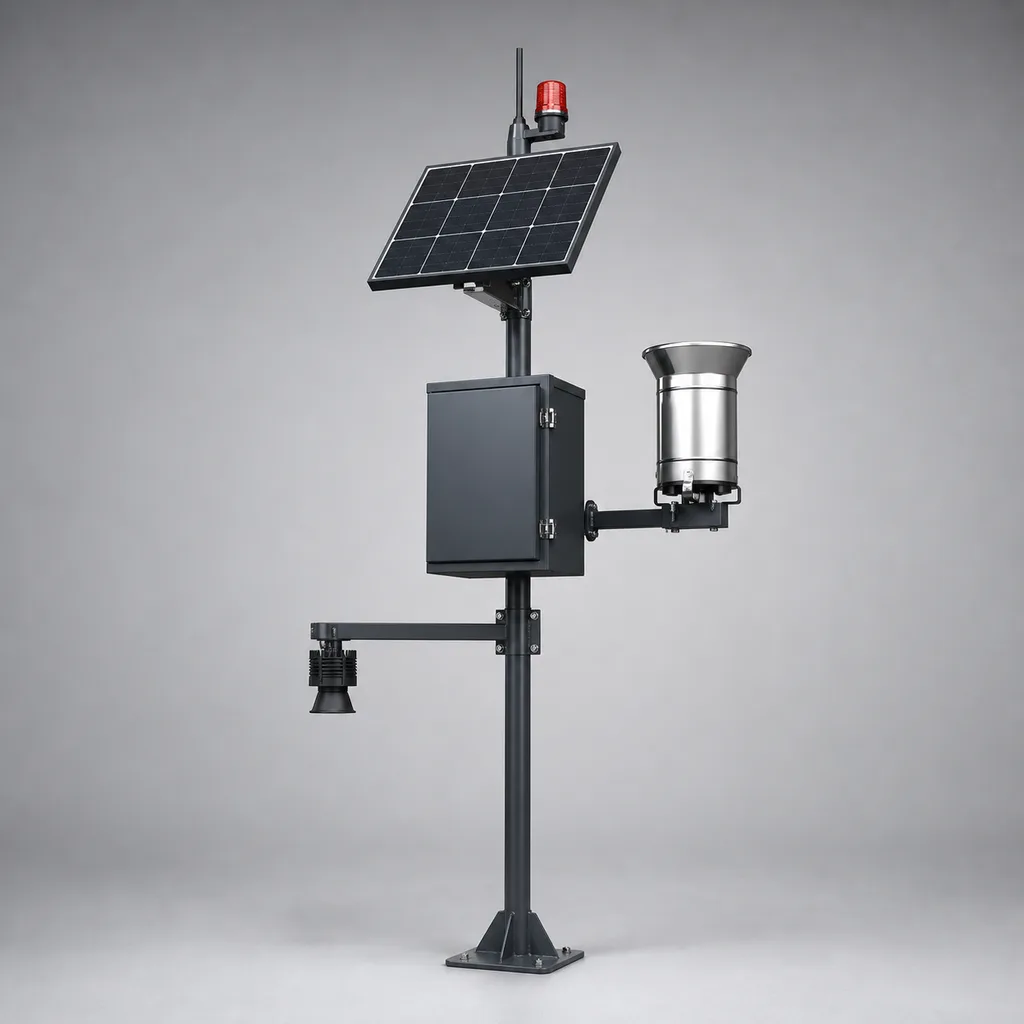
Off-Grid Solar Flood Early Warning & Hydrological Monitoring Station
Self-powered IoT field station combining 80 GHz radar water level, WMO-compatible rain gauge, REDCOAST.LTD-designed MPPT and edge-alerting gateway for unattended flood early warning at rivers, culverts, wadis and dams.
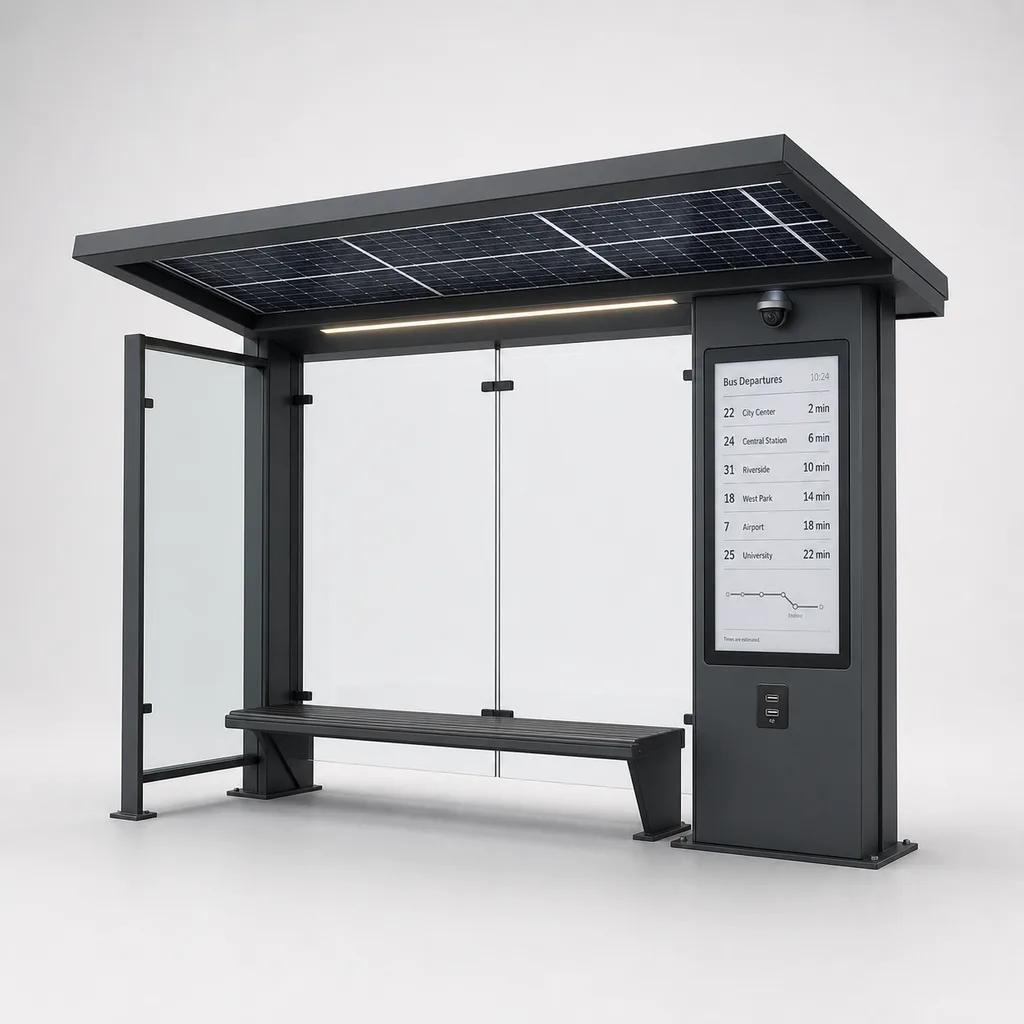
Off-Grid Solar Smart Bus Shelter with E-Paper Passenger Info, AI Camera & USB Charging
Self-powered smart transit shelter: solar LED lighting, sunlight-readable e-paper passenger information, AI safety camera, USB/USB-C charging and IoT telemetry, driven by REDCOAST.LTD in-house PCBs and platform.
Next
Related guidance
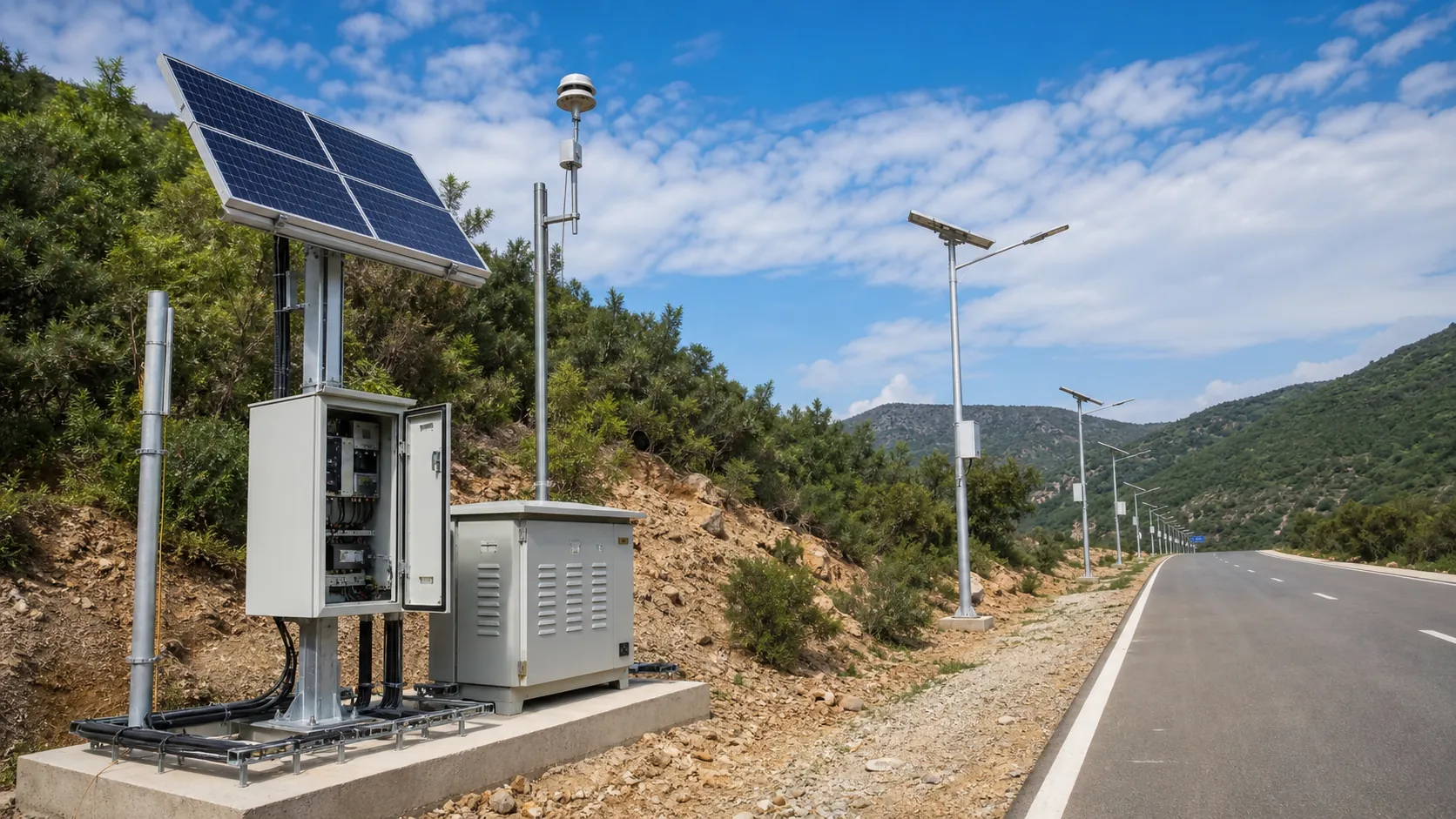
Solar Off-Grid IoT
Design solar-powered outdoor IoT systems with panels, batteries, controllers, low-power devices, gateways and remote power monitoring.
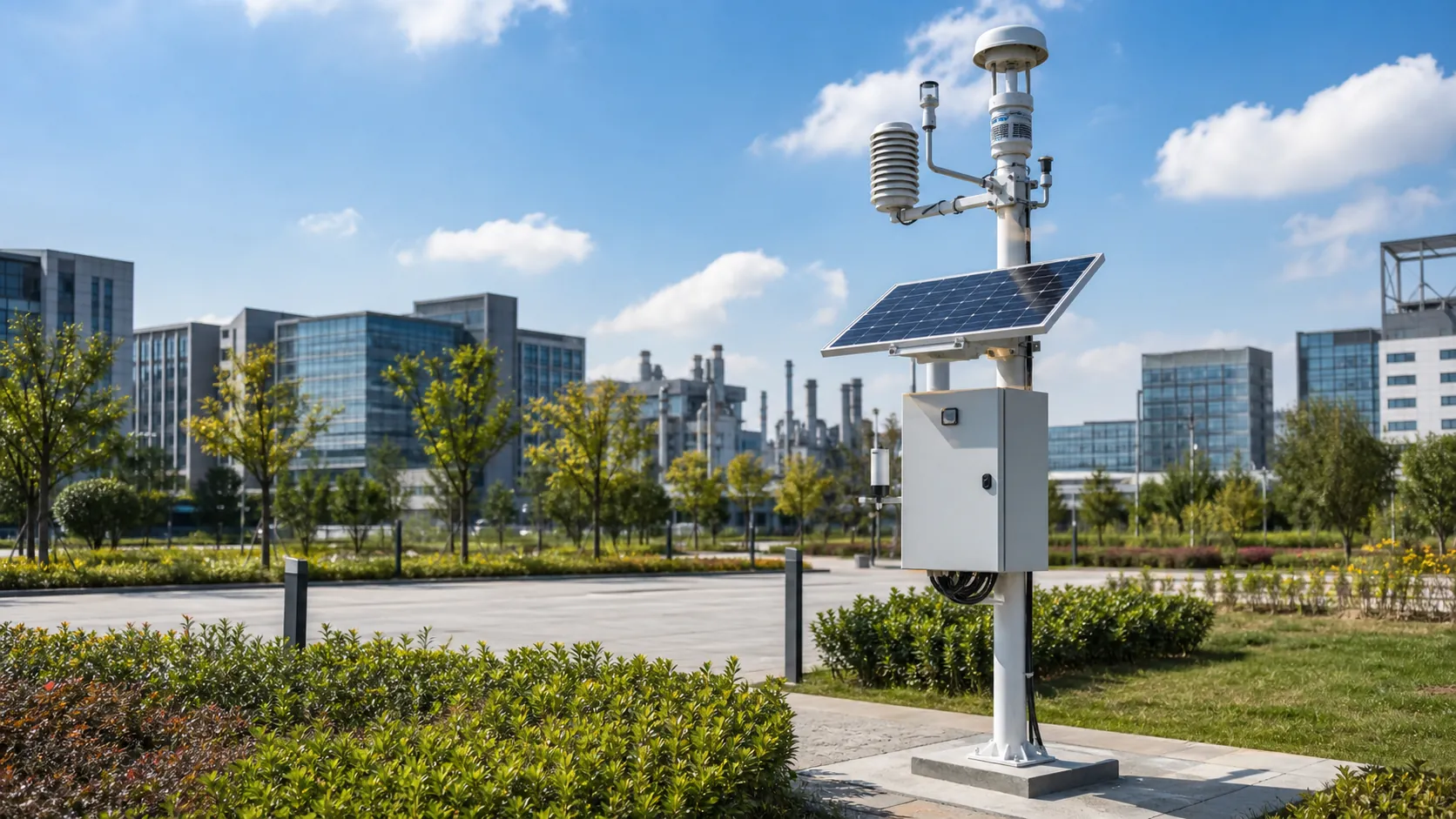
Environmental Monitoring
Deploy environmental monitoring stations with sensors, solar power, gateways, dashboards, alarms and data integration for city and industrial sites.

Smart Street Lighting
Plan an IoT street lighting system with LED luminaires, pole controllers, adaptive dimming, fault alarms, asset management and platform integration.
Frequently asked questions
Is LoRaWAN better than NB-IoT for outdoor IoT?
Neither is always better. LoRaWAN can fit owner-managed dense sites, while NB-IoT can fit low-data devices where carrier coverage is reliable.
When should LTE be used?
LTE is useful when devices need more bandwidth, direct cloud connection or simpler deployment without local gateway ownership.
What power data should be monitored?
Useful power data includes voltage, charge status, low battery alarms, panel input where available and last communication time.
Why is connectivity a power decision in outdoor IoT?
Different networks change transmit power, retry behavior, gateway needs and reporting interval, so connectivity directly affects battery and solar sizing.
What should be measured during a connectivity pilot?
Measure signal quality, packet delivery, latency, retry rate, power draw, gateway uptime and recovery after network interruption.
Need this engineered for your project?
Tell us the site type, required devices, power and connectivity conditions. REDCOAST.LTD will respond with a tailored approach.