Industrial parks need systems that reduce manual inspection and make shared infrastructure visible. REDCOAST.LTD designs outdoor devices, gateways, dashboards and mobile workflows around park operations.
Industrial park IoT decision matrix
| Decision factor | Recommended approach | Buyer risk to avoid |
|---|---|---|
| Zone model | Map roads, gates, tenant areas, loading zones and public areas before choosing devices. | A park-wide device list without zone logic produces weak reports and unclear maintenance ownership. |
| Ruggedization | Match enclosure, surge protection, mounting and communication to industrial dust, vibration, traffic and outdoor exposure. | Commercial-grade devices may fail early in industrial surroundings. |
| Tenant and operator roles | Separate owner, property, contractor and tenant permissions in the platform. | Over-broad access creates confusion and data governance risk. |
Shared infrastructure visibility
Parks often run lighting, parking, environmental monitoring, entrances and public areas through separate maintenance routines.
- A unified platform can show assets, faults, alarms and response status by zone.
- Mobile workflows help contractors record inspections, photos and repair closure.
- Role-based access separates park owner, property team, contractors and tenants.
Outdoor and edge reliability
Industrial environments require robust power, enclosures, mounting and communication design.
- Connectivity planning for open roads, loading areas, warehouses and edge zones.
- Power and surge protection suitable for outdoor infrastructure and industrial surroundings.
- Sensor and device placement that respects safety, access and maintenance requirements.
Data that supports operations
The goal is not just more sensors. The goal is fewer blind spots and clearer accountability.
- Trend views for environment, power, lighting status and facility exceptions.
- Alarm rules by priority, team and location.
- Exports for monthly reports, service evaluation and owner review.
Checklist
Planning checkpoints
Map park zones, asset owners and maintenance teams before device selection.
Plan gateway locations around signal coverage and service access.
Require alarm priority and work order ownership in the platform.
Use reporting needs to decide which sensors are worth deploying.
Standards
Standards and interface notes
- Power, cabinet and device installation should follow site safety and contractor access rules.
- Environmental monitoring data should distinguish operational alerts from formal compliance reporting.
- Network planning should cover warehouses, roads, gates and edge zones.
- Maintenance reports should be exportable for owner review and contractor evaluation.
Procurement
Commercial questions to settle
- Which assets are owned by the park and which belong to tenants?
- Does the platform need tenant-facing views or only operator views?
- Which zones have harsh exposure or weak connectivity?
- How will contractor performance be measured?
Acceptance
Evidence buyers should request
| Acceptance test | Pass criteria | Evidence |
|---|---|---|
| Zone dashboard | Assets, alarms and reports can be filtered by park zone and responsibility. | Dashboard screenshot and exported zone report. |
| Gateway coverage | Selected device locations report reliably during normal park operations. | Coverage test log and offline report. |
| Maintenance closure | A fault can be assigned, inspected, documented and closed with evidence. | Mobile work order record. |
Related Products
Product capabilities for this page
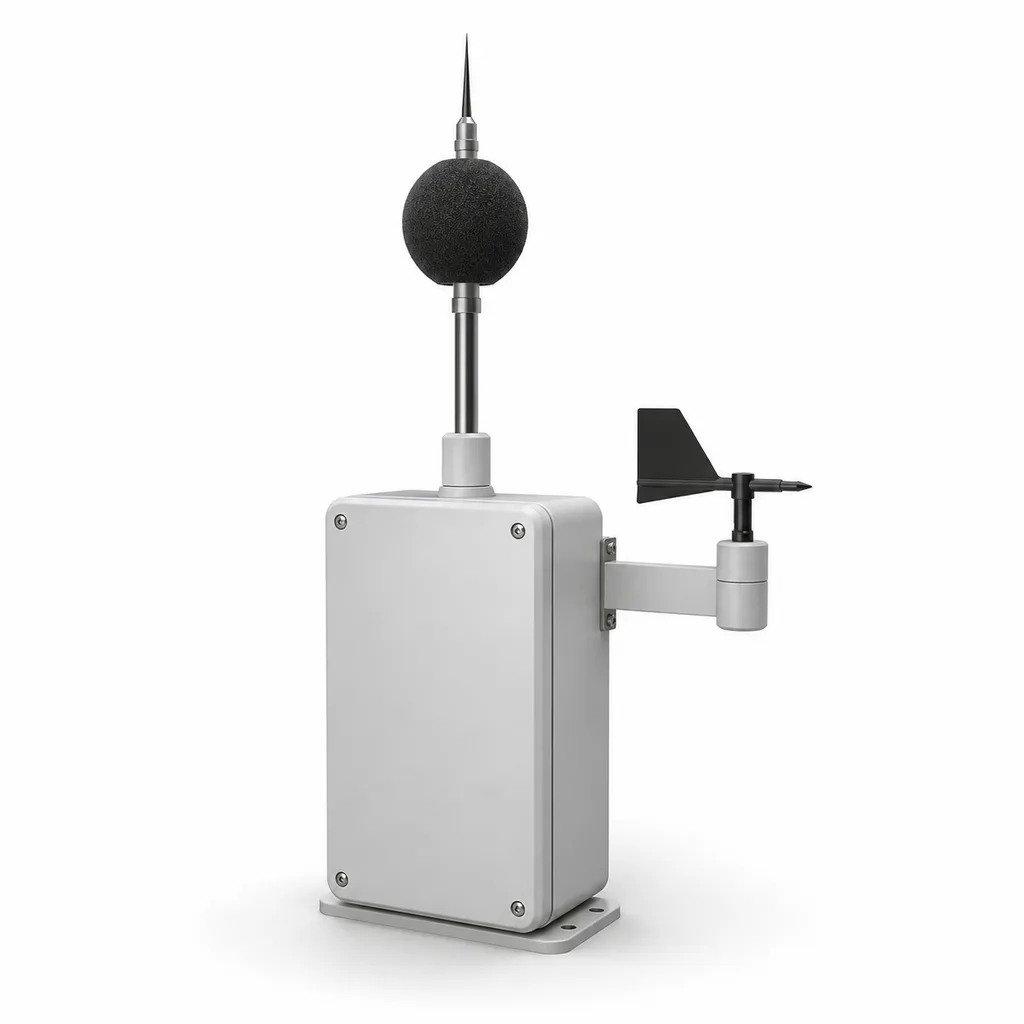
Class 1 Permanent Environmental Noise & Vibration Monitoring Terminal
Grid-powered, unattended Class 1 (IEC 61672) outdoor noise monitoring terminal with 1/3-octave analysis, edge-AI sound-source classification, weather sensors and optional triaxial vibration for airports, construction sites and industrial parks.
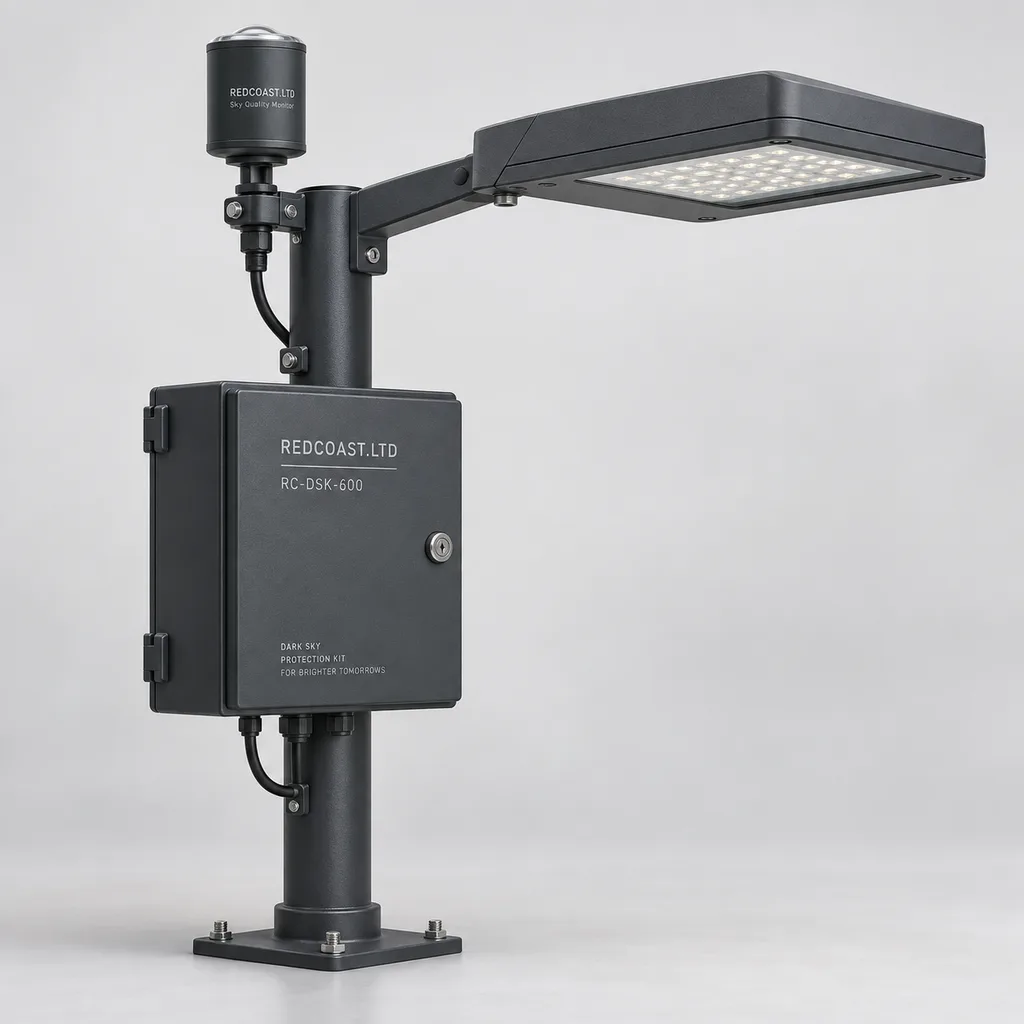
Dark Sky Protection Kit with SQM Monitoring, Shielded Lighting and Management Platform
A mains-powered dark sky protection system combining SQM monitoring, fully shielded warm lighting, local dimming controls and a platform for long-term reporting.
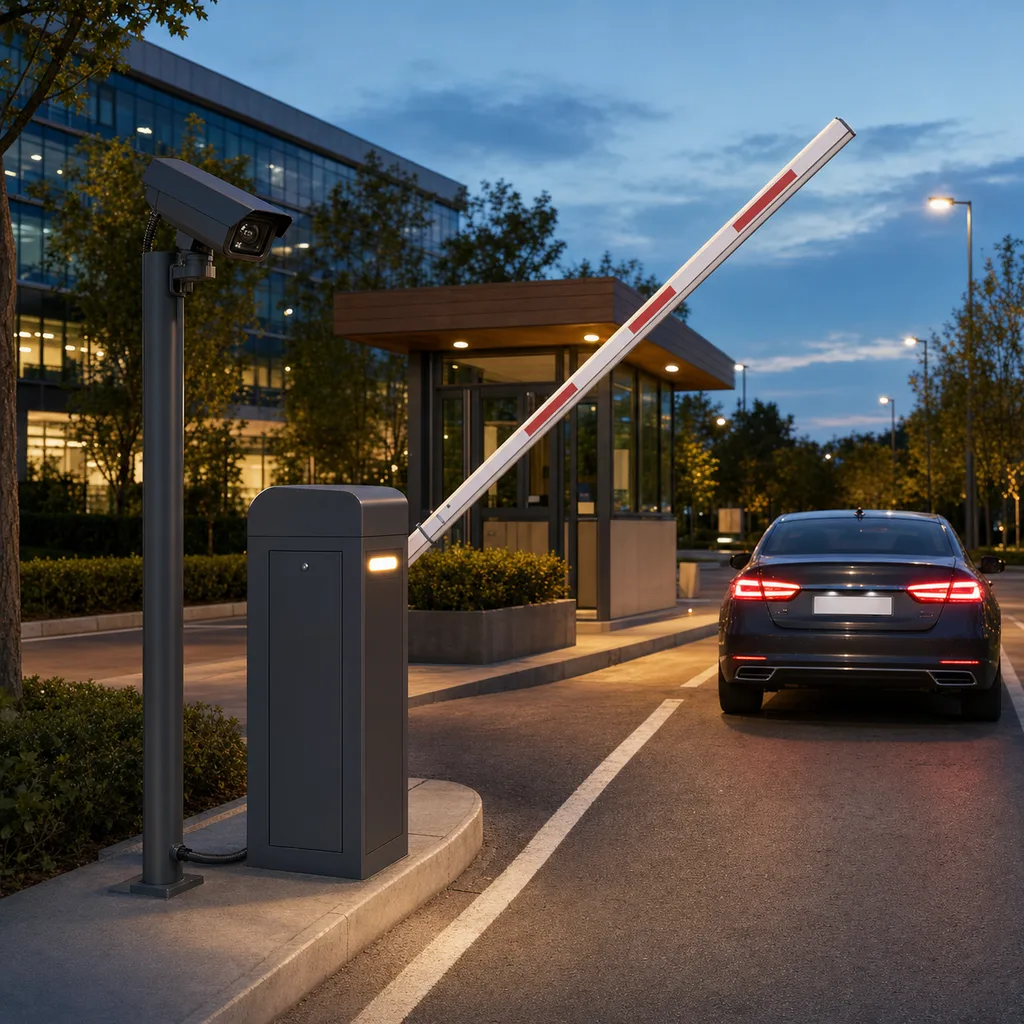
LPR Vehicle Access Control & Barrier Gate System
Grid-powered license-plate-recognition barrier gate for parking lots, gated campuses and compound entries — edge-AI LPR camera, brushless servo barrier and multi-protocol access controller in one REDCOAST.LTD package.
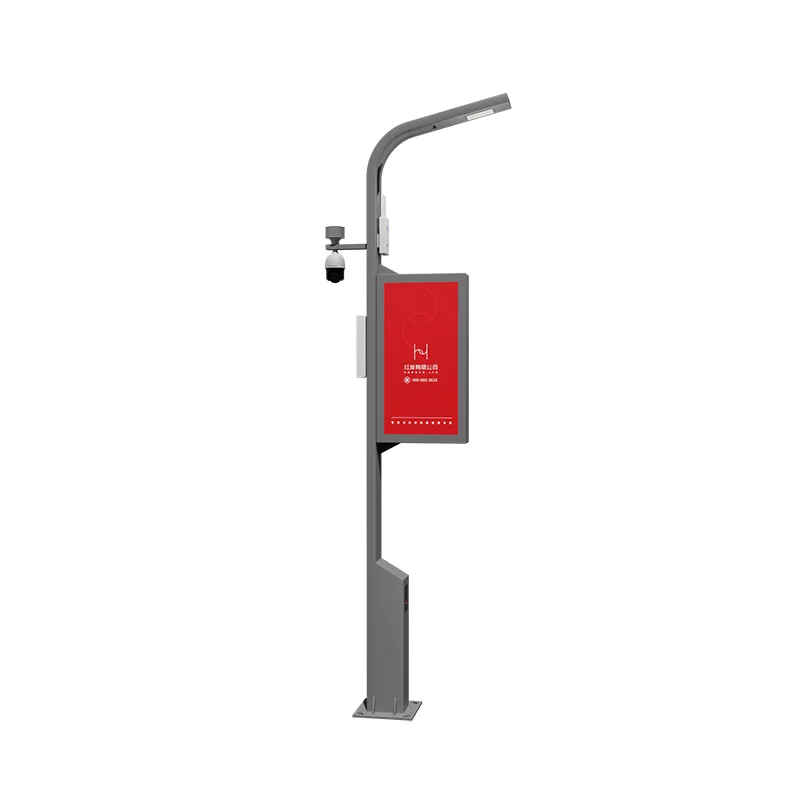
Multifunctional Smart Pole Platform with Edge Gateway Controller
Modular 4-12 m multifunctional smart pole integrating smart lighting, CCTV, 5G/small-cell mounting, environmental sensing, public WiFi, EV charging and digital signage, unified by REDCOAST.LTD's self-developed pole-top edge gateway controller.
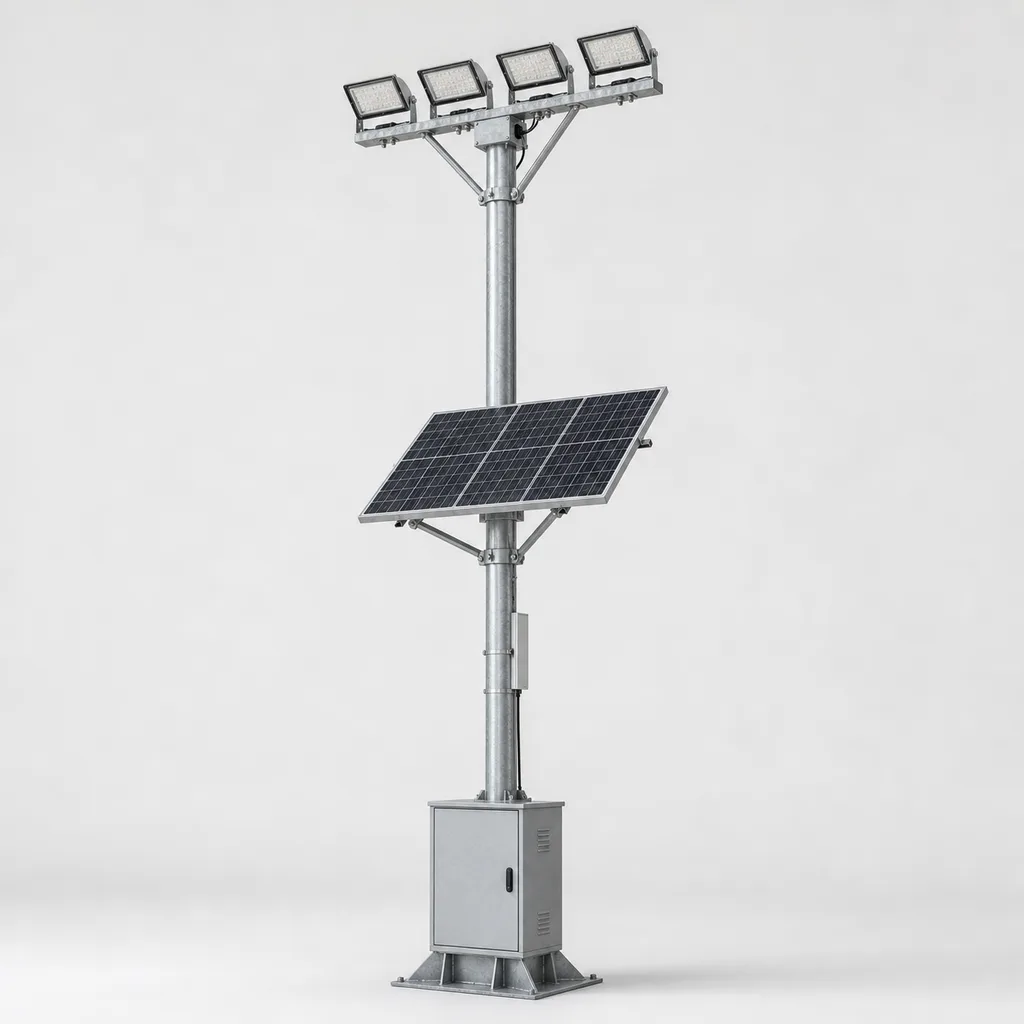
Off-Grid Solar Smart High-Mast & Area Flood Lighting System
Off-grid solar-powered high-mast and large-area flood lighting for ports, yards, parking lots, sports fields and squares, with REDCOAST.LTD in-house MPPT power-management PCB, smart dimming and remote CMS control.
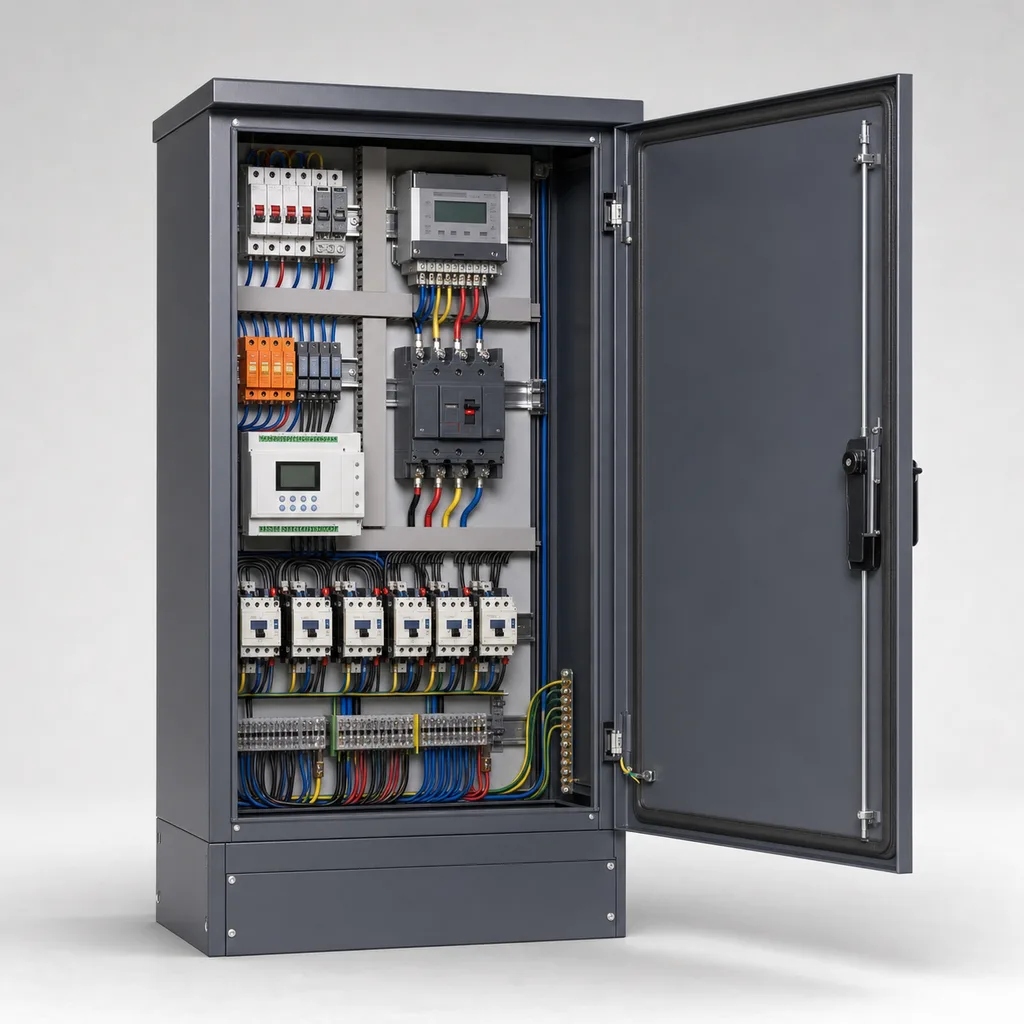
Smart Street Lighting Control Cabinet (CCMS Feeder Pillar)
Grid-powered cabinet-level street lighting controller (CCMS feeder pillar): group switching, Class 0.5S energy metering, remote fault and cable-theft monitoring over 4G/NB-IoT.
Next
Related guidance
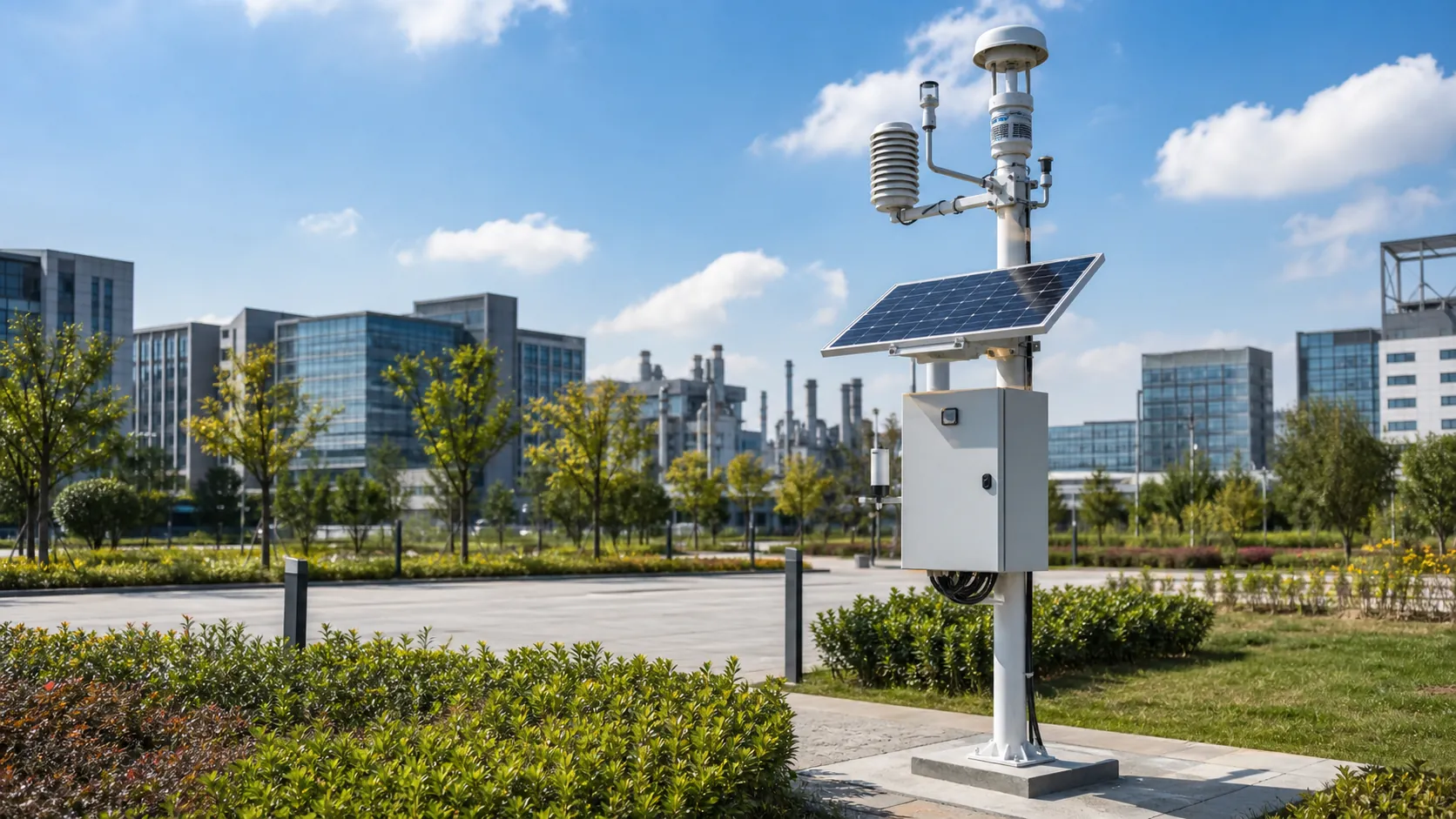
Environmental Monitoring
Deploy environmental monitoring stations with sensors, solar power, gateways, dashboards, alarms and data integration for city and industrial sites.
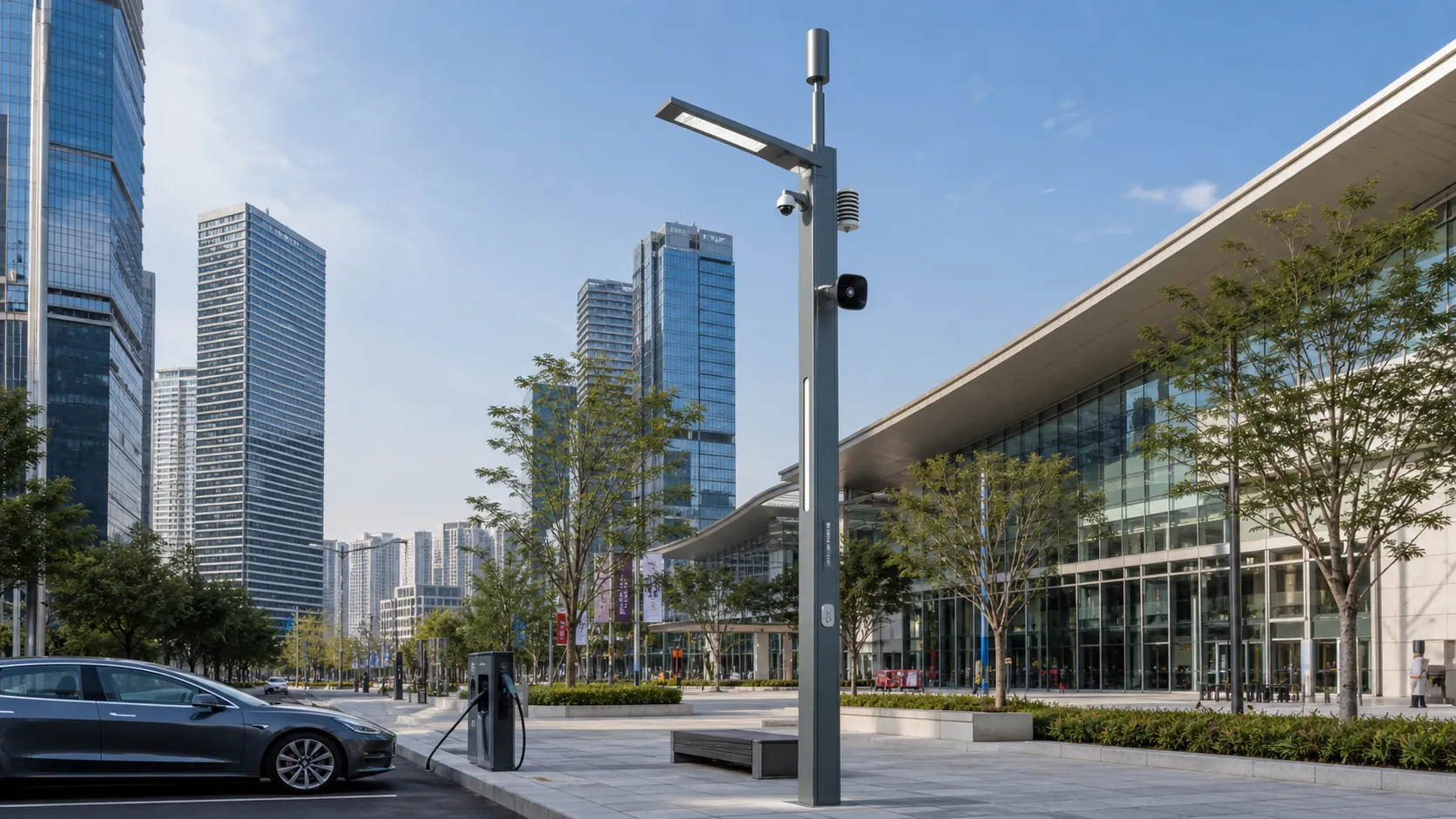
Smart Pole
Build smart pole infrastructure with lighting, cameras, environmental sensors, communication modules, public safety devices and a unified management platform.
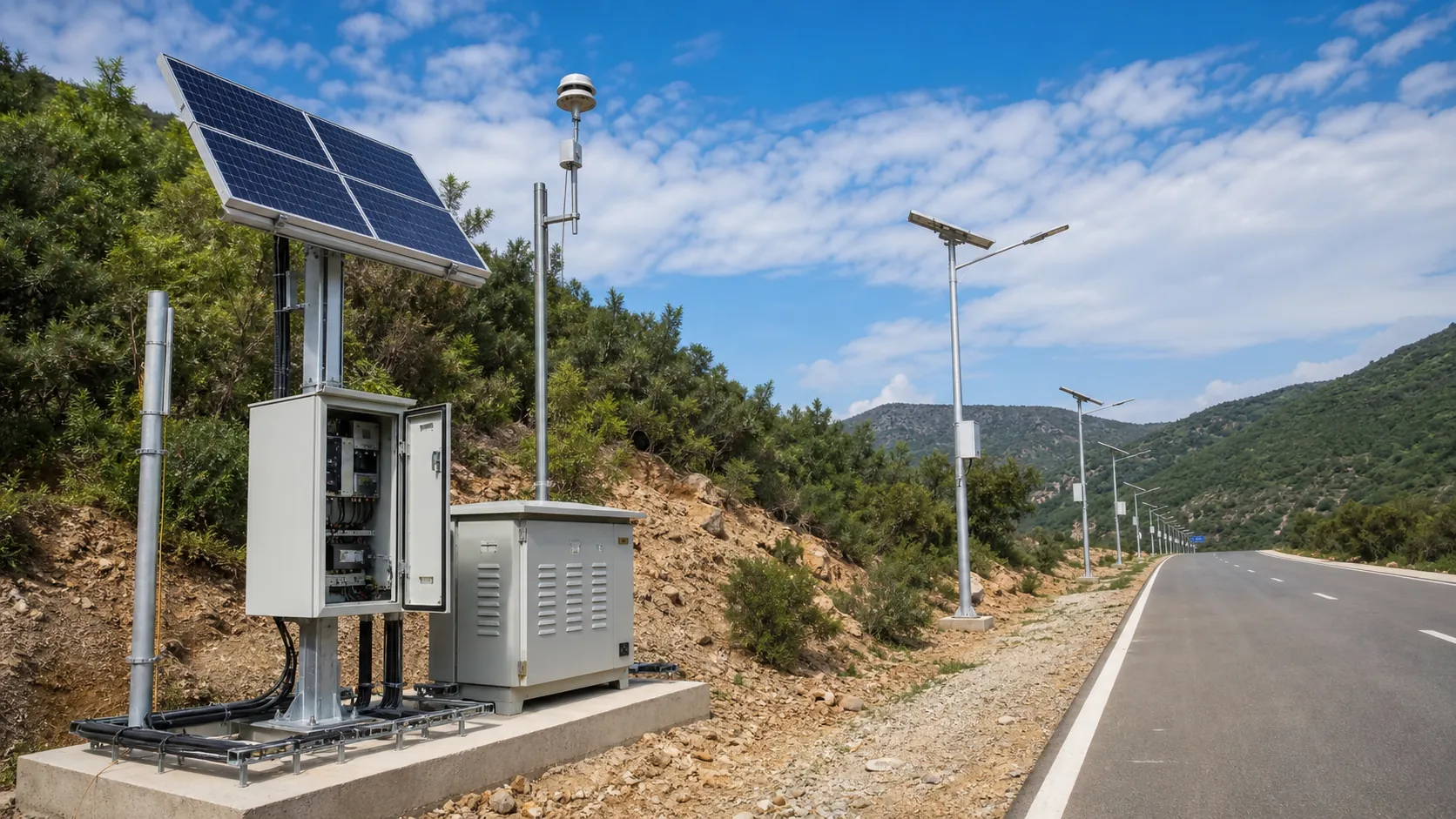
Solar Off-Grid IoT
Design solar-powered outdoor IoT systems with panels, batteries, controllers, low-power devices, gateways and remote power monitoring.
Frequently asked questions
What IoT systems are useful in an industrial park?
Useful systems often include lighting control, environmental monitoring, parking visibility, entrance devices, energy-related monitoring and mobile maintenance workflows.
Can tenants and park operators have different permissions?
Yes. The platform can be configured with separate roles for park owners, operators, contractors and selected tenant users.
How does an industrial park avoid sensor overload?
Start from operational decisions and reporting needs, then deploy only the sensors and device data that improve those decisions.
What makes industrial park IoT different from municipal IoT?
Industrial parks usually need stronger zone ownership, tenant permissions, rugged field devices and reports that support property operations and contractor evaluation.
How can an industrial park start small?
Start with one operational pain point such as lighting faults, environmental alerts, parking visibility or maintenance workflow, then expand using the same asset model.
Need this engineered for your project?
Tell us the site type, required devices, power and connectivity conditions. REDCOAST.LTD will respond with a tailored approach.