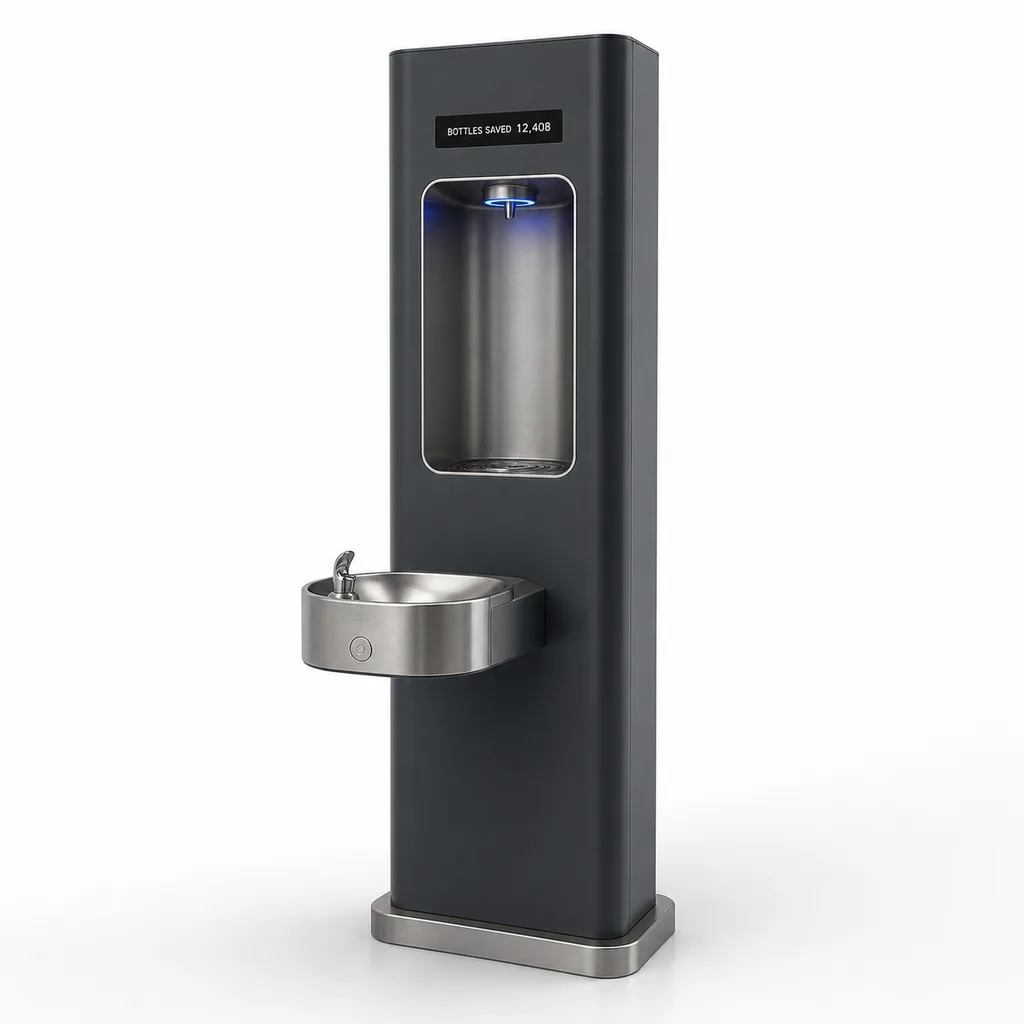
Overview
The RC-SWR-500 is a grid-powered, vandal-resistant outdoor drinking water refill station engineered for municipalities, park authorities, transit operators, campuses and venue managers who want to give the public free, safe, great-tasting drinking water while cutting single-use plastic bottle waste. It connects to the municipal potable water supply and mains power, treats water through a multi-stage filtration train with UV-C disinfection at the point of dispense, and serves it through a touchless bottle filler, an accessible drinking bulb and an optional pet bowl. Every station is a connected IoT node: an embedded controller designed by REDCOAST.LTD meters every litre dispensed, tracks filter and UV life, detects leaks and tampering, and reports live status and "plastic bottles saved" statistics to a cloud dashboard and mobile app. For city sustainability programs, the station turns hydration infrastructure into measurable, reportable environmental impact.
Key Features
- Multi-stage water treatment — 5 µm sediment pre-filter plus 0.5 µm carbon block (chlorine taste/odour, sediment, cyst reduction), with optional 0.01 µm ultrafiltration membrane and lead-reduction cartridge for older pipe networks.
- UV-C LED disinfection at the point of dispense — 275 nm UV-C LED array with real-time intensity monitoring on a self-developed driver PCB, delivering a validated dose to water as it is dispensed, not just in a storage tank.
- Touchless, hygienic dispensing — IR sensor-activated bottle filler with laminar, splash-free flow of 1.5–2.5 L/min, automatic shut-off, and antimicrobial-coated contact surfaces; no shared push buttons required.
- Optional integrated chiller — R290 natural-refrigerant compressor chiller delivering up to 30 L/h of cooled water for hot climates; ambient-only version available for temperate deployments.
- All-climate operation — thermostat-controlled freeze-protection heaters and automatic night-drain valve for winter cities; corrosion-resistant 316L stainless option for coastal and high-salinity environments.
- Full IoT telemetry — flow totalizer, filter/UV life countdown, leak and low-pressure detection, door/tamper alarms, water temperature and optional TDS monitoring over 4G LTE, NB-IoT or Ethernet.
- Public engagement display — LED "bottles saved" counter standard; optional 21.5-inch sunlight-readable signage screen for hydration maps, sponsor content or municipal messaging.
- Accessible by design — dual-height dispensing points and clear approach geometry support wheelchair users and children, aligned with ADA-style accessibility practice.
- Vandal-resistant construction — IK10-rated stainless steel body with smooth powder-coated or fluorocarbon-painted finish, concealed fasteners, and lockable service compartment.
Technical Architecture
The station is built around a self-developed main controller PCB that integrates dispensing logic, treatment supervision and IoT communications in one supervised system. Water enters through a backflow-prevention assembly and pressure regulator, passes the filtration train, and is held in a small food-grade manifold — there is no large open storage tank to stagnate. When the IR activation sensor detects a bottle or hand, the controller opens a low-power solenoid valve through its driver stage, energizes the UV-C LED array via a constant-current driver with photodiode feedback, and meters flow through a turbine flow sensor whose pulse output is conditioned on the same board. If UV intensity falls below the validated threshold, the controller closes the valve and flags the station for service rather than dispensing under-treated water — a fail-safe interlock implemented in hardware and firmware.
A second board manages thermal systems: compressor and fan control for the optional chiller, and thermostat-driven freeze-protection heaters with an automatic drain-down sequence for sub-zero nights. Leak sensors in the base pan, a door tamper switch, and an inlet pressure transducer feed the same controller. The IoT gateway section publishes telemetry over MQTT/HTTPS to the REDCOAST.LTD cloud platform, which aggregates fleet status, computes filter-replacement forecasts from actual throughput rather than fixed calendars, maps every station for public hydration-finder apps, and exports plastic-reduction and CO₂-avoidance reports for sustainability teams. Firmware updates are delivered over the air with signed images and rollback protection.
Connectivity & Power
The RC-SWR-500 is a mains-powered urban product: it is designed for parks, plazas, transit stations and streetscapes where grid power and municipal water are available, so it carries no solar array. A universal AC 100–240 V, 50/60 Hz input covers global grids; the ambient version draws under 60 W in operation, while the chilled version peaks around 600 W during compressor duty. Surge protection (Type 2 SPD) and a 30 mA RCD protect the electronics and the public. Connectivity is selected per project: 4G LTE Cat 1 with global band support is the default; NB-IoT suits telemetry-only fleets; wired Ethernet/PoE-powered communications suit stations inside campuses and terminals with structured cabling. All variants fall back to local autonomous operation if the network drops — dispensing never depends on connectivity.
Protection & Reliability
The enclosure is fabricated from 304 stainless steel (316L optional for coastal sites) with a smooth matte powder-coated or fluorocarbon-painted exterior over the corrosion-protected substrate, achieving IK10 impact resistance; the electronics compartment is sealed to IP55 while dispensing areas drain freely. The station operates from -30 °C (with winter package) to +55 °C ambient, and the treatment train uses lead-free, food-contact-safe wetted materials. UV-C LEDs are rated for 10,000 hours of cumulative on-time — years of service given per-dispense activation — and filters are hot-swappable cartridges replaced in minutes through the lockable service door. Design life of the structure exceeds 10 years, with a standard warranty oriented at 24 months and extended terms available for framework contracts.
Application Scenarios
- City parks and waterfronts — replace aging, unmonitored fountains with filtered, chilled, counted hydration points; usage data justifies expansion and maintenance budgets with hard numbers.
- Transit hubs and BRT/metro stations — give passengers a free alternative to vended bottled water; Ethernet or 4G telemetry slots into existing station SCADA and cleaning workflows.
- School and university campuses — dual-height, touchless stations promote healthy hydration; filter-life alerts ensure facilities teams never serve water through exhausted cartridges.
- Stadiums, arenas and event venues — high-flow filling banks reduce queueing and single-use plastic at events; the signage screen carries wayfinding and sponsor content between events.
- Tourist areas and pedestrian streets — hydration-finder map integration makes stations discoverable in visitor apps, while vandal-resistant construction and tamper alarms suit unattended public space.
- Hot-climate public realm — paired with shade structures or REDCOAST.LTD misting systems, chilled stations become part of municipal heat-mitigation programs.
Case-style Examples
Park-network plastic-reduction program. A parks authority deployed chilled stations across major parks, each with the LED bottles-saved counter and 4G telemetry. The dashboard showed per-station demand peaks on weekends, letting the operator schedule filter changes by actual litres dispensed; the first season's aggregated counter data — hundreds of thousands of refills — anchored the authority's public sustainability report.
Transit terminal hydration upgrade. A bus terminal operator specified ambient (non-chilled) indoor-canopy stations with Ethernet backhaul into the terminal network and ultrafiltration membranes due to an older supply main. Leak detection and door-tamper alerts were routed to the existing facilities ticketing system through the platform's REST API, so the stations joined the terminal's normal maintenance flow from day one.
Cold-climate campus deployment. A university in a freezing-winter region chose the winter package: freeze-protection heaters, automatic night drain-down and the -30 °C rated enclosure. Stations remained in service through winter without burst pipes, and the campus app surfaced live station locations and status from the cloud API.
Customization & Selection Guide
Choose ambient vs. chilled by climate and power budget: chilled models are recommended above ~30 °C summer ambients. Choose the treatment train by supply quality: standard sediment + carbon for well-maintained municipal networks; add ultrafiltration for older networks or intermittent supply; add lead-reduction cartridges where legacy plumbing is a concern. Select 316L stainless and marine coating within ~2 km of coastline. Pick connectivity by fleet model: 4G for scattered city stations, Ethernet for terminals and campuses, NB-IoT for large low-data fleets. Add the signage screen where sponsorship or public messaging funds the program, and the pet bowl and dual-height package for parks and family destinations. As the hardware is designed in-house — including the controller, UV driver and metering PCBs — REDCOAST.LTD can adapt dispensing logic, enclosure geometry, branding and platform integrations per project.
Deployment & After-sales
Each station needs a potable water connection (DN15/DN20), a drain, and a fused mains feed; the base bolts to a small concrete foundation with an anchor-bolt template supplied in advance, so site works and installation typically complete in one day per station. Factory-tested units ship pre-commissioned with SIMs or network profiles loaded; typical lead time runs in weeks depending on configuration and quantity. After-sales support includes remote diagnostics through the cloud platform, consumable kits (filters, UV modules) on scheduled or usage-triggered replenishment, spare-parts availability commitments, and engineering support for API integrations with city apps and asset-management systems.
Standards & Compliance
Designed toward CE (LVD IEC/EN 60335-1, EMC EN 61000-6-2/-6-3) and RoHS; wetted components specified lead-free per NSF/ANSI 372 practice, with filtration cartridges aligned to NSF/ANSI 42/53 performance classes and materials practice per NSF/ANSI 61; backflow prevention aligned to EN 1717; enclosure ratings verified per IEC 60529 (IP) and IEC 62262 (IK); accessibility geometry aligned to ADA-style dual-height guidance. Certification scope can be tailored to the destination market's drinking-water regulations on request.
Why REDCOAST.LTD
REDCOAST.LTD delivers end-to-end smart-city solutions — hardware, web management platform and mobile app from one engineering team. Unlike integrators assembling off-the-shelf parts, REDCOAST.LTD designs its own electronics, including the station's main controller, UV-C driver with intensity feedback, flow-metering signal conditioning and thermal-management PCBs, so dispensing behaviour, safety interlocks, enclosure design and cloud features can all be tailored to your specification rather than limited by a catalogue. The same platform already manages REDCOAST.LTD lighting, environmental and public-space products, letting cities run refill stations alongside their wider smart-city estate.
Planning a public hydration or plastic-reduction program? Contact REDCOAST.LTD for a customized station configuration, platform demo and project quotation.
Specifications
Water Treatment & Dispensing
- Filtration Stages
- 5 µm sediment PP + 0.5 µm carbon block; optional 0.01 µm ultrafiltration + lead-reduction cartridge
- UV-C Disinfection
- 275 nm UV-C LED array at point of dispense, intensity-monitored, ≥40 mJ/cm² dose
- UV-C LED Lifetime
- 10,000 h
- Bottle Filler Flow Rate
- 1.5–2.5 L/min
- Activation
- Touchless IR sensor, auto shut-off (timeout 60 s)
- Dispensing Points
- Bottle filler + accessible drinking bulb; optional pet bowl
- Inlet Pressure Range
- 0.15–0.6 (regulator included) MPa
- Water Connection
- DN15 / DN20 potable supply, EN 1717-aligned backflow prevention
Chilling & Freeze Protection
- Chiller Type (optional)
- R290 compressor, direct-chill
- Chilled Water Output
- up to 30 L/h
- Chilled Water Temperature
- 6–12 (adjustable) °C
- Freeze Protection (winter package)
- Thermostat-controlled heaters 150–300 W + automatic drain-down valve
- Low-Temperature Operation
- down to -30 (with winter package) °C
Power (Grid)
- Input Voltage
- AC 100–240, 50/60 Hz V
- Power Consumption (ambient version)
- ≤60 W
- Power Consumption (chilled version, peak)
- ≤600 W
- Standby Consumption
- ≤8 W
- Electrical Protection
- 30 mA RCD + Type 2 SPD + MCB
Connectivity & Smart Monitoring
- Communications
- 4G LTE Cat 1 (global bands) / NB-IoT / Ethernet 10/100
- Protocols
- MQTT, HTTPS/REST API; OTA firmware with signed images
- Metering
- Turbine flow sensor, ±2% totalized volume, bottles-saved counter
- Consumable Tracking
- Filter & UV life by actual throughput, replacement forecasting
- Alarms
- Leak, low inlet pressure, UV intensity fault, door tamper, freeze risk
- Optional Water Quality Sensors
- TDS, water temperature; free-chlorine option
- Platform
- Web fleet dashboard + mobile app + public hydration-map API
Enclosure & Mechanical
- Body Material
- 304 stainless steel (316L optional for coastal sites)
- Surface Finish
- Smooth matte powder coat or fluorocarbon paint over corrosion-protected substrate
- Impact Rating
- IK10 (vandal-resistant)
- Electronics Compartment Ingress Protection
- IP55
- Dimensions (H × W × D)
- 1500 × 450 × 400 (typical, project-configurable) mm
- Weight
- 85–120 (by configuration) kg
- Mounting
- Anchor-bolted to concrete foundation; lockable service door
- Accessibility
- Dual-height dispensing, wheelchair-accessible approach
Display & User Interface
- Standard Indicator
- LED bottles-saved counter + status ring light
- Optional Signage Screen
- 21.5-inch sunlight-readable IPS, 1500 cd/m², tempered anti-vandal glass
- Content Management
- Remote CMS scheduling via cloud platform
- User Guidance
- Multi-language pictogram panel, customizable branding wrap
Environment & Reliability
- Operating Temperature
- -30 to +55 (winter package for sub-zero sites) °C
- Humidity
- 5–95, non-condensing internals %RH
- Corrosion Protection
- Marine-grade option for coastal/high-salinity environments
- Structure Design Life
- >10 years
- Warranty Orientation
- 24 months standard, extension available for framework contracts
Capabilities — configurable per project
Specifications are tailored to each project — the options below show what we can support.
Water Temperature
- Ambient only
- Chilled (R290 compressor)
- Chilled + winter freeze-protection package
Treatment Train
- Sediment + carbon block
- Sediment + carbon + ultrafiltration
- Lead-reduction cartridge add-on
- TDS/chlorine sensing add-on
Connectivity
- 4G LTE Cat 1
- NB-IoT
- Ethernet 10/100
Engagement & Display
- LED bottles-saved counter
- 21.5" signage screen with CMS
- Custom branding wrap
Site Package
- Standard urban
- Coastal 316L + marine coating
- Cold-climate winter package
- Pet bowl + dual-height family package
Related solution guidance
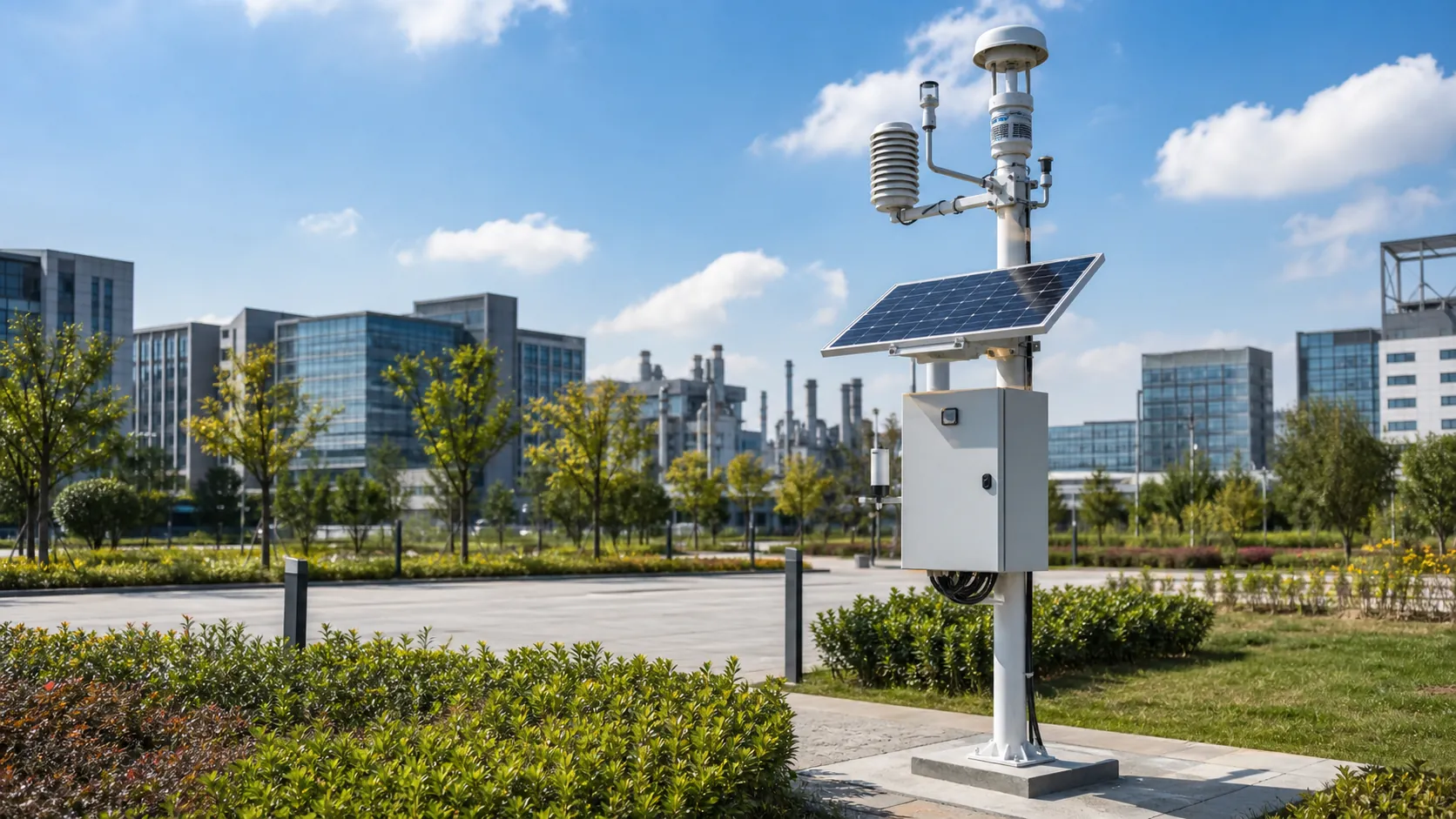
Environmental Monitoring
Deploy environmental monitoring stations with sensors, solar power, gateways, dashboards, alarms and data integration for city and industrial sites.
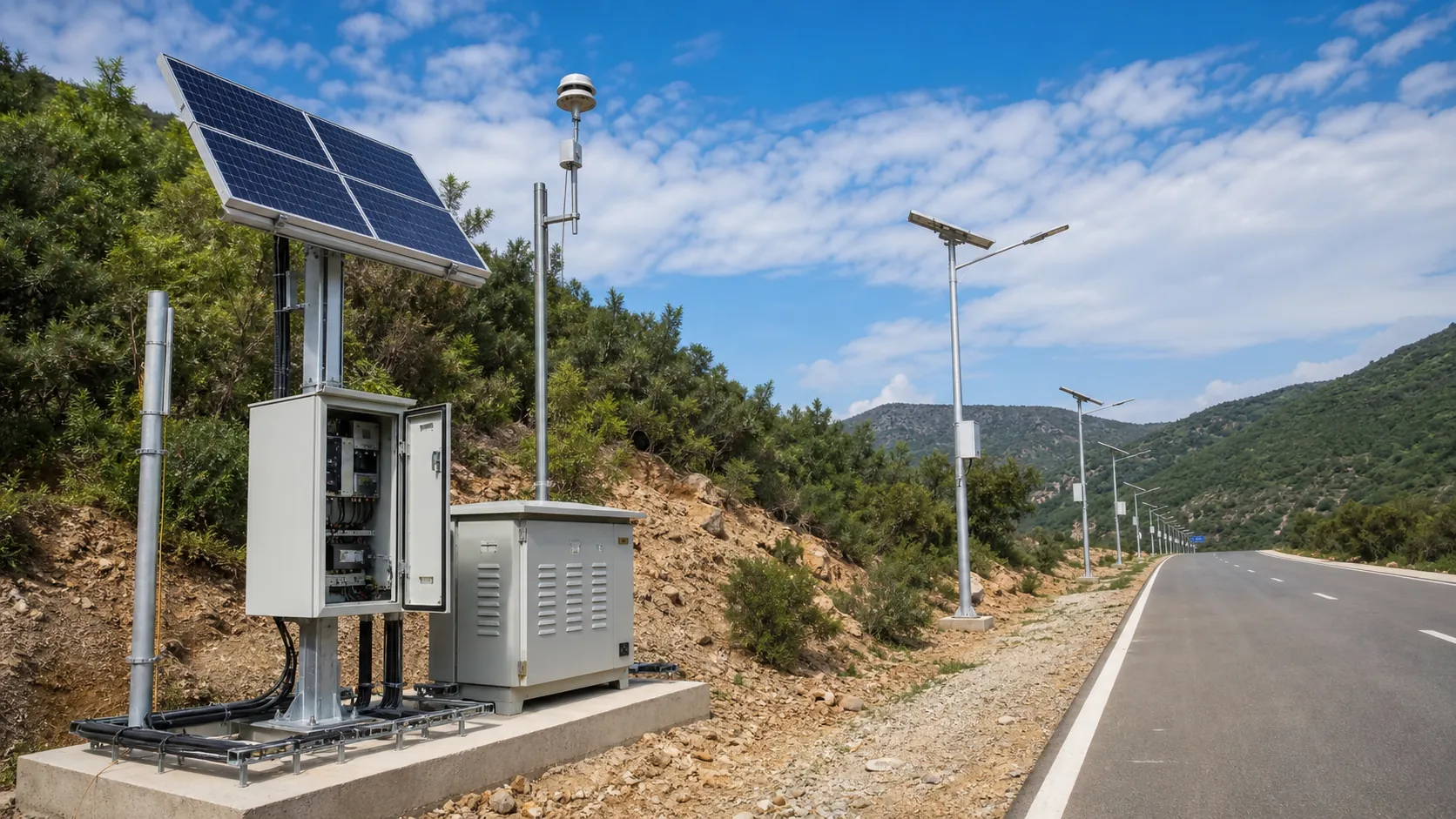
Power and Connectivity
How to choose power, battery, solar, NB-IoT, LTE, LoRaWAN, gateways and monitoring strategy for outdoor IoT infrastructure.
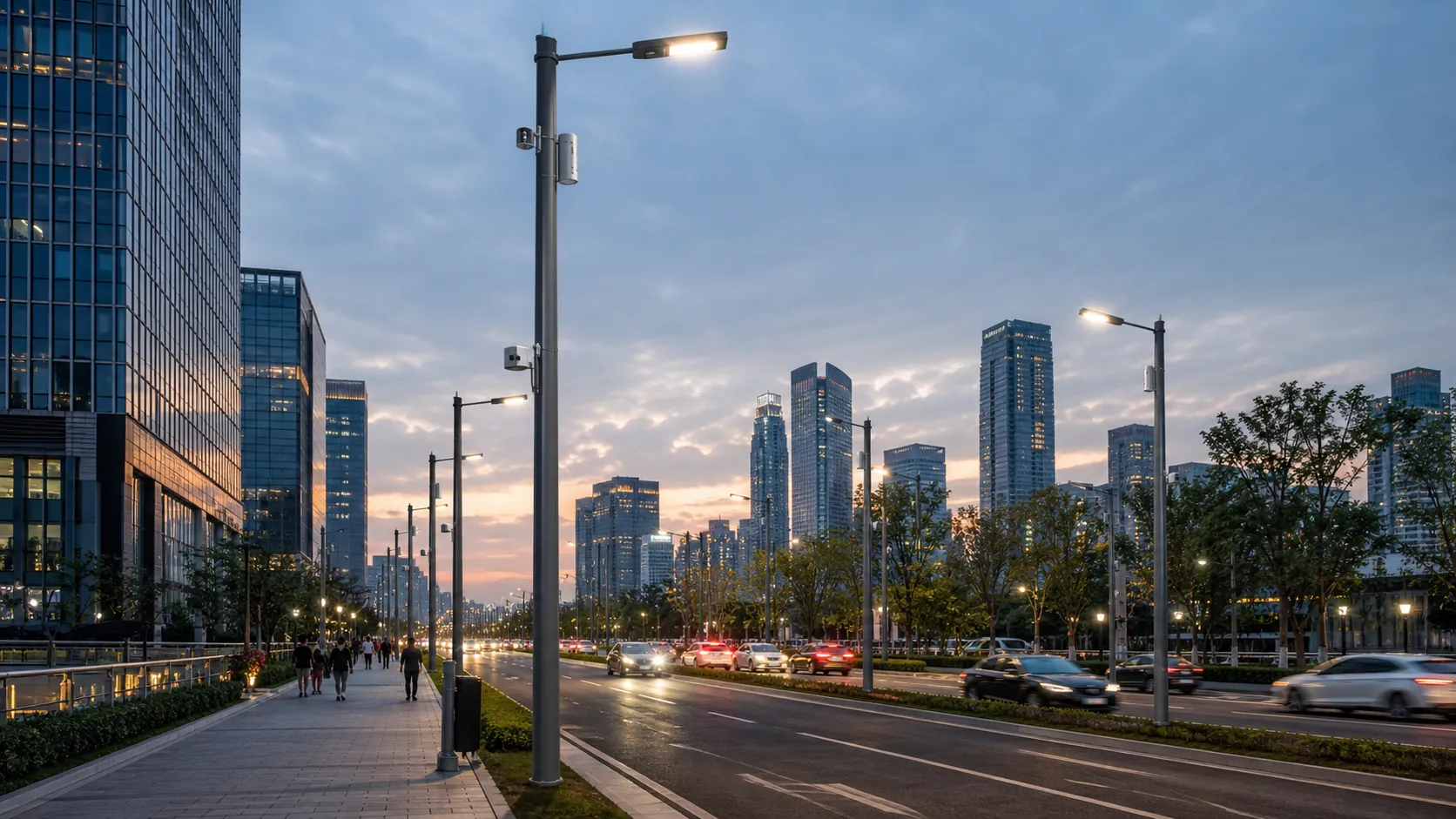
Municipalities
Municipal smart city programs for lighting, traffic safety, parking, smart poles and environmental monitoring with one hardware and software partner.
Frequently Asked Questions
How does a smart outdoor water refill station keep the water safe to drink?
The RC-SWR-500 treats municipal water through a 5 µm sediment filter and a 0.5 µm carbon block, with optional ultrafiltration for older networks, then disinfects it with a 275 nm UV-C LED array at the point of dispense. The UV driver monitors lamp intensity in real time and the controller blocks dispensing if the validated dose cannot be delivered. Backflow prevention aligned to EN 1717 and lead-free wetted materials protect the supply and the user.
What utilities does the station need on site?
It needs three connections: a DN15/DN20 potable water supply, a drain, and a fused mains power feed (AC 100–240 V, 50/60 Hz). The ambient version draws under 60 W; the chilled version peaks around 600 W. Because it is designed for parks, plazas and transit sites with grid power, it does not use solar panels.
Can it operate in freezing winters or hot coastal climates?
Yes. The winter package adds thermostat-controlled heaters and an automatic drain-down sequence for operation down to about -30 °C, while the chilled version delivers 6–12 °C water in ambients up to +55 °C. For coastal sites, a 316L stainless body with marine-grade coating resists salt corrosion.
What data does the IoT monitoring provide to the operator?
Each station reports totalized litres dispensed and a bottles-saved counter, filter and UV life computed from actual throughput, leak and low-pressure alarms, door tamper events, water temperature and optional TDS readings. Data flows over 4G, NB-IoT or Ethernet to a web dashboard and mobile app, with a REST API for city apps and maintenance ticketing systems.
How does the station help a city's plastic-reduction and sustainability reporting?
The flow meter converts every dispense into an equivalent count of avoided single-use bottles, displayed on the station's LED counter and aggregated fleet-wide on the cloud platform. Operators can export refill volumes, bottle-displacement counts and estimated CO₂ avoidance per station, district or program period for sustainability reports.
How often do the filters and UV module need replacing?
Replacement is driven by measured throughput rather than a fixed calendar: carbon cartridges are typically rated for thousands of litres and the UV-C LEDs for 10,000 hours of cumulative on-time, which usually means years of service since they only run during dispensing. The platform forecasts replacement dates per station and can trigger consumable shipments automatically.
Is the station accessible for wheelchair users and children?
Yes. The standard configuration offers dual-height dispensing points with clear-approach geometry aligned to ADA-style accessibility practice, touchless IR activation that requires no gripping or force, and an optional low-level pet bowl for parks and family destinations.
Can REDCOAST.LTD customize the station for our project?
Yes. REDCOAST.LTD designs the station's controller, UV-C driver, metering and thermal-management PCBs in-house, so dispensing logic, safety interlocks, enclosure dimensions, branding, signage content and platform integrations can all be adapted per project — from single-park pilots to city-wide fleets under framework contracts.