Environmental monitoring is valuable when sensor data is reliable, explainable and connected to an operating process. REDCOAST.LTD designs station hardware, power, connectivity and dashboards together.
Environmental monitoring decision matrix
| Decision factor | Recommended approach | Buyer risk to avoid |
|---|---|---|
| Measurement objective | Choose sensors by the operational decision they support, such as air quality alerts, weather trend or site comparison. | Deploying many sensors without a decision model creates data noise and weak maintenance ownership. |
| Calibration and siting | Define sensor position, inlet protection, cleaning interval and calibration responsibility before installation. | Poor siting or unmanaged calibration makes dashboards look precise while data quality drifts. |
| Data quality visibility | Show sensor status, last calibration, missing data and abnormal readings alongside normal values. | Operators may treat sensor fault data as environmental change unless quality flags are visible. |
Sensor stack selection
The right station depends on what the operator needs to measure, how often it must report and how the data will be used.
- Air quality, weather, noise, water or custom sensor modules selected for the site objective.
- Calibration, enclosure, inlet position and maintenance access considered before installation.
- Sampling interval and upload frequency balanced against power and data requirements.
Data visibility
Environmental data should be understandable to both technical teams and decision makers.
- Dashboards for real-time readings, trends, thresholds, site comparison and alarm history.
- Export and API options for reporting, command centers or third-party analytics.
- Data quality indicators to separate sensor issues from real environmental changes.
Outdoor reliability
Monitoring stations often live in exposed locations, so power, mounting and service planning determine long-term usefulness.
- Grid or solar power designed around reporting frequency and sensor load.
- Enclosure, pole, cable and grounding choices matched to weather and site access.
- Maintenance workflow for inspection, cleaning, calibration and replacement records.
Checklist
Planning checkpoints
Define which metrics are operationally useful before choosing sensors.
Plan calibration and maintenance responsibility from the start.
Make data exports and alarm rules part of acceptance testing.
Check power and connectivity at each monitoring location.
Standards
Standards and interface notes
- Measurement requirements should be aligned with local environmental reporting rules if the data will be used for compliance.
- Sensor modules need documented calibration, cleaning and replacement intervals.
- Outdoor enclosure, pole mounting, grounding and power design should match the site exposure.
- Data retention, export format and alarm thresholds should be agreed before pilot acceptance.
Procurement
Commercial questions to settle
- Which readings will change an operating decision or public report?
- Who owns calibration and cleaning after deployment?
- Is the data for internal monitoring or formal regulatory reporting?
- How often must data be exported or integrated with other systems?
Acceptance
Evidence buyers should request
| Acceptance test | Pass criteria | Evidence |
|---|---|---|
| Baseline comparison | Pilot readings are compared against a reference device, manual reading or accepted baseline method where available. | Comparison sheet and calibration record. |
| Data completeness | The platform records the agreed percentage of expected samples during the test period. | Exported time series and missing-data report. |
| Alarm and report workflow | Threshold events create alarms and summary reports by site, metric and time period. | Alarm history and PDF or CSV report. |
Related Products
Product capabilities for this page
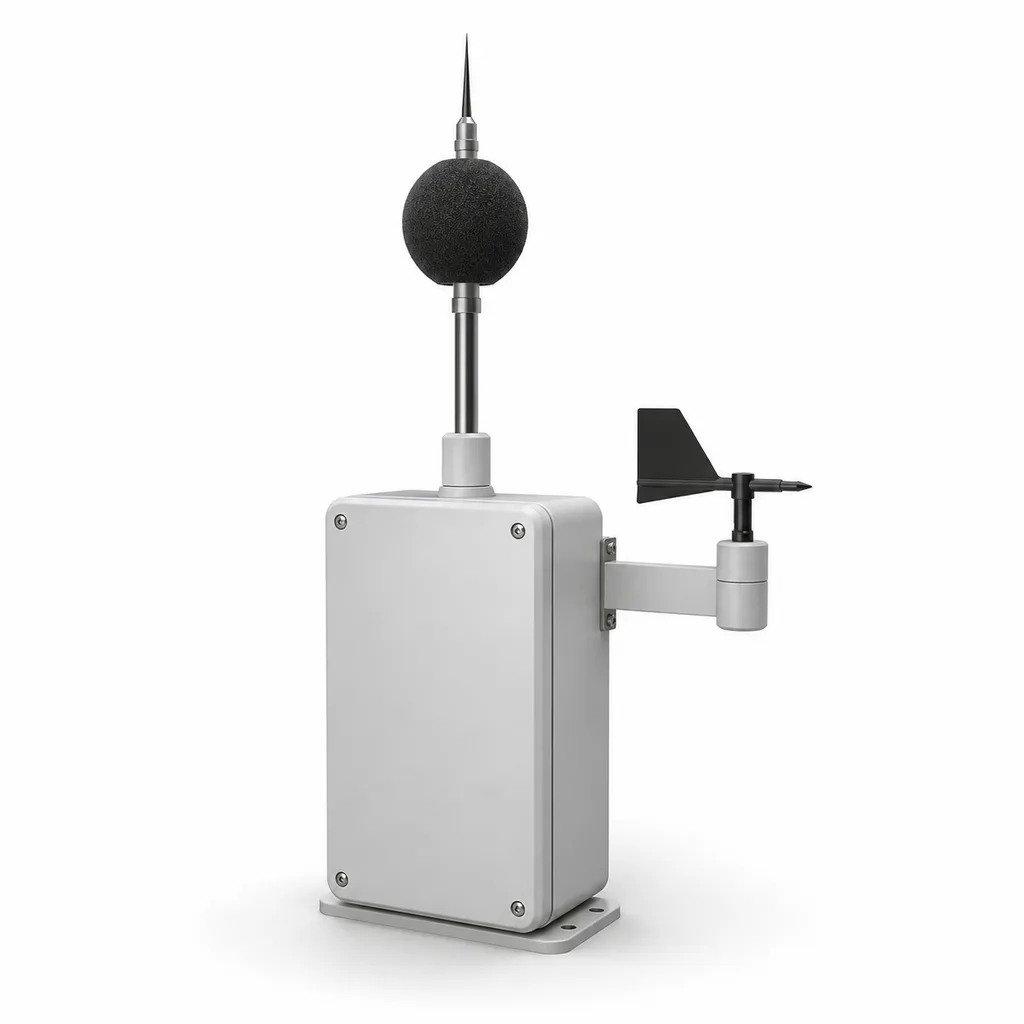
Class 1 Permanent Environmental Noise & Vibration Monitoring Terminal
Grid-powered, unattended Class 1 (IEC 61672) outdoor noise monitoring terminal with 1/3-octave analysis, edge-AI sound-source classification, weather sensors and optional triaxial vibration for airports, construction sites and industrial parks.
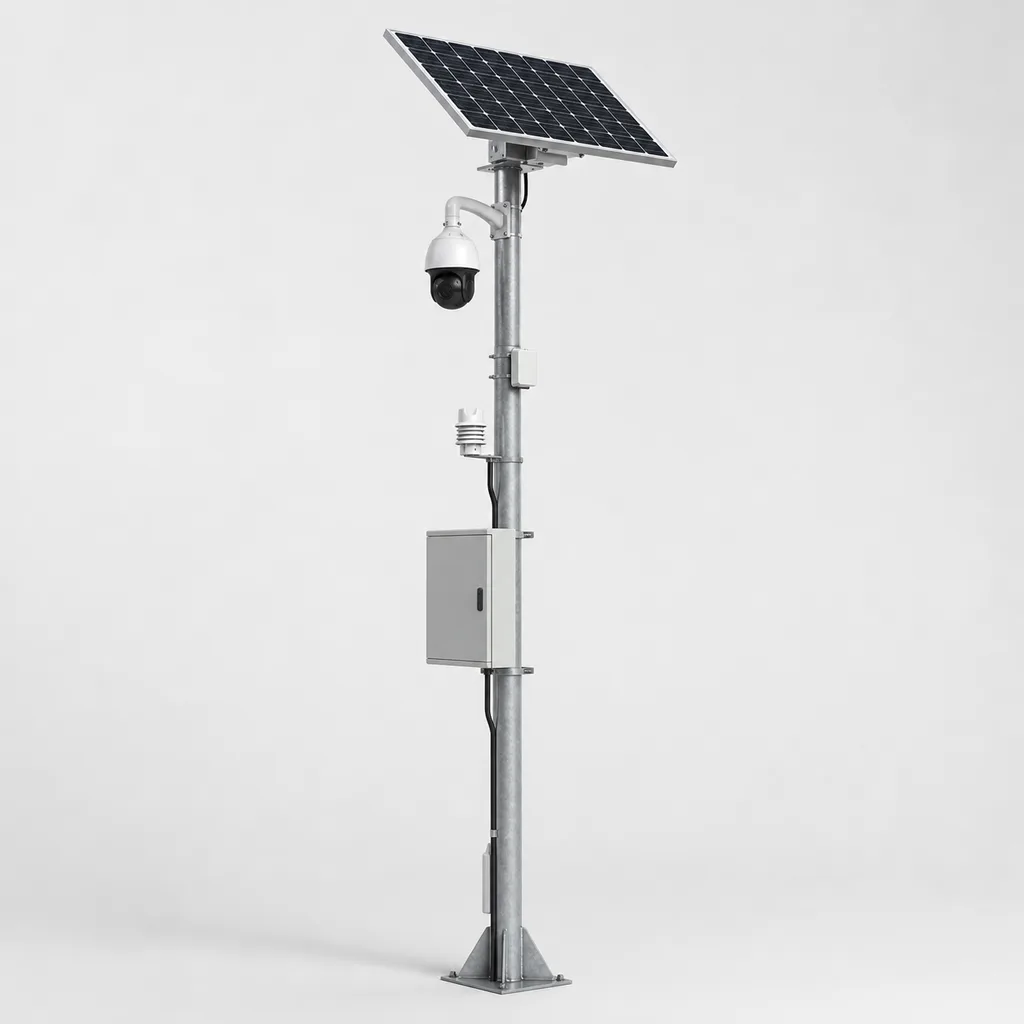
Off-Grid Solar Surveillance & Telemetry Station
Off-grid solar station pairing an AI PTZ or fixed camera with optional weather, water-level, tilt and energy telemetry, LiFePO4 storage, 4G/5G or satellite backhaul, and a Web platform and mobile app for remote pipelines, mines and yards.
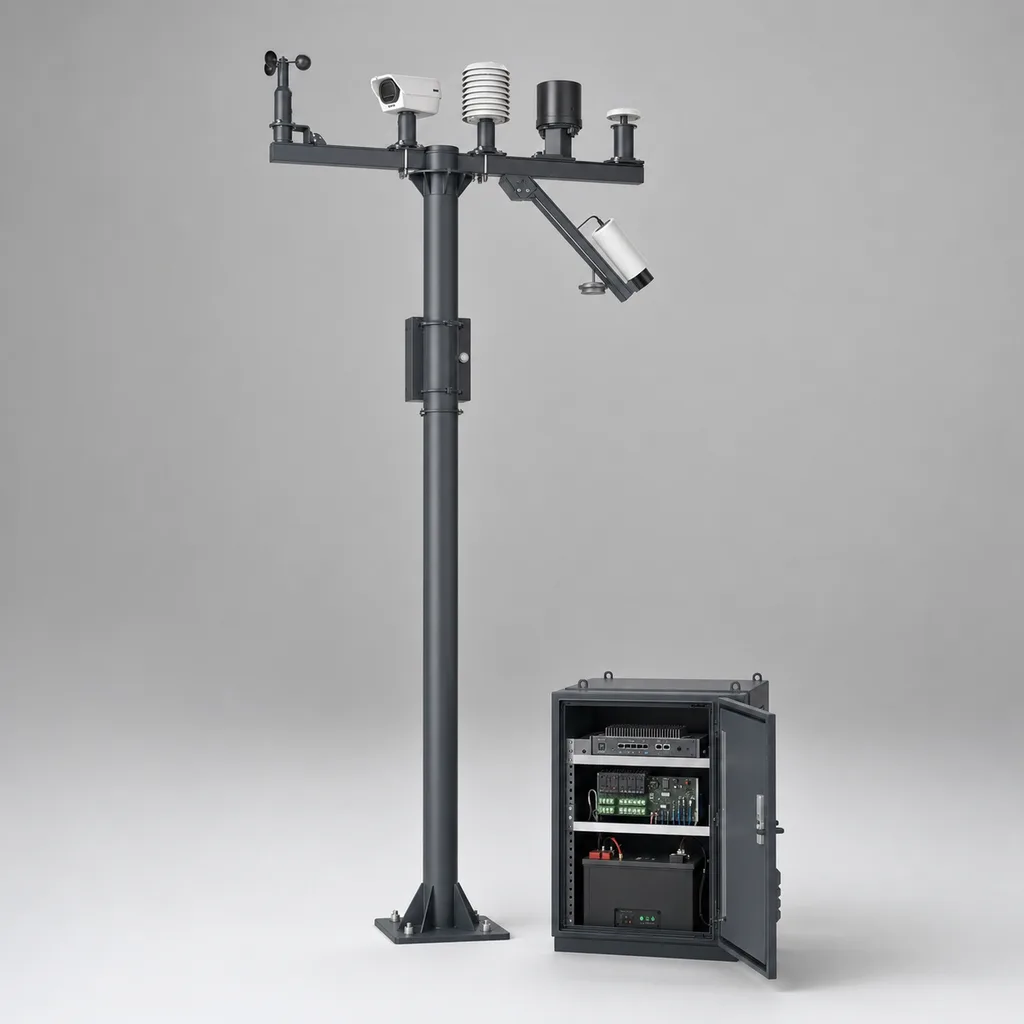
Grid-Powered Road Weather Information System (RWIS) — Pavement, Visibility, Wind & Friction Monitoring for Highways, Bridges and Airports
Grid-powered NTCIP 1204 RWIS station with in-pavement and non-invasive pavement sensors, visibility, sonic wind and friction monitoring, edge fusion gateway, cloud and mobile app — engineered by REDCOAST.LTD with self-developed signal-conditioning PCBs.
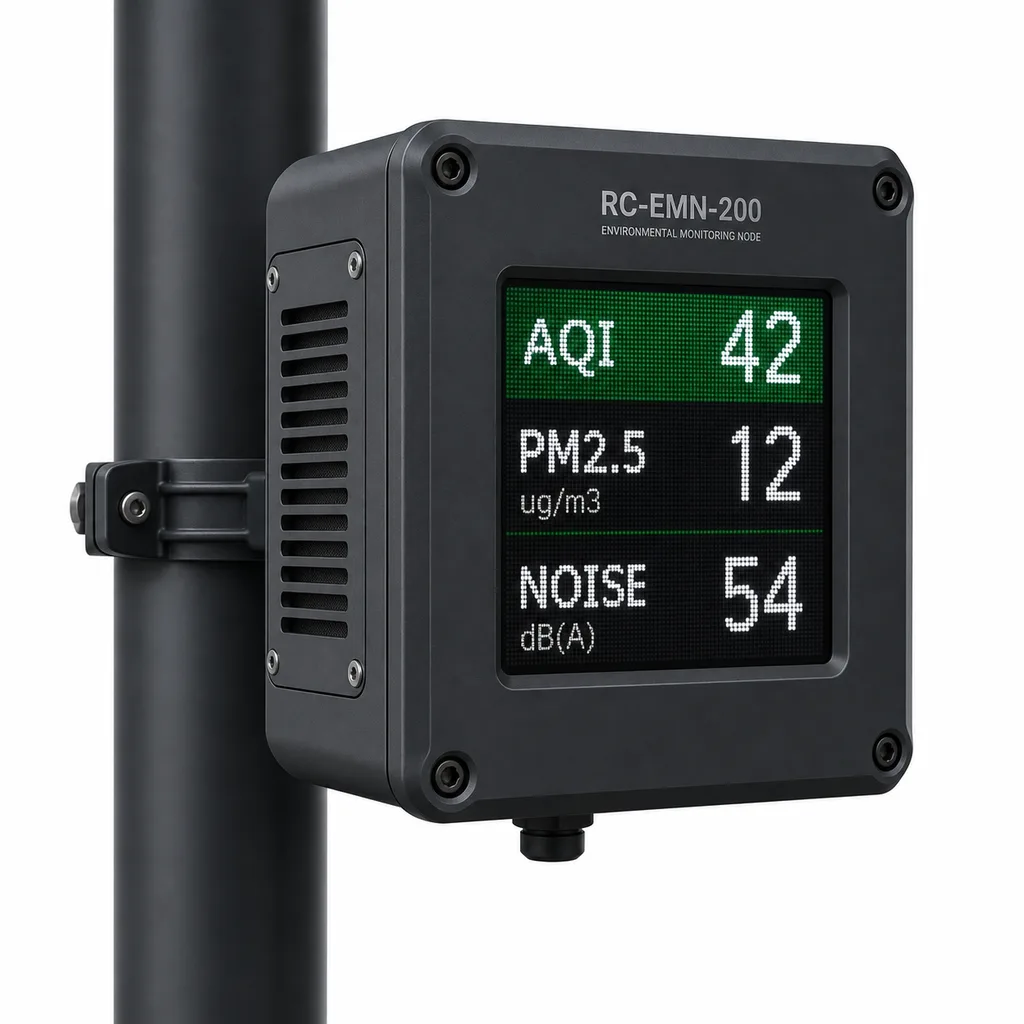
Grid-Powered Urban Multi-Parameter Environmental Monitoring & Public Display Node
Mains-powered pole-mounted sensor node measuring PM2.5/PM10, NO2/O3/CO, noise dB(A) and microclimate in real time—with a built-in outdoor LED display panel for public AQI transparency and FIWARE NGSI-LD push to city platforms.
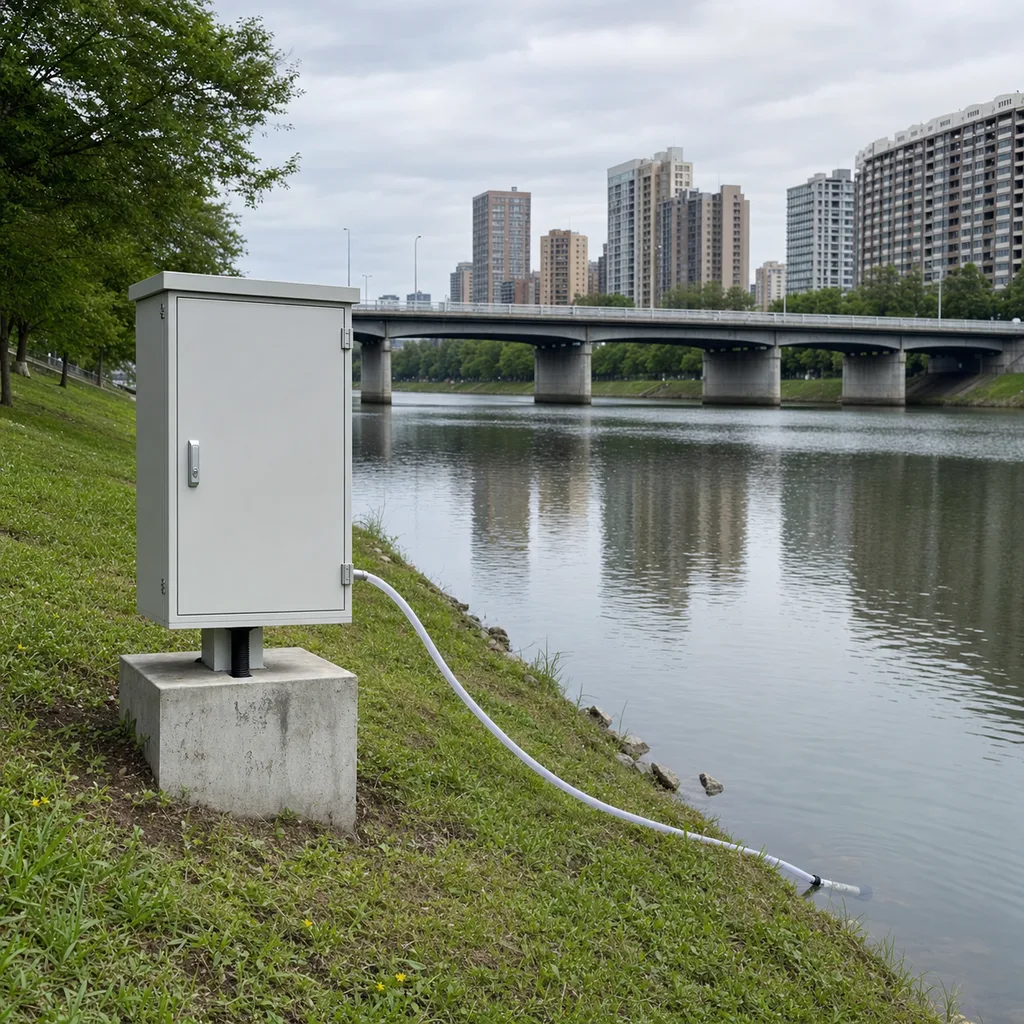
Grid-Powered Online Water Quality Monitoring Micro-Station for Rivers, Reservoirs & Outfalls
Cabinet-type multi-parameter water quality monitoring micro-station (pH, DO, conductivity, turbidity, ammonia, COD) with self-cleaning flow cell, edge IoT gateway and cloud platform, mains-powered for urban riverside deployment.
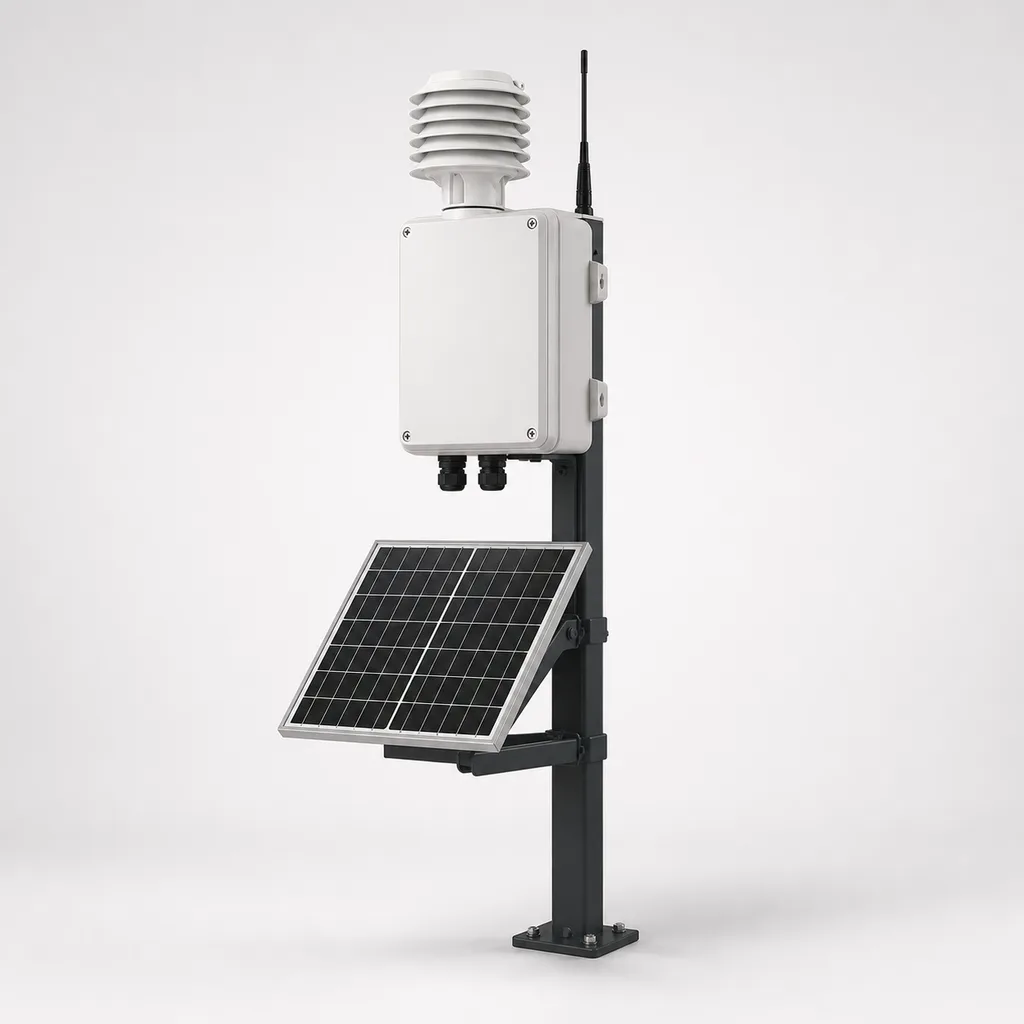
Off-Grid Solar Air Quality Monitoring Station
Off-grid solar air quality monitoring station for PM1/PM2.5/PM10, NO2, O3, CO, SO2 and VOC, with 4G, NB-IoT or LoRaWAN links, a Web dashboard, REST API and mobile app, and REDCOAST.LTD in-house hardware for project-specific sensor sets.
Next
Related guidance
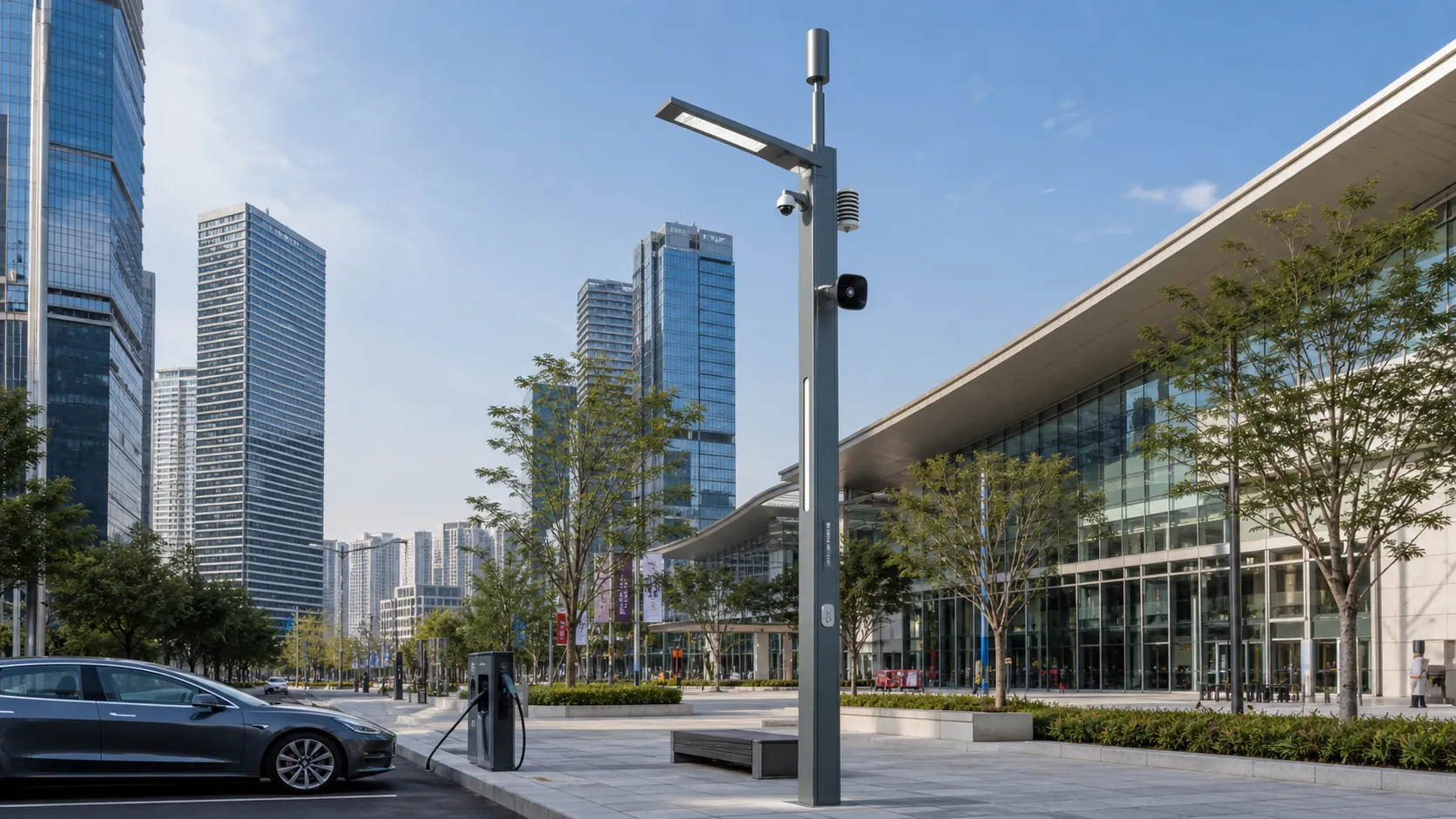
Smart Pole
Build smart pole infrastructure with lighting, cameras, environmental sensors, communication modules, public safety devices and a unified management platform.

Industrial Parks
Industrial park IoT for lighting, access areas, environmental monitoring, energy visibility, parking and maintenance operations.
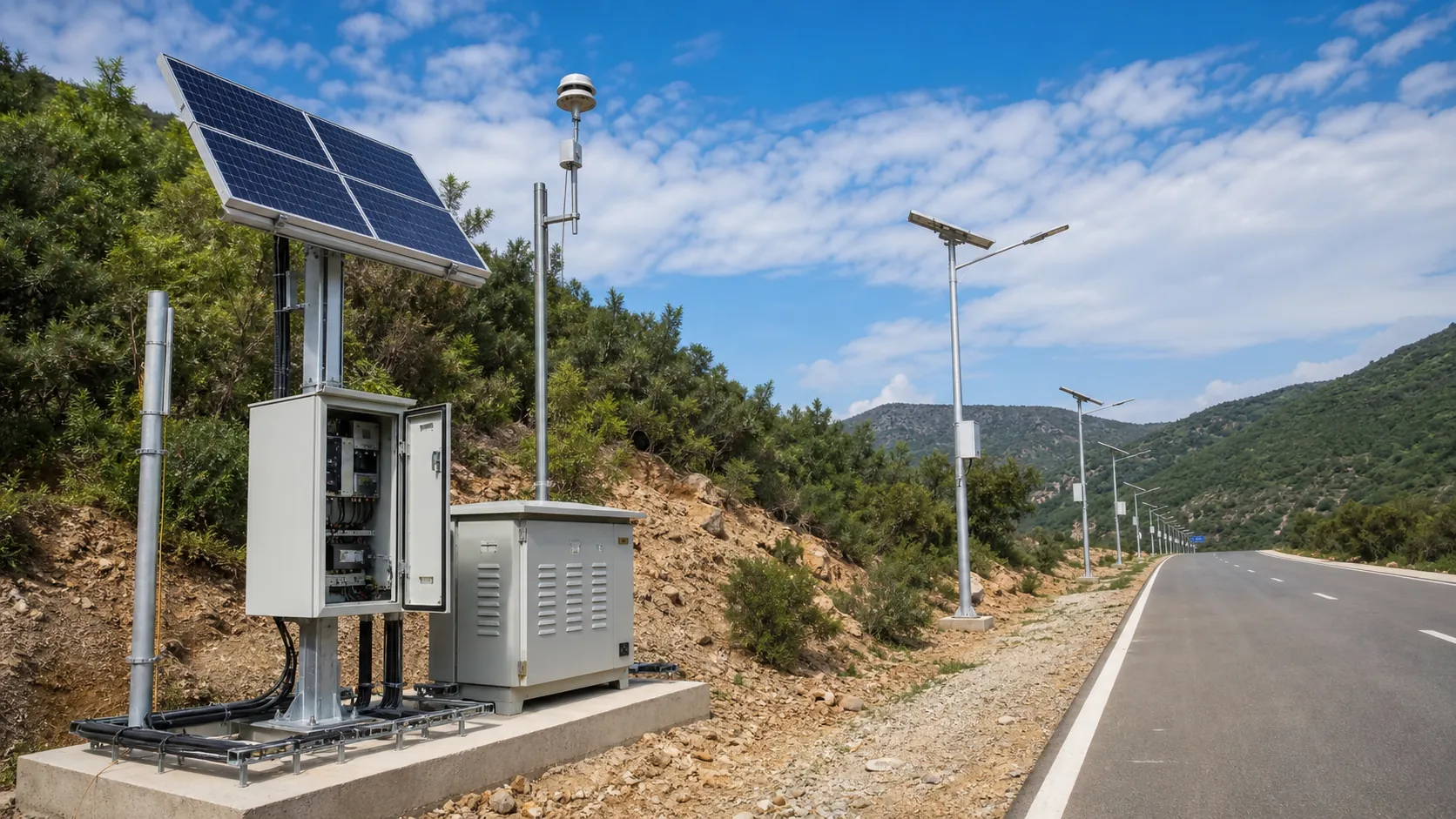
Power and Connectivity
How to choose power, battery, solar, NB-IoT, LTE, LoRaWAN, gateways and monitoring strategy for outdoor IoT infrastructure.
Frequently asked questions
What can an environmental monitoring station measure?
Depending on selected modules, a station can measure air quality, weather, noise, water-related indicators or other project-specific environmental data.
Can monitoring stations run on solar power?
Yes, if the sensor load, reporting interval, battery autonomy and local sunlight are planned together with the enclosure and mounting design.
How should environmental data be used by operators?
Operators should use dashboards, thresholds, alarm history and reports to identify abnormal trends, maintenance issues and site-level differences.
How can buyers judge environmental sensor data quality?
Ask for calibration process, sensor placement guidance, data completeness reports, fault flags and comparison against a reference or baseline during pilot testing.
Should environmental monitoring use grid or solar power?
Use grid power where stable supply and service access exist. Use solar when cabling is costly or remote, after sizing load, autonomy and telemetry.
Need this engineered for your project?
Tell us the site type, required devices, power and connectivity conditions. REDCOAST.LTD will respond with a tailored approach.