Municipal projects need accountable infrastructure, not isolated gadgets. REDCOAST.LTD supports city teams with hardware, platform, mobile workflow and integration planning across outdoor IoT scenarios.
Municipal IoT decision matrix
| Decision factor | Recommended approach | Buyer risk to avoid |
|---|---|---|
| Governance model | Define asset owner, platform owner, maintenance team and data user before selecting devices. | City projects stall when each department buys devices but nobody owns cross-system operations. |
| Pilot scope | Choose a pilot zone with real lighting, traffic, parking or monitoring complexity. | A too-easy pilot proves installation but not citywide operations. |
| Data portability | Require exportable asset data, APIs and documented handover responsibilities. | Closed data models make future expansion and supplier changes expensive. |
A city-level operating model
Municipal IoT works best when each project shares asset data, permissions, alarms and maintenance records across departments.
- Lighting, traffic safety, parking, poles and monitoring can share one platform model.
- Department-level permissions keep operations clear without duplicating infrastructure.
- Dashboards and exports help decision makers see coverage, faults and service quality.
Procurement without lock-in
Cities should ask suppliers to explain interfaces, data ownership and maintenance workflow before device pricing becomes the only discussion.
- Open protocol planning for future devices and third-party city systems.
- Clear scope between device vendor, contractor, operator and platform owner.
- Acceptance tests based on operating outcomes, not only installation counts.
Pilot to rollout
The pilot should prove coverage, usability, service workflow and data quality so rollout decisions are based on evidence.
- Choose pilot zones that include real complexity: weak signal, outdoor exposure and maintenance access.
- Measure alarm quality, dashboard clarity and response workflow.
- Keep rollout standards documented so future districts do not restart the design process.
Checklist
Planning checkpoints
Create one asset naming and location model across city IoT projects.
Include maintenance contractors in platform permission planning.
Ask for API and export options before procurement is finalized.
Use pilot data to set rollout standards.
Standards
Standards and interface notes
- Procurement should define data ownership, retention, export format and operator permissions.
- Public safety, camera, network or environmental data may require local approval and privacy review.
- Acceptance should include operating workflows, not only installed device count.
- Interoperability requirements should be written before the city expands beyond the first pilot.
Procurement
Commercial questions to settle
- Which department funds the project and which department operates it?
- What data must remain under city ownership?
- Which systems need integration in phase one and phase two?
- How will pilot success decide rollout standards?
Acceptance
Evidence buyers should request
| Acceptance test | Pass criteria | Evidence |
|---|---|---|
| Cross-department role test | Lighting, traffic, maintenance and management users see the correct assets and permissions. | Role screenshots and test checklist. |
| Pilot KPI review | The pilot reports uptime, alarm quality, response workflow and user adoption. | Pilot report and exported platform data. |
| Data handover | Asset list, device IDs, locations and history can be exported for city records. | CSV export or API sample. |
Related Products
Product capabilities for this page
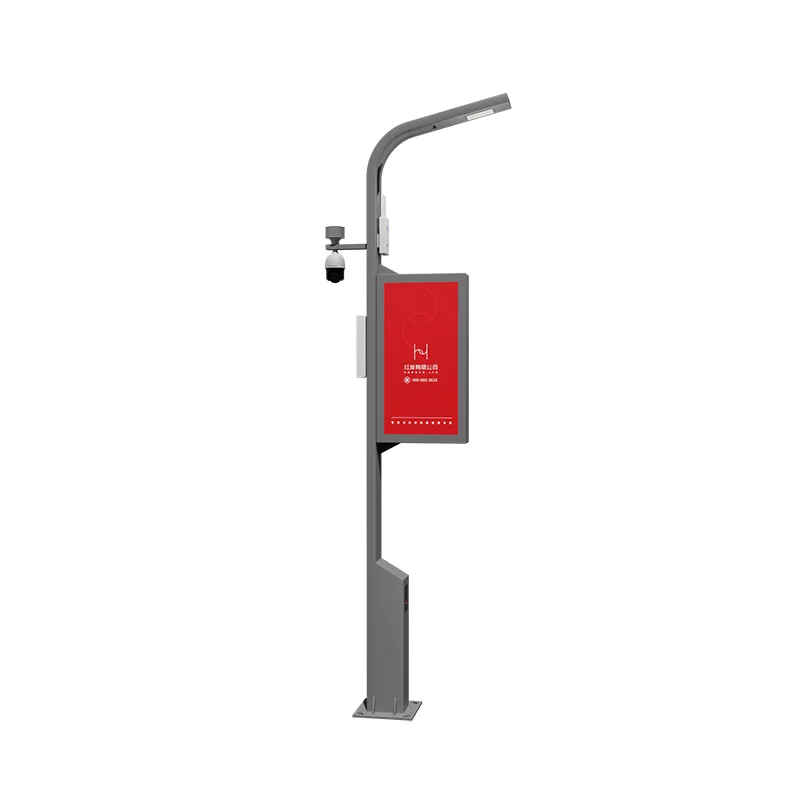
Multifunctional Smart Pole Platform with Edge Gateway Controller
Modular 4-12 m multifunctional smart pole integrating smart lighting, CCTV, 5G/small-cell mounting, environmental sensing, public WiFi, EV charging and digital signage, unified by REDCOAST.LTD's self-developed pole-top edge gateway controller.
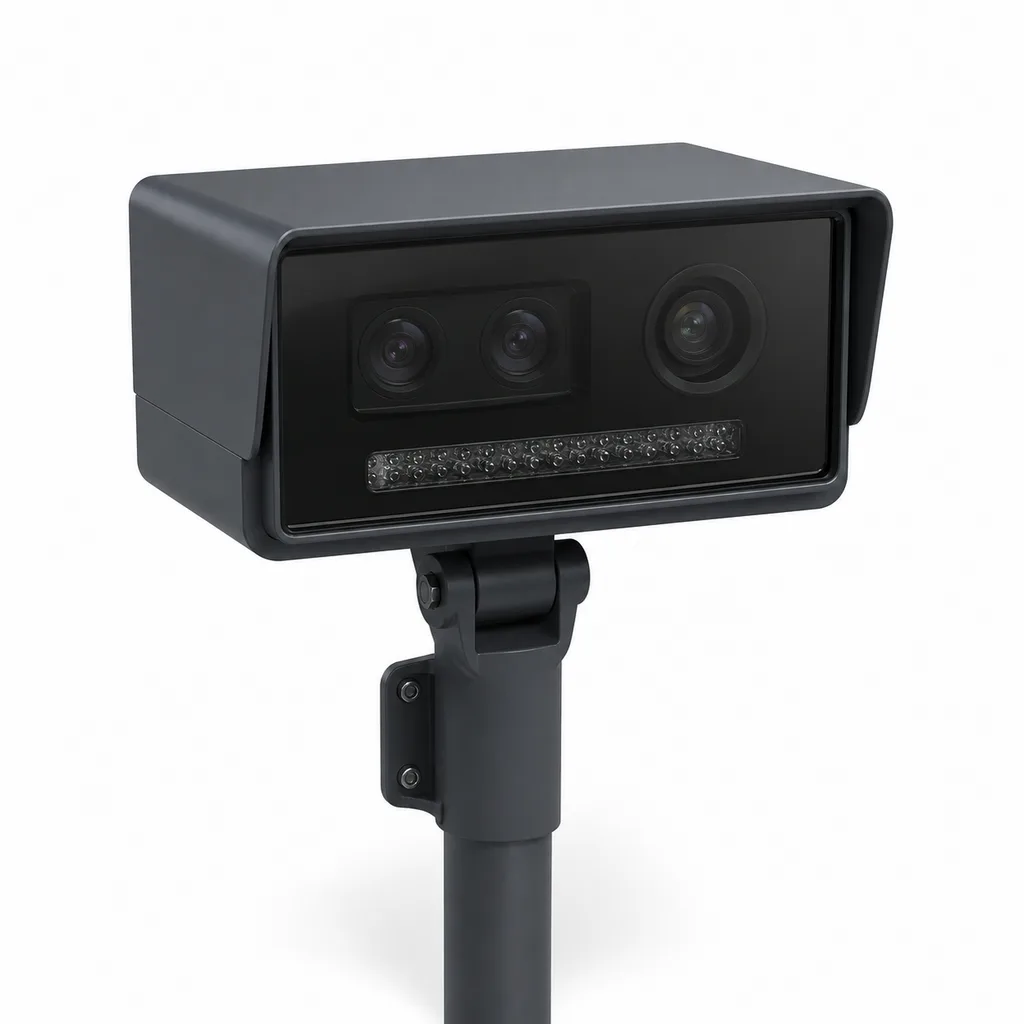
AI Bus Lane & Illegal Parking Enforcement System
Grid-powered, pole-mounted edge-AI enforcement unit that detects bus-lane, no-stopping, illegal-parking and restricted-zone violations, reads plates with ANPR and builds signed, time-synced evidence packages for automated back-office adjudication.
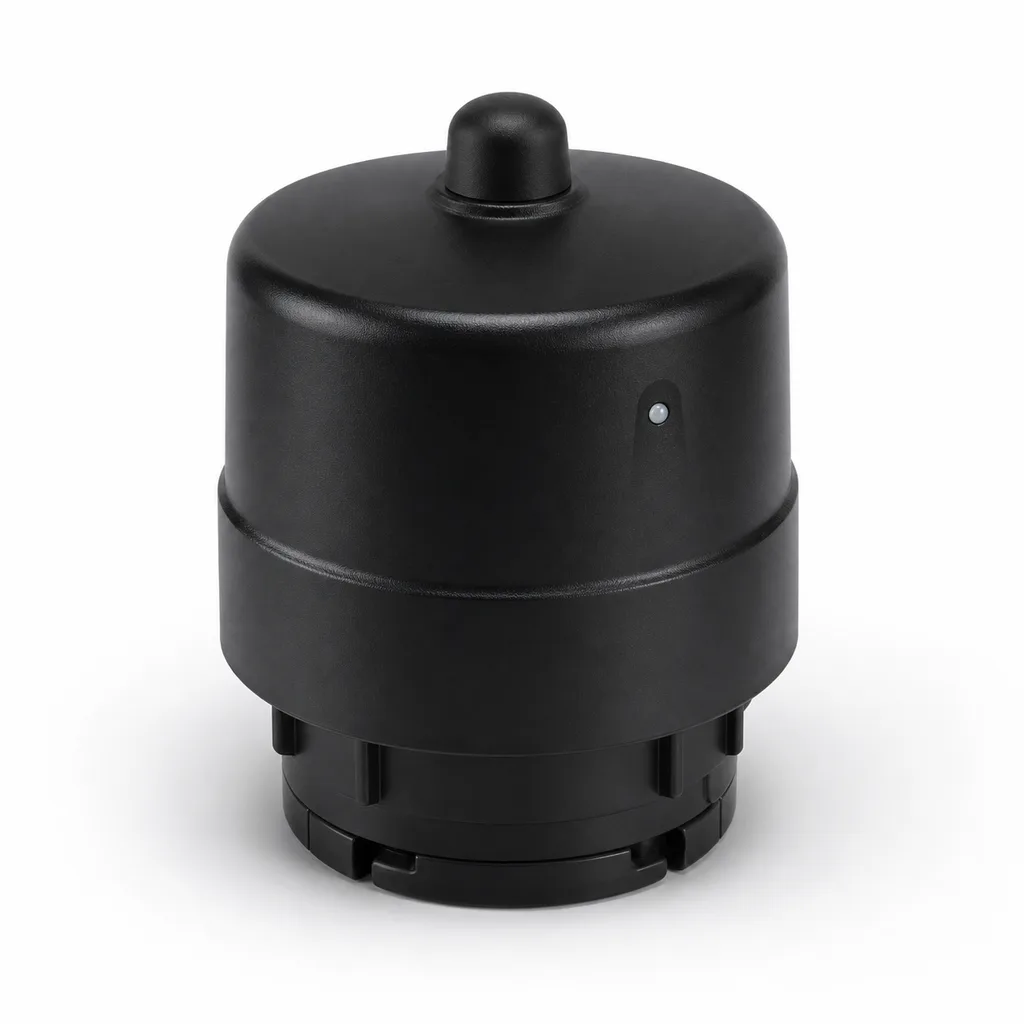
Smart Street Light Controller — NEMA & Zhaga D4i Single-Lamp Node
Smart street light control with NEMA or Zhaga D4i nodes, remote dimming, energy metering, fault alerts, and an integrated web and mobile CMS, customized by REDCOAST.LTD for municipal and utility lighting projects.
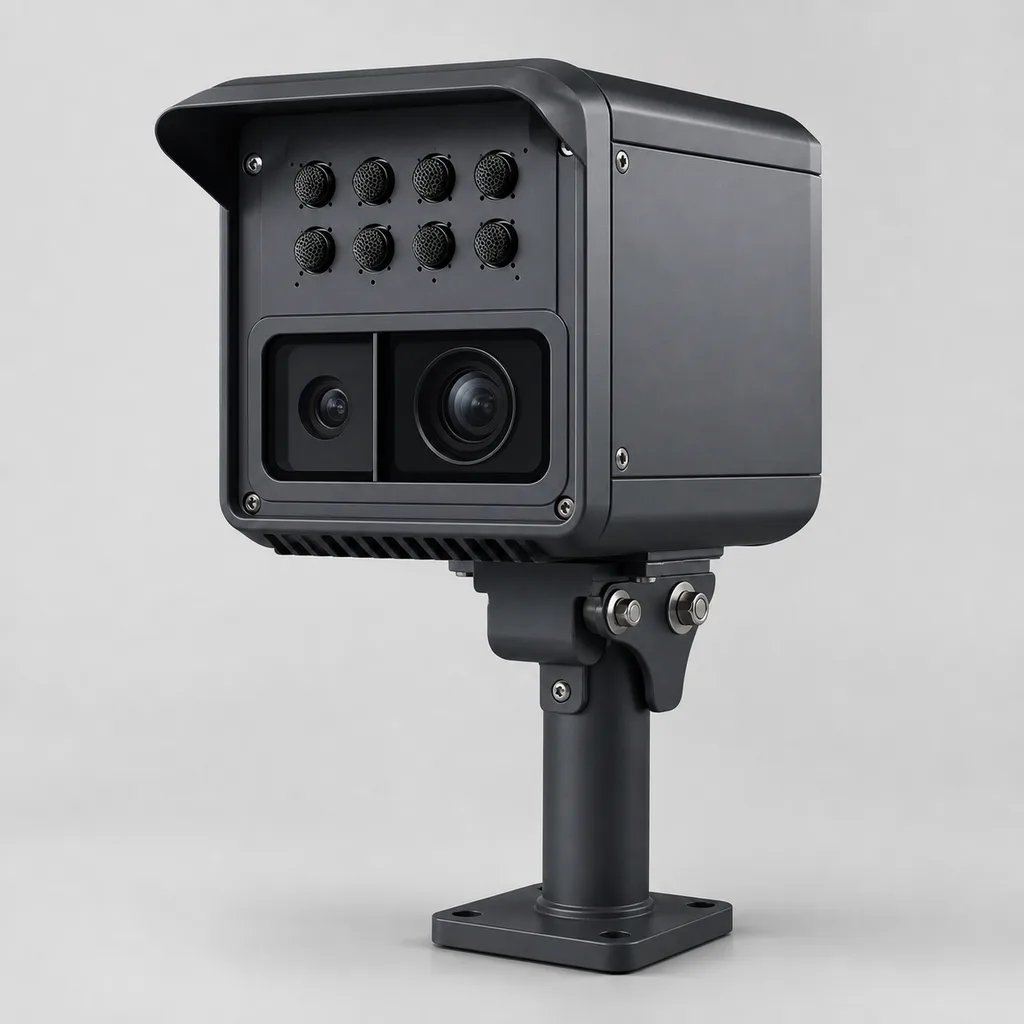
AI Vehicle Noise Enforcement Camera System
Pole-mounted AI noise camera pairing a Class 1 microphone array with ANPR edge AI to automatically detect, localize, and evidence-capture illegally loud vehicles for automated city noise enforcement.
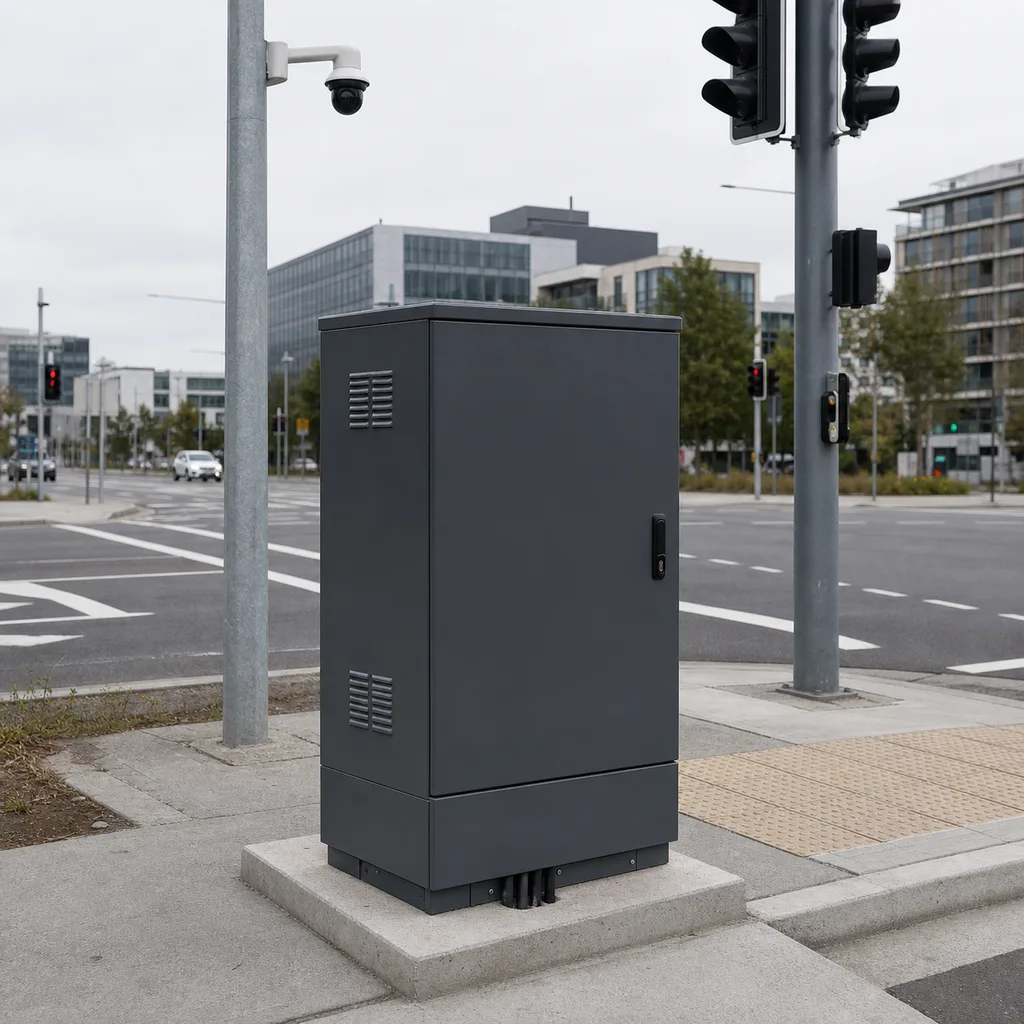
Grid-Powered Outdoor Smart Edge Cabinet with Active Thermal Management, Integrated UPS and Remote Monitoring
Grid-powered IP55 outdoor field cabinet that houses smart-city edge computing, networking, traffic and surveillance equipment, with active thermal management, integrated LiFePO4 UPS and a self-developed remote-monitoring PCB.
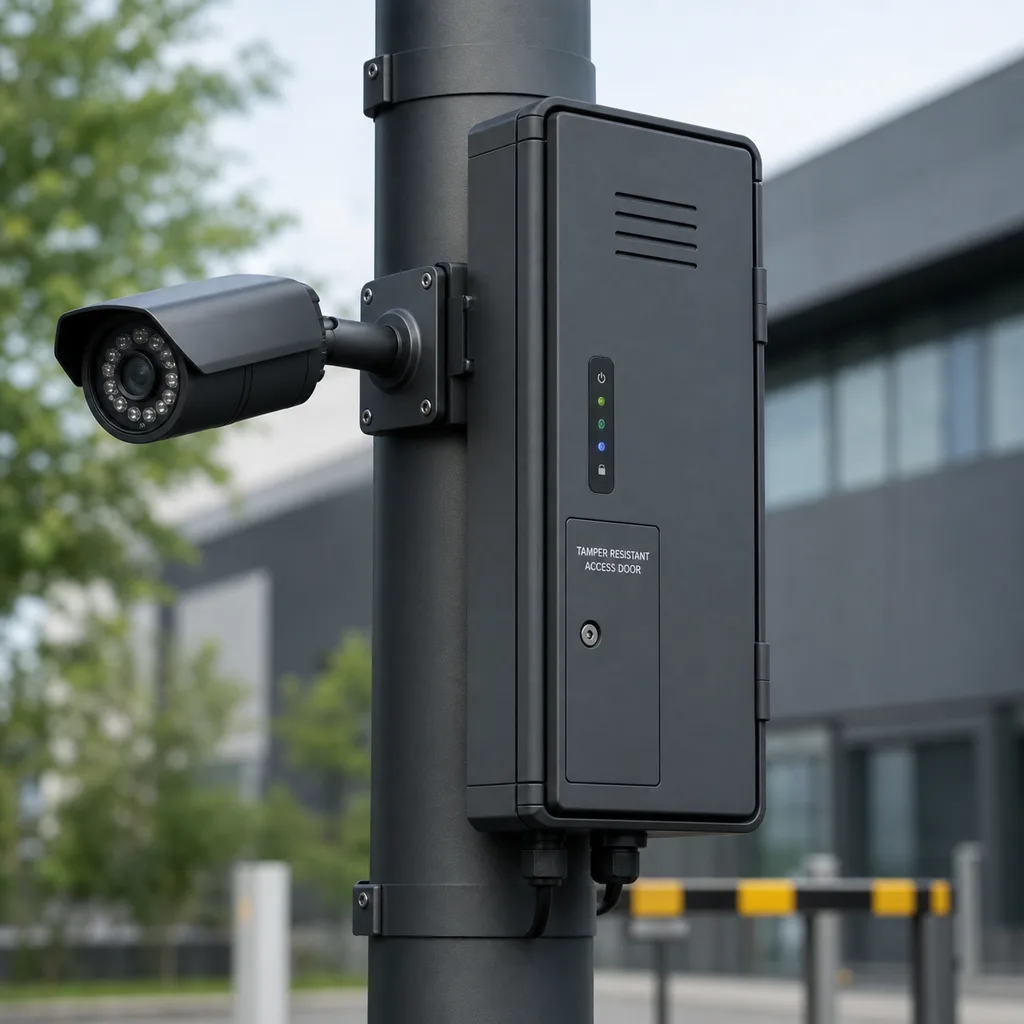
Grid-Powered Smart City Safe-City Surveillance & ANPR Pole
Mains-powered urban smart pole integrating PTZ surveillance, ANPR license-plate recognition, edge AI analytics, optional public Wi-Fi and SOS, built for Safe-City and traffic-enforcement deployments.
Next
Related guidance

Smart Street Lighting
Plan an IoT street lighting system with LED luminaires, pole controllers, adaptive dimming, fault alarms, asset management and platform integration.
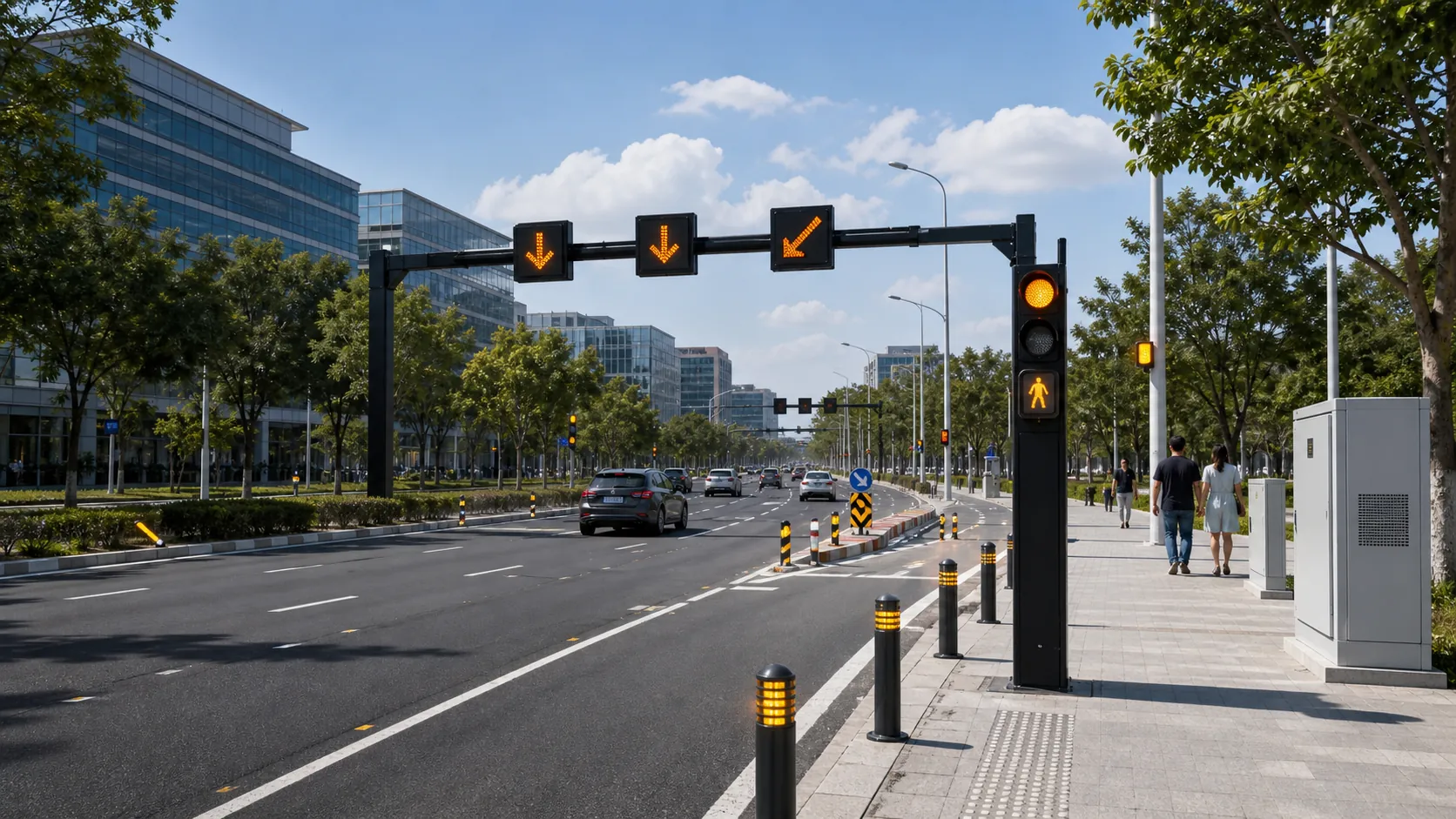
Traffic Safety
Plan connected traffic safety systems with warning beacons, LED signs, road guidance devices, sensing, control cabinets and monitoring software.

Environmental Monitoring
Deploy environmental monitoring stations with sensors, solar power, gateways, dashboards, alarms and data integration for city and industrial sites.
Frequently asked questions
Which smart city projects can start first?
Street lighting, parking guidance, traffic safety and environmental monitoring are common starting points because they have visible assets, measurable operations and clear maintenance value.
Can one platform manage multiple municipal IoT systems?
Yes. The platform can be structured around assets, locations, device types, alarms and permissions so different systems remain manageable in one operating view.
What should a municipal pilot prove?
A pilot should prove device reliability, connectivity, platform usability, alarm workflow, maintenance response and integration readiness.
How should a municipality avoid fragmented smart city systems?
Use one asset model, shared permissions, exportable data and clear integration rules before deploying separate lighting, parking, traffic or monitoring systems.
What is a strong municipal IoT pilot zone?
A strong pilot zone includes real outdoor exposure, signal challenges, maintenance workflow and multiple user roles so rollout risks are visible early.
Need this engineered for your project?
Tell us the site type, required devices, power and connectivity conditions. REDCOAST.LTD will respond with a tailored approach.