Use this guide when comparing smart street lighting suppliers or preparing a project requirement. It focuses on decisions that affect reliability, operations and future expansion.
Controller selection matrix
| Decision factor | Recommended approach | Buyer risk to avoid |
|---|---|---|
| Per-lamp vs group control | Use per-lamp control for measurable savings, fault location and adaptive dimming. Use group control only when project goals are simple. | Group control may not provide enough data for service-level reporting or energy verification. |
| Driver interface | Match controller interface to luminaire stock: NEMA, Zhaga, DALI-2, D4i, 0-10V, 1-10V or PWM. | Wrong interface selection causes expensive retrofit work or limits diagnostics. |
| CMS capability | Require asset grouping, schedules, alarms, reports, role control and API/export before pilot. | A controller without a usable CMS does not solve the operating problem. |
Start with the operating requirement
Before device selection, define how the system will be used after installation.
- List user roles, alarm response process, dimming policies and reporting expectations.
- Confirm whether the project needs fixture replacement, controller retrofit or both.
- Define integration needs such as GIS, energy reports or city dashboards.
Compare controllers by lifecycle value
Controller price alone does not show signal quality, firmware stability, maintenance cost or platform usability.
- Check supported dimming interface, metering data, power protection and enclosure rating.
- Review firmware update method, communication fallback and offline behavior.
- Ask how device IDs, poles and groups are managed at scale.
Write measurable acceptance tests
Acceptance should prove the system can be operated, not only installed.
- Test group control, single-lamp control, schedule execution and manual override.
- Verify alarm generation for offline, abnormal power and lamp fault scenarios.
- Check reports, export fields and maintenance workflow with real operators.
Checklist
Planning checkpoints
Do not buy controllers before confirming connectivity and platform requirements.
Ask for real platform workflows during supplier evaluation.
Test alarm quality and dimming behavior in the pilot.
Document naming, grouping and permissions before citywide rollout.
Standards
Standards and interface notes
- Ask suppliers to map each proposed controller to your actual luminaire and driver interfaces.
- Confirm whether DALI-2 or D4i diagnostics are required or only dimming output is needed.
- Define API/export needs if the city already has GIS, CMS or energy reporting systems.
- Do not treat certification labels as universal; confirm the exact product variant and destination market.
Procurement
Commercial questions to settle
- Is energy saving, maintenance speed or platform integration the main buying driver?
- What percentage of poles have compatible sockets or drivers?
- Does the buyer need citywide rollout after the pilot?
- Who will own device data and operate the CMS?
Acceptance
Evidence buyers should request
| Acceptance test | Pass criteria | Evidence |
|---|---|---|
| Interface fit check | Pilot controller fits the selected luminaire/socket and controls the driver as expected. | Installation photo and dimming test record. |
| CMS workflow check | Operator can create groups, schedule dimming, receive alarms and export reports. | CMS screenshots and exported file. |
| Maintenance handover | Pole IDs, device IDs, groups, user roles and fault workflow are documented. | Handover sheet. |
Related Products
Product capabilities for this page
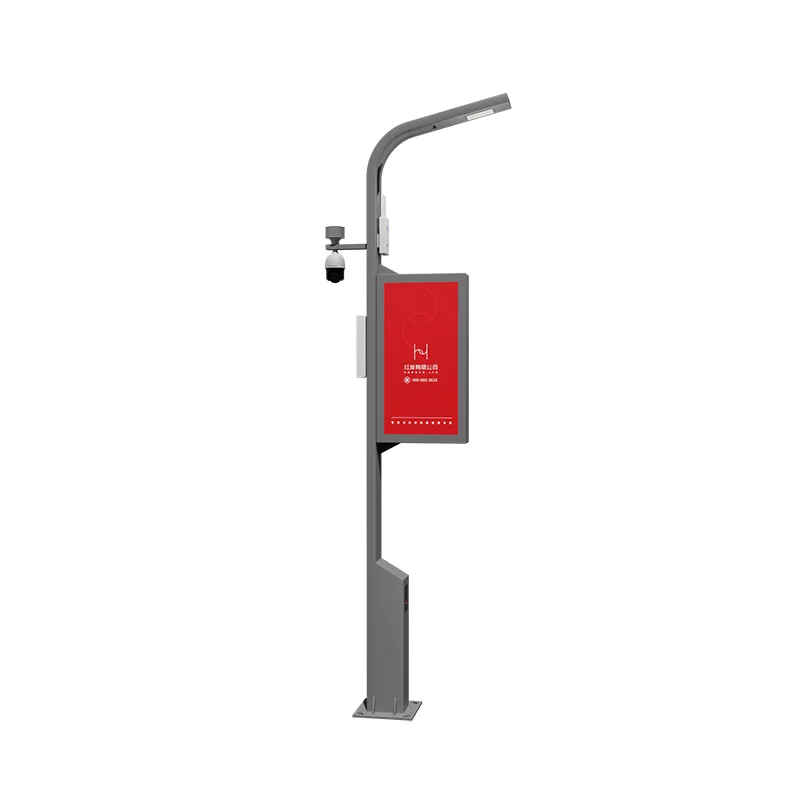
Multifunctional Smart Pole Platform with Edge Gateway Controller
Modular 4-12 m multifunctional smart pole integrating smart lighting, CCTV, 5G/small-cell mounting, environmental sensing, public WiFi, EV charging and digital signage, unified by REDCOAST.LTD's self-developed pole-top edge gateway controller.
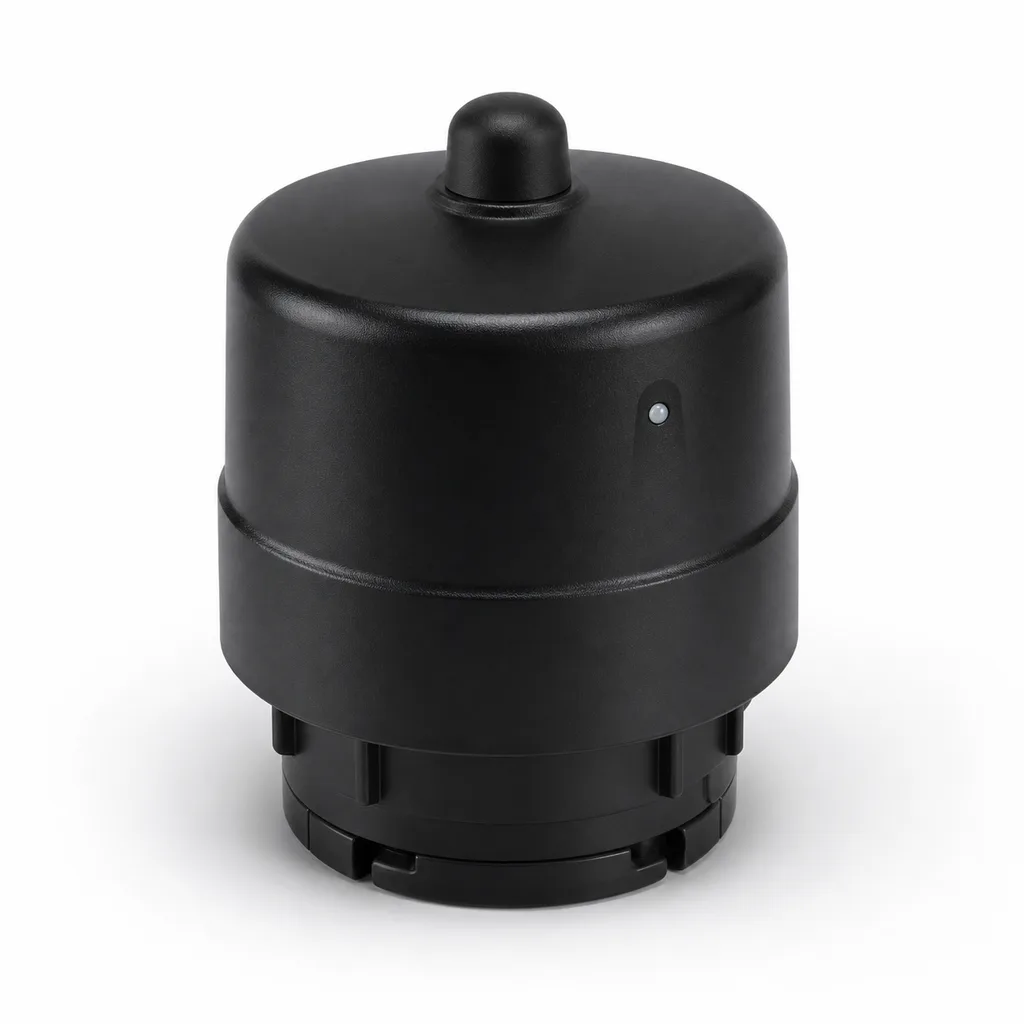
Smart Street Light Controller — NEMA & Zhaga D4i Single-Lamp Node
Smart street light control with NEMA or Zhaga D4i nodes, remote dimming, energy metering, fault alerts, and an integrated web and mobile CMS, customized by REDCOAST.LTD for municipal and utility lighting projects.
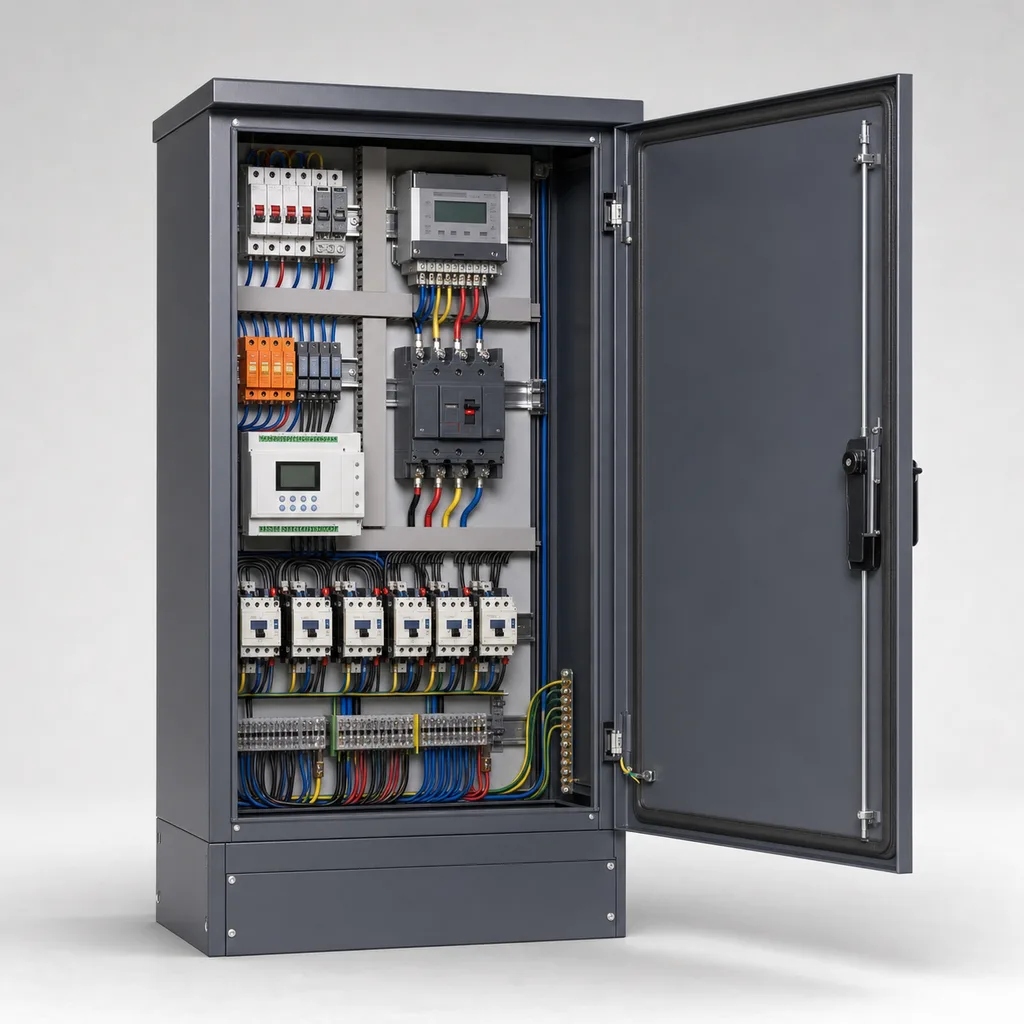
Smart Street Lighting Control Cabinet (CCMS Feeder Pillar)
Grid-powered cabinet-level street lighting controller (CCMS feeder pillar): group switching, Class 0.5S energy metering, remote fault and cable-theft monitoring over 4G/NB-IoT.
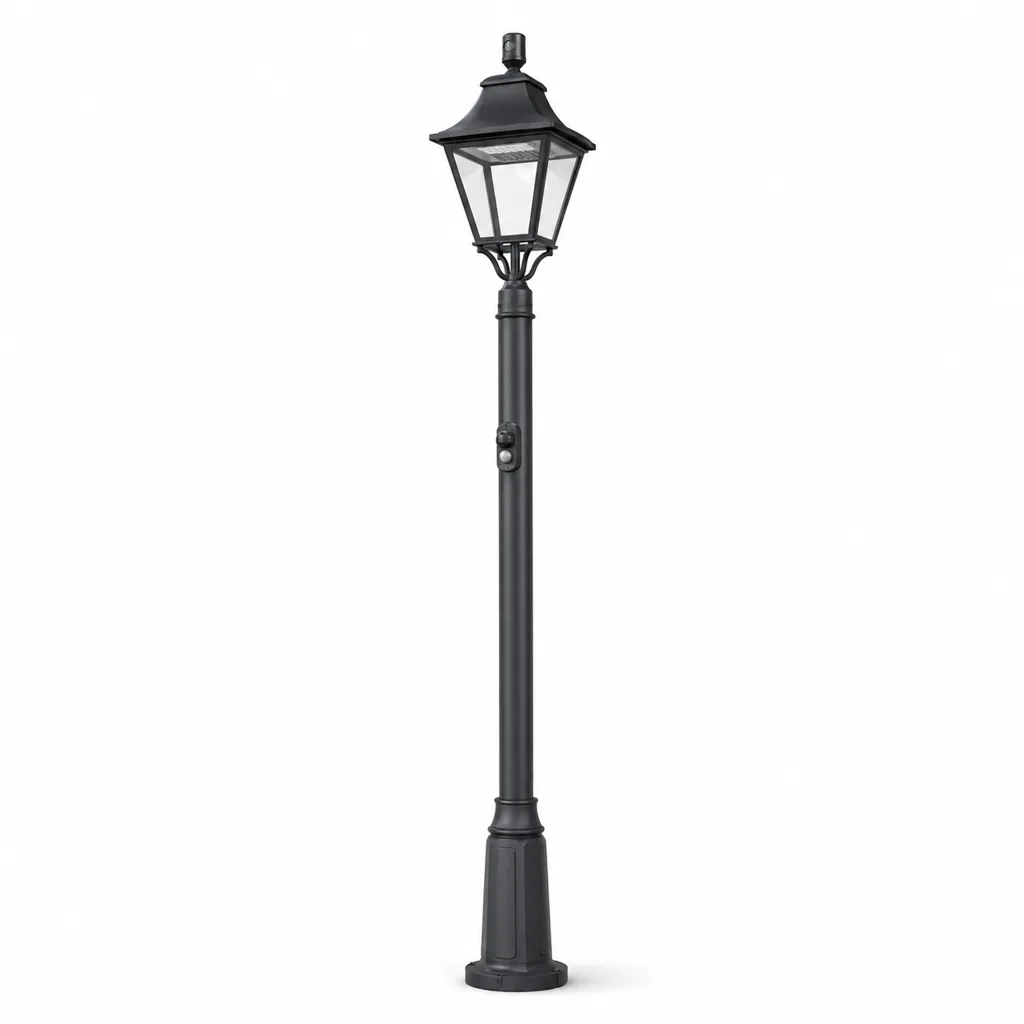
Grid-Powered Smart Park & Pedestrian Street Lighting System with Motion-Adaptive CMS Control
Grid-powered, pedestrian-scale decorative LED lighting system for parks, plazas, promenades and pedestrian streets; in-house constant-current LED driver, single-lamp CMS control and PIR motion-dimming PCB by REDCOAST.LTD.
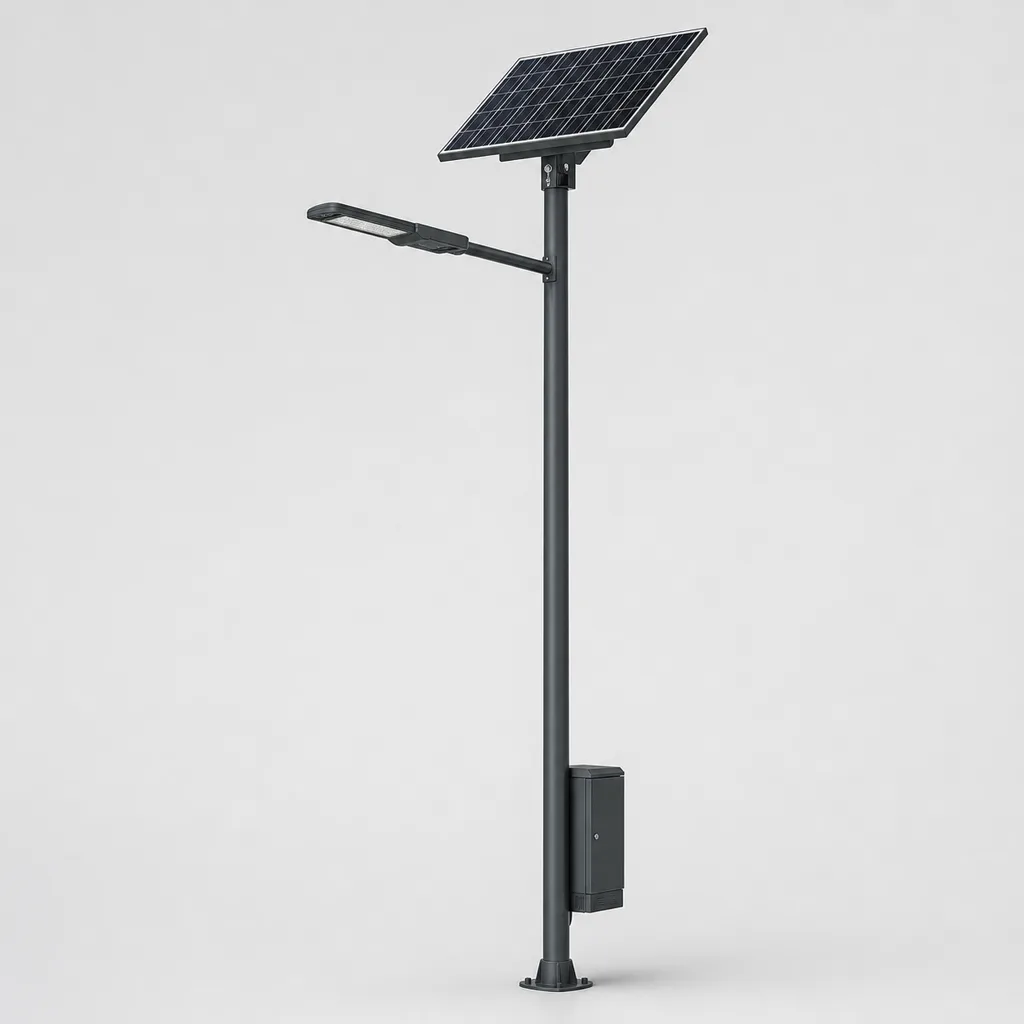
Split-Type Solar Smart Street Lighting System
Off-grid split solar street light for main roads: separate high-wattage panel, ground-level LiFePO4 cabinet and 40-200W LED head, run by REDCOAST.LTD's self-developed MPPT + driver + CMS single-lamp controller.
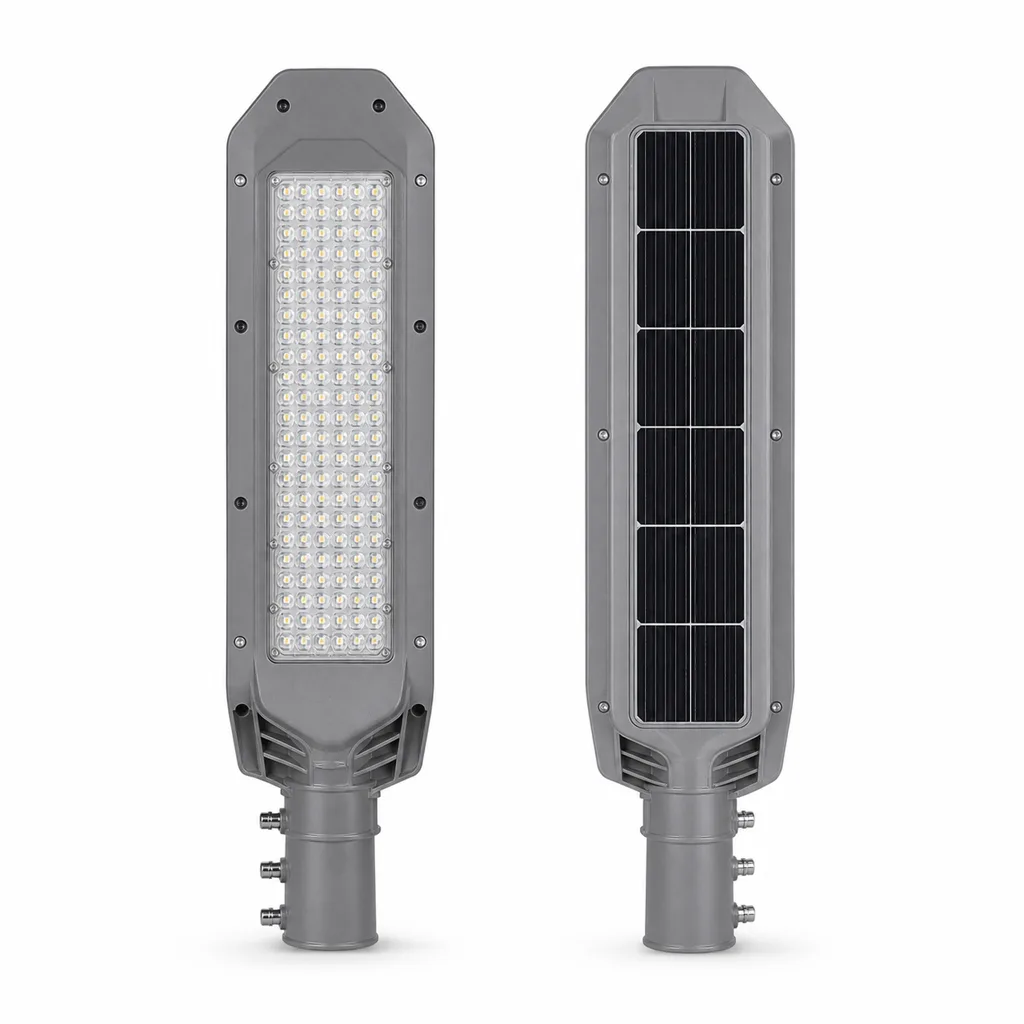
All-in-One Integrated Smart Solar LED Street Light
Self-contained solar LED street light integrating monocrystalline panel, LiFePO4 battery, MPPT controller and motion-sensing luminaire in one IP66 housing, with optional 4G/NB-IoT/LoRa remote management.
Next
Related guidance

Smart Street Lighting
Plan an IoT street lighting system with LED luminaires, pole controllers, adaptive dimming, fault alarms, asset management and platform integration.
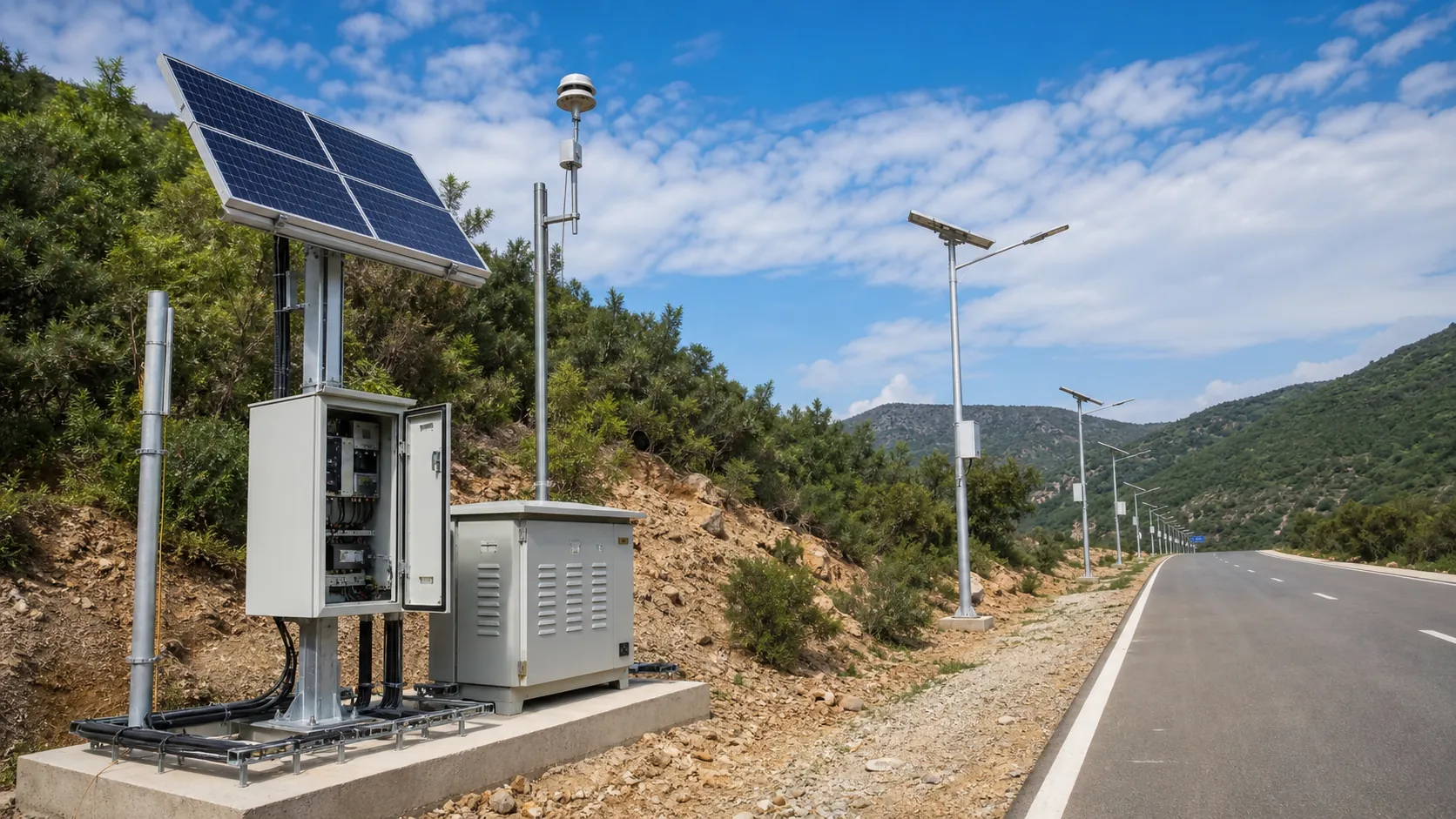
Solar IoT Guide
A design guide for solar-powered outdoor IoT: load calculation, battery autonomy, low-power firmware, telemetry and maintenance planning.
Power and Connectivity
How to choose power, battery, solar, NB-IoT, LTE, LoRaWAN, gateways and monitoring strategy for outdoor IoT infrastructure.
Frequently asked questions
What is the most important smart lighting specification?
There is no single specification. Buyers should evaluate dimming compatibility, connectivity, protection, platform workflow, maintenance access and integration needs together.
Should a project use one controller per lamp?
One controller per lamp gives detailed control and monitoring. Cabinet or group control can fit simpler projects. The right choice depends on service goals and budget.
What acceptance tests should be written into a smart lighting pilot?
Useful pilot tests include group control, single-lamp control, schedule execution, manual override, alarm generation, report export and maintenance workflow with real operators.
What should be included in a smart lighting controller comparison table?
Compare interface, dimming protocol, metering, connectivity, surge protection, IP rating, operating temperature, firmware update method, CMS functions and API/export support.
When is D4i useful in smart street lighting?
D4i is useful when the buyer wants standardized luminaire data, driver diagnostics and a modern Zhaga ecosystem rather than only basic dimming.
Need this engineered for your project?
Tell us the site type, required devices, power and connectivity conditions. REDCOAST.LTD will respond with a tailored approach.