
Smart street lighting is a practical first layer for city IoT: every pole already has power, location and maintenance value. REDCOAST.LTD designs the device layer, control logic, management platform and mobile workflow as one project-ready system.
Street lighting decision matrix
| Decision factor | Recommended approach | Buyer risk to avoid |
|---|---|---|
| Control granularity | Use single-lamp control when energy reporting, fault location and dimming policies matter. Use cabinet or group control only for simpler retrofit budgets. | Buying only group control can lower upfront cost but makes fault finding, per-road scheduling and measured energy savings weaker. |
| Connectivity ownership | Compare NB-IoT, LTE, LoRaWAN and gateway-based networks by coverage map, subscription cost, gateway ownership and maintenance team capability. | A controller that works in a small pilot can fail at scale when SIM ownership, weak signal zones or gateway maintenance are ignored. |
| Maintenance workflow | Require asset map, alarm priority, work order closure, photo evidence and exportable fault history before rollout. | A dashboard without maintenance workflow becomes another screen, not an operating system. |
Architecture that starts at the pole
A useful smart lighting program links field hardware, connectivity, operations and maintenance data instead of treating each fixture as a standalone purchase.
- LED luminaires, drivers and controllers selected for road class, pole spacing and local power conditions.
- NB-IoT, LTE, LoRaWAN or wired gateway options chosen by coverage, ownership model and lifecycle cost.
- A web platform for scheduling, group control, energy visibility, fault alarms, work orders and audit trails.
Procurement signals buyers should check
The strongest street lighting tenders define the operating model before the bill of materials. That prevents mismatched devices, weak maintenance data and expensive future integration.
- Dimming policies by road type, event calendar, sunset schedule and emergency override.
- Electrical safety, surge protection, ingress protection and cabinet maintenance access.
- Open integration paths for GIS, city dashboards, maintenance teams and third-party command centers.
Operations after installation
The platform layer should turn lighting from a manual inspection task into a measurable service with clear exception handling.
- Lamp status, controller status, energy trend and abnormal power alerts in one console.
- Role-based access for operators, contractors, supervisors and project owners.
- Mobile inspection support for QR scan, photo evidence, location notes and maintenance closure.
Checklist
Planning checkpoints
Define road hierarchy, pole spacing, supply voltage and luminaire targets before choosing controllers.
Specify connectivity at the site level, not only on a device datasheet.
Require platform screenshots, user roles, alarm workflow and export formats during supplier evaluation.
Plan pilot acceptance around dimming accuracy, alarm latency, dashboard clarity and maintenance workflow.
Standards
Standards and interface notes
- Confirm socket and dimming interfaces against actual luminaires: NEMA C136.41, Zhaga Book 18, DALI-2, D4i, 0-10V or PWM where applicable.
- Define surge protection, ingress protection, operating temperature and electrical isolation for the local environment.
- If a city CMS or third-party platform is required, confirm API, MQTT or TALQ-aligned data model expectations before procurement.
- Compliance marks such as CE, RoHS or local electrical approvals must be tied to the final hardware configuration and destination market.
Procurement
Commercial questions to settle
- Is the project retrofit, new build or mixed, and who owns the pole asset data?
- Who pays recurring connectivity costs: city owner, operator, contractor or supplier?
- Which team closes alarms and what response time is expected?
- Does the buyer need integration with GIS, existing CMS, energy billing or a city command center?
Acceptance
Evidence buyers should request
| Acceptance test | Pass criteria | Evidence |
|---|---|---|
| Dimming and schedule execution | Selected poles follow group schedule, individual override and sunset logic without visible flicker or unexpected state changes. | Platform logs, before-after screenshots and on-site night inspection notes. |
| Alarm and fault workflow | Offline, lamp fault and abnormal power events create actionable alarms with pole ID, location and status history. | Alarm export, work order record and mobile closure evidence. |
| Energy and asset reporting | Operators can export energy trend, device list, groups and maintenance history for the pilot zone. | CSV export or API response plus dashboard screenshot. |
Related Products
Product capabilities for this page
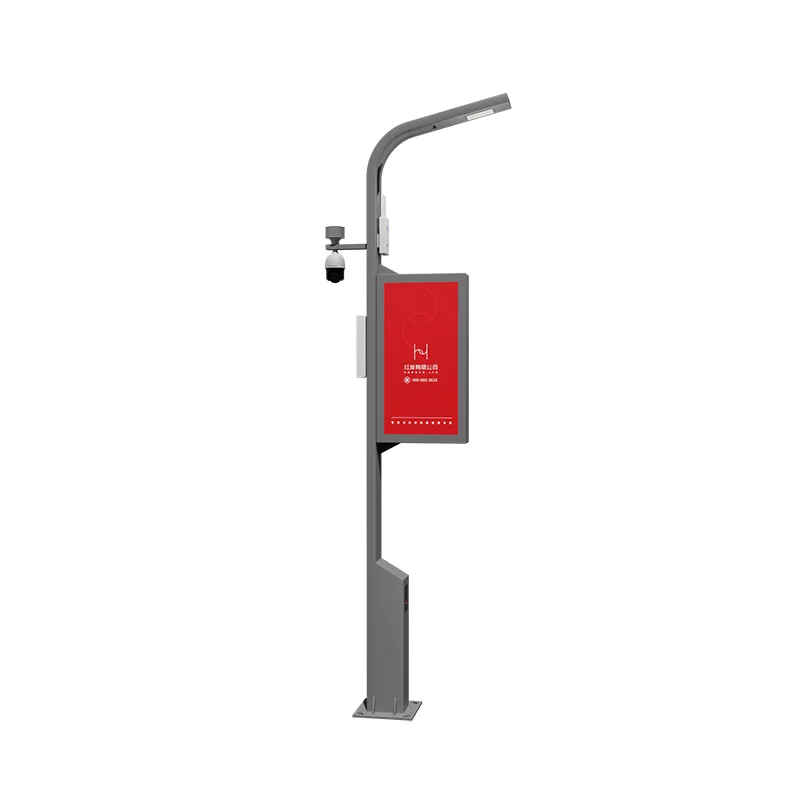
Multifunctional Smart Pole Platform with Edge Gateway Controller
Modular 4-12 m multifunctional smart pole integrating smart lighting, CCTV, 5G/small-cell mounting, environmental sensing, public WiFi, EV charging and digital signage, unified by REDCOAST.LTD's self-developed pole-top edge gateway controller.
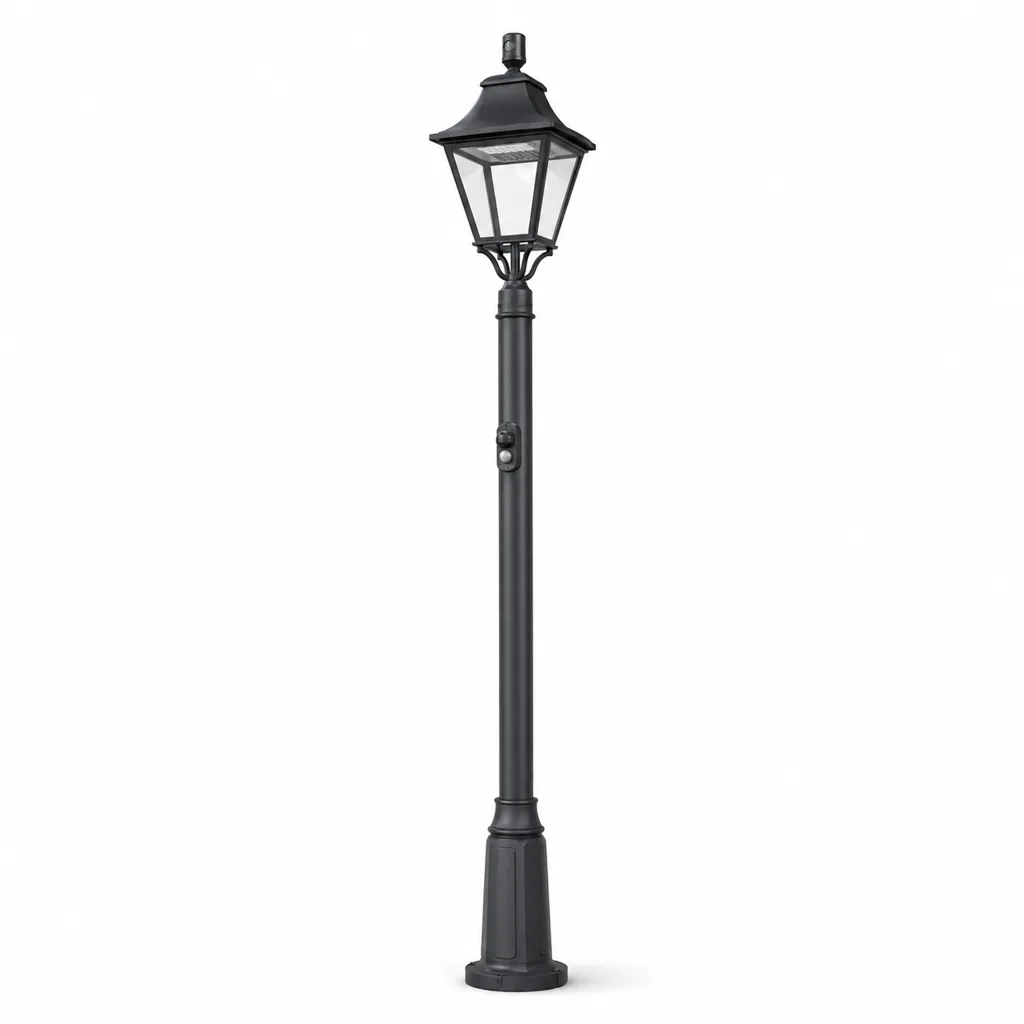
Grid-Powered Smart Park & Pedestrian Street Lighting System with Motion-Adaptive CMS Control
Grid-powered, pedestrian-scale decorative LED lighting system for parks, plazas, promenades and pedestrian streets; in-house constant-current LED driver, single-lamp CMS control and PIR motion-dimming PCB by REDCOAST.LTD.

Smart Street Light Controller — NEMA & Zhaga D4i Single-Lamp Node
Smart street light control with NEMA or Zhaga D4i nodes, remote dimming, energy metering, fault alerts, and an integrated web and mobile CMS, customized by REDCOAST.LTD for municipal and utility lighting projects.
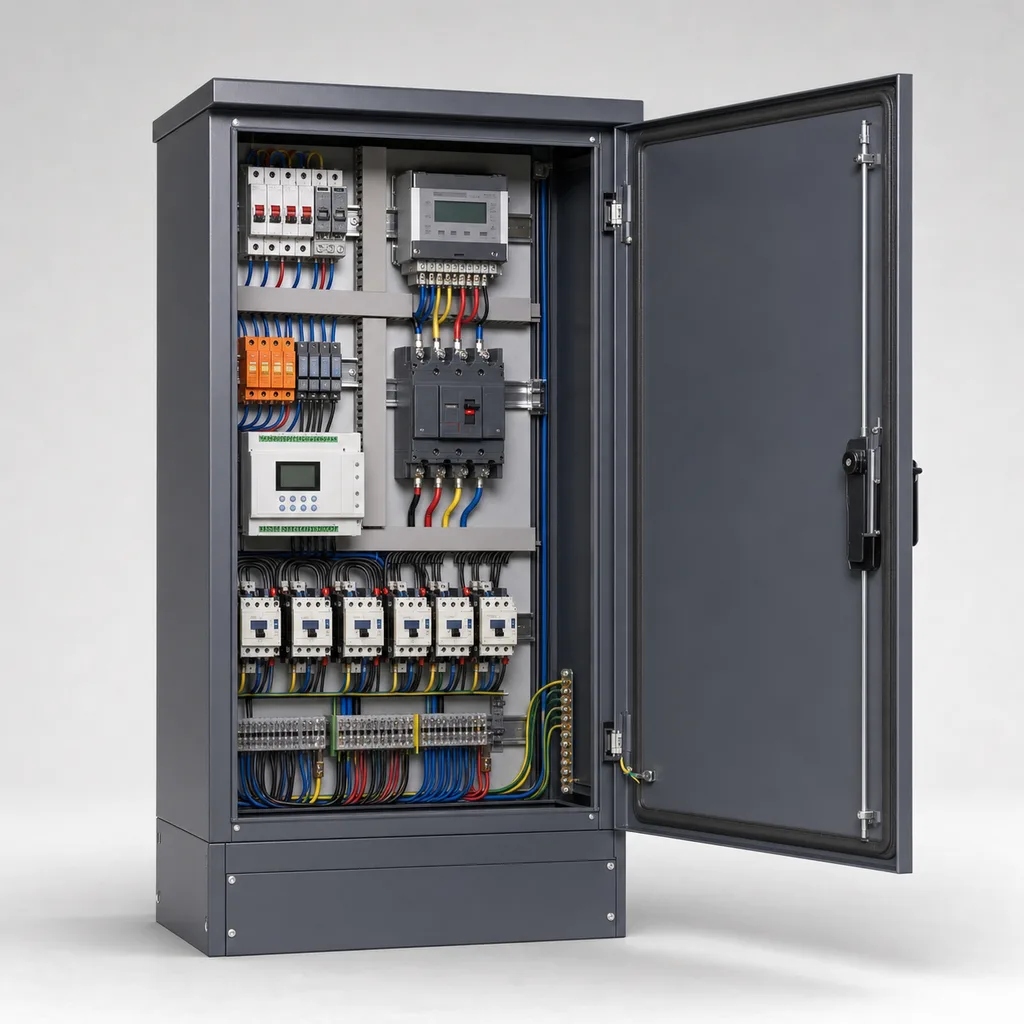
Smart Street Lighting Control Cabinet (CCMS Feeder Pillar)
Grid-powered cabinet-level street lighting controller (CCMS feeder pillar): group switching, Class 0.5S energy metering, remote fault and cable-theft monitoring over 4G/NB-IoT.
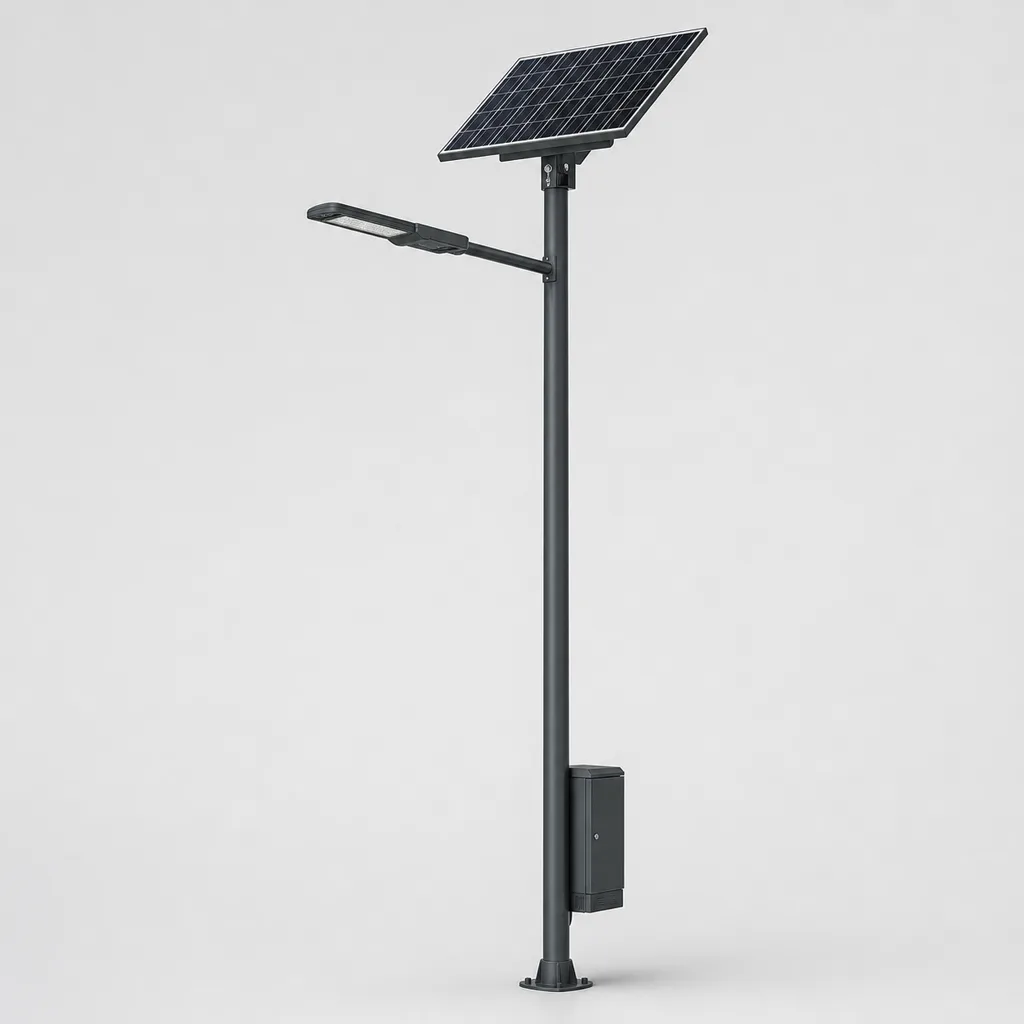
Split-Type Solar Smart Street Lighting System
Off-grid split solar street light for main roads: separate high-wattage panel, ground-level LiFePO4 cabinet and 40-200W LED head, run by REDCOAST.LTD's self-developed MPPT + driver + CMS single-lamp controller.
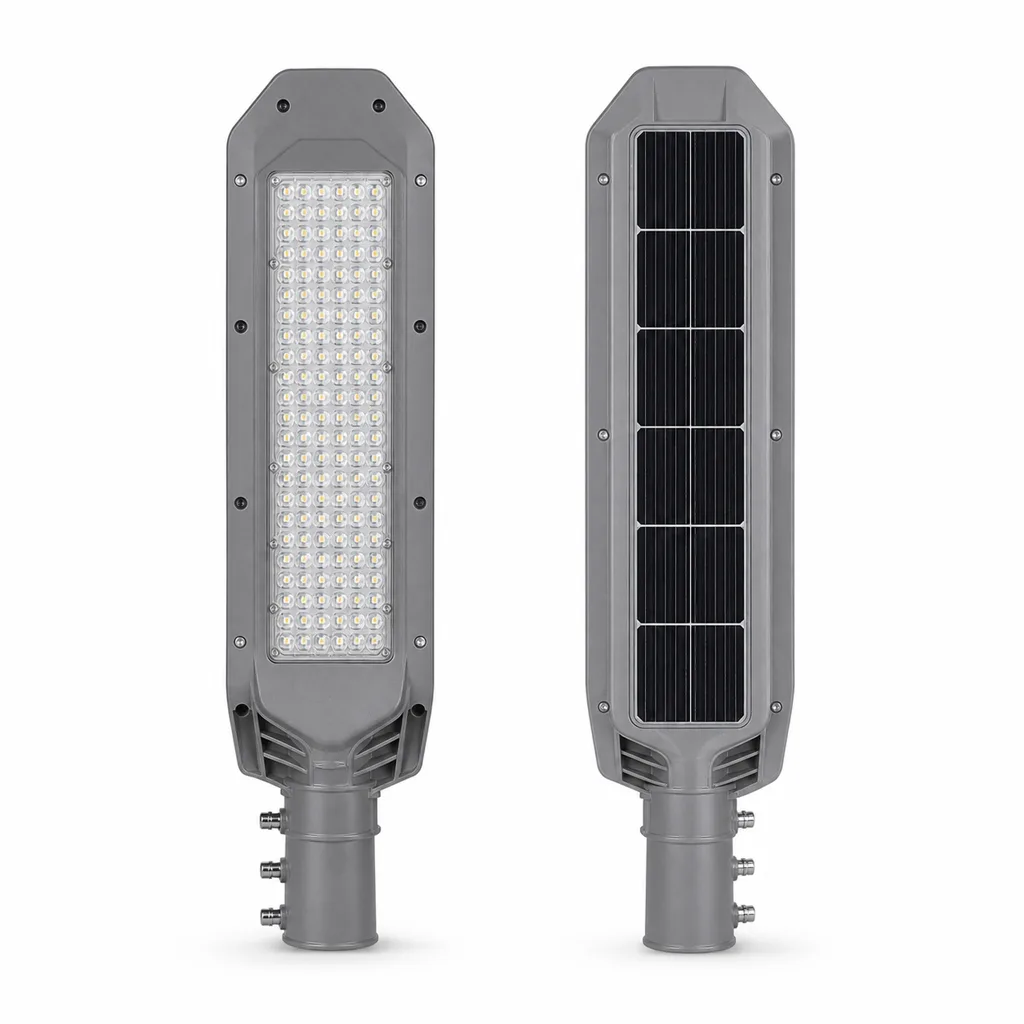
All-in-One Integrated Smart Solar LED Street Light
Self-contained solar LED street light integrating monocrystalline panel, LiFePO4 battery, MPPT controller and motion-sensing luminaire in one IP66 housing, with optional 4G/NB-IoT/LoRa remote management.
Next
Related guidance
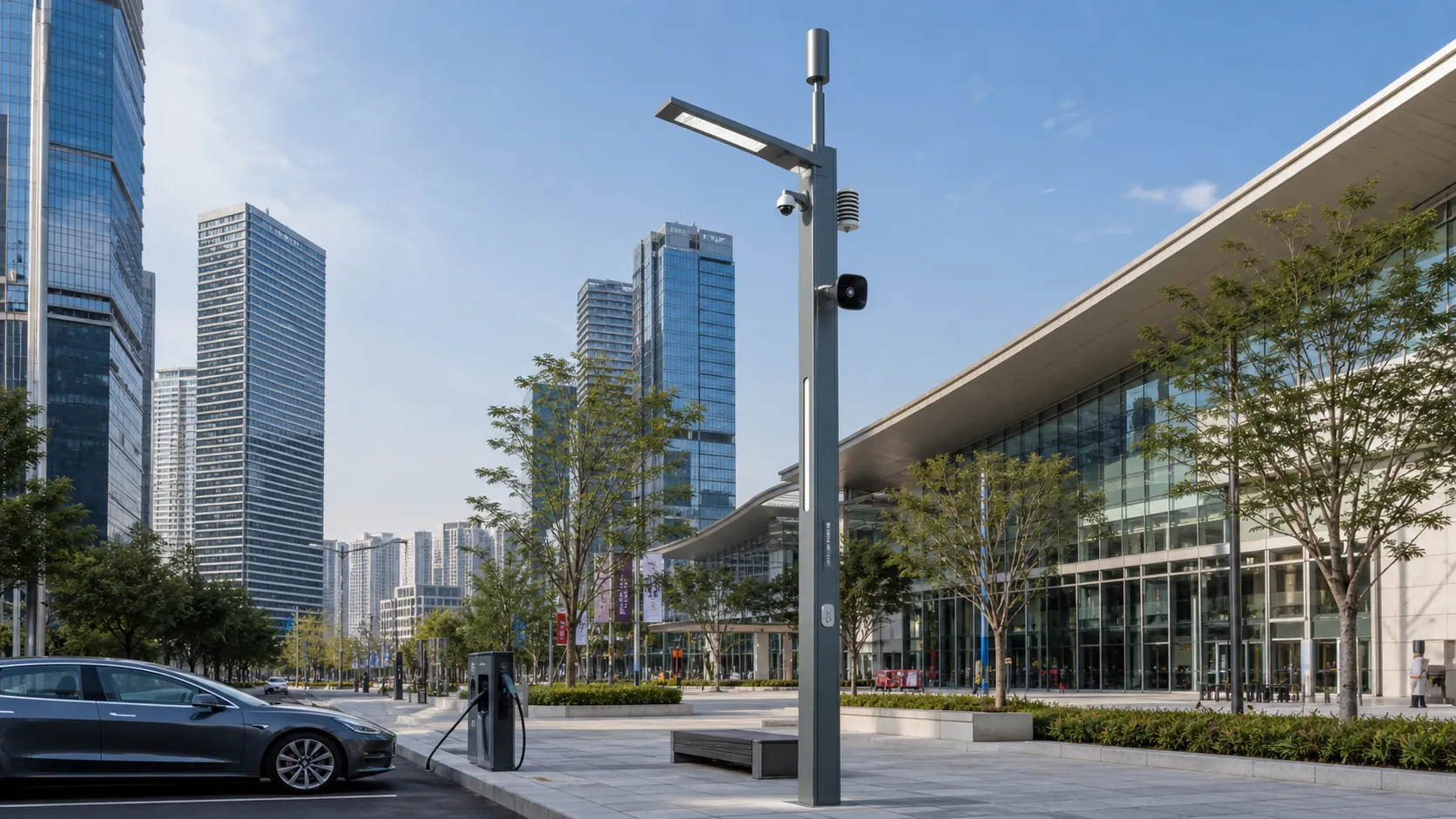
Smart Pole
Build smart pole infrastructure with lighting, cameras, environmental sensors, communication modules, public safety devices and a unified management platform.
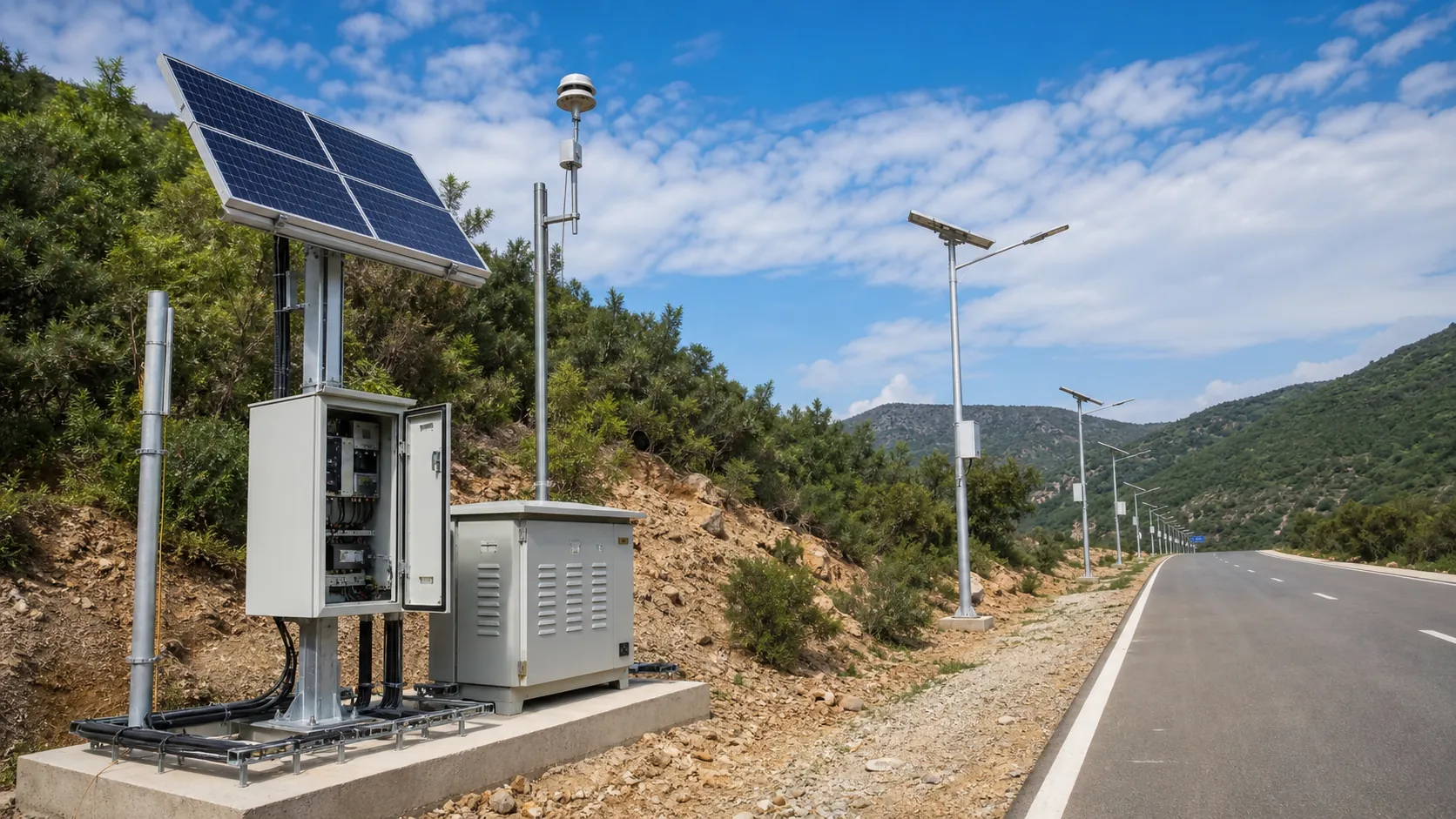
Solar Off-Grid IoT
Design solar-powered outdoor IoT systems with panels, batteries, controllers, low-power devices, gateways and remote power monitoring.
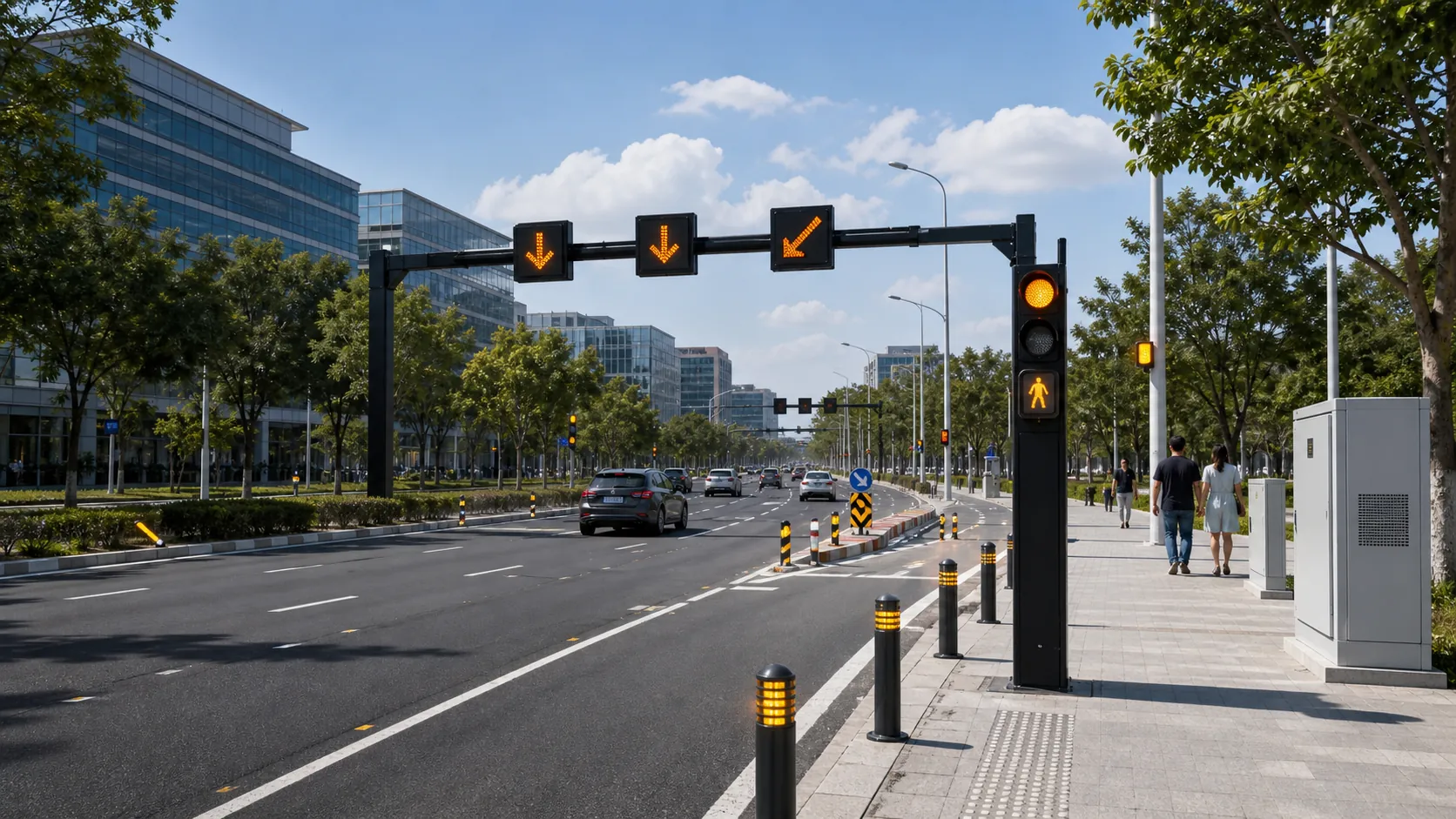
Traffic Safety
Plan connected traffic safety systems with warning beacons, LED signs, road guidance devices, sensing, control cabinets and monitoring software.
Frequently asked questions
What is included in a smart street lighting system?
A complete system normally includes LED fixtures or retrofit controllers, communication modules, gateways where needed, a management platform, mobile maintenance workflow and integration interfaces for city systems.
Can the platform support solar street lights and grid-powered lights together?
Yes. The system can be designed to show grid-powered and solar-powered assets in the same platform while keeping separate power, battery and alarm fields where the hardware supports them.
How should a buyer choose between NB-IoT, LTE and LoRaWAN?
The choice depends on coverage, data ownership, subscription cost, gateway ownership, site density and maintenance capacity. REDCOAST.LTD evaluates the project map before recommending a connectivity model.
What information should a buyer prepare before requesting a smart street lighting quote?
Prepare pole count, pole spacing, luminaire type, supply voltage, socket or driver interface, connectivity coverage, dimming policy, maintenance workflow and integration needs.
How can a city avoid vendor lock-in in smart lighting?
Ask for exportable asset data, documented APIs, clear device ownership, standard interfaces where possible and a platform handover plan before signing procurement documents.
Need this engineered for your project?
Tell us the site type, required devices, power and connectivity conditions. REDCOAST.LTD will respond with a tailored approach.