Off-grid IoT only works when power design is treated as part of the system architecture. REDCOAST.LTD plans load, battery, solar input, communications and remote monitoring together.
Solar off-grid decision matrix
| Decision factor | Recommended approach | Buyer risk to avoid |
|---|---|---|
| Load calculation | Calculate daily energy from real duty cycle, communication interval, sensors, lighting and standby current. | Using only datasheet standby numbers usually underestimates the battery and panel size needed in the field. |
| Autonomy target | Set autonomy days by climate, site criticality and service interval, then size battery and panel with margin. | A system sized for average sunlight may fail during seasonal cloudy periods or after battery aging. |
| Power telemetry | Report voltage, charge state, panel input where available and last communication time in the platform. | Without telemetry, low battery becomes visible only after the device is already offline. |
Power budget first
The right solar system starts with realistic load and autonomy assumptions, not a panel size copied from another site.
- Device load, duty cycle, communication frequency and local sunlight used to size the system.
- Battery chemistry, enclosure, charge controller and protection selected for the environment.
- Low-power operation modes designed into device firmware and platform settings.
Monitoring that prevents silent failure
Remote sites need early warning before battery depletion or communication loss becomes a service outage.
- Battery voltage, charge status, panel input and device online status available in the platform.
- Alarm thresholds configured by site type and seasonal behavior.
- Maintenance reports that show recurring power risk instead of isolated alerts.
Field-ready installation
Outdoor power systems must be easy to inspect, protect and replace without disturbing the whole device stack.
- Mounting, anti-theft design, cable routing and service access defined before procurement.
- Weatherproof enclosures and connectors matched to real climate exposure.
- Acceptance tests for charging, autonomy, alarms and communication stability.
Checklist
Planning checkpoints
Calculate daily energy consumption from actual duty cycles.
Size battery autonomy for the local climate and service interval.
Keep power telemetry visible in the same platform as device status.
Specify safe access for battery and controller replacement.
Standards
Standards and interface notes
- Battery chemistry, enclosure and cable protection must match local temperature, service access and safety requirements.
- Solar panel mounting should account for shading, vandalism risk, wind exposure and maintenance access.
- Transport, storage and replacement rules for batteries should be confirmed for the destination market.
- Alarm thresholds should be tuned after observing the first operating season where possible.
Procurement
Commercial questions to settle
- What is the minimum acceptable autonomy in bad weather?
- Can the maintenance team safely access batteries and panels?
- Is the device critical enough to justify larger battery reserve?
- Who receives low-power alarms and who performs field replacement?
Acceptance
Evidence buyers should request
| Acceptance test | Pass criteria | Evidence |
|---|---|---|
| Energy budget review | Supplier provides load, panel, battery and autonomy assumptions in a readable calculation. | Sizing worksheet and component datasheets. |
| Low-power alarm | Platform warns before battery depletion and records recovery after charging. | Alarm screenshot and telemetry trend. |
| Field installation inspection | Panel angle, enclosure seal, cable route and service access meet the deployment checklist. | Installation photos and acceptance checklist. |
Related Products
Product capabilities for this page
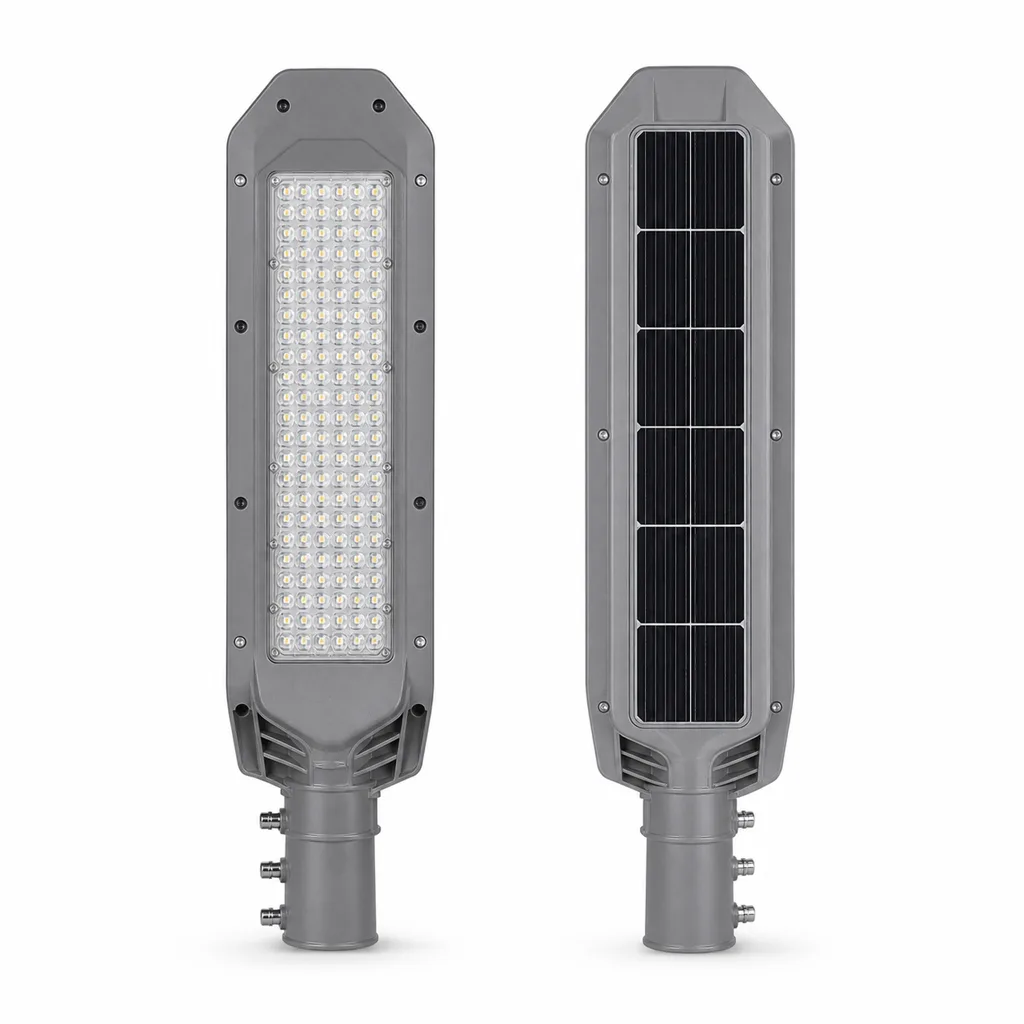
All-in-One Integrated Smart Solar LED Street Light
Self-contained solar LED street light integrating monocrystalline panel, LiFePO4 battery, MPPT controller and motion-sensing luminaire in one IP66 housing, with optional 4G/NB-IoT/LoRa remote management.
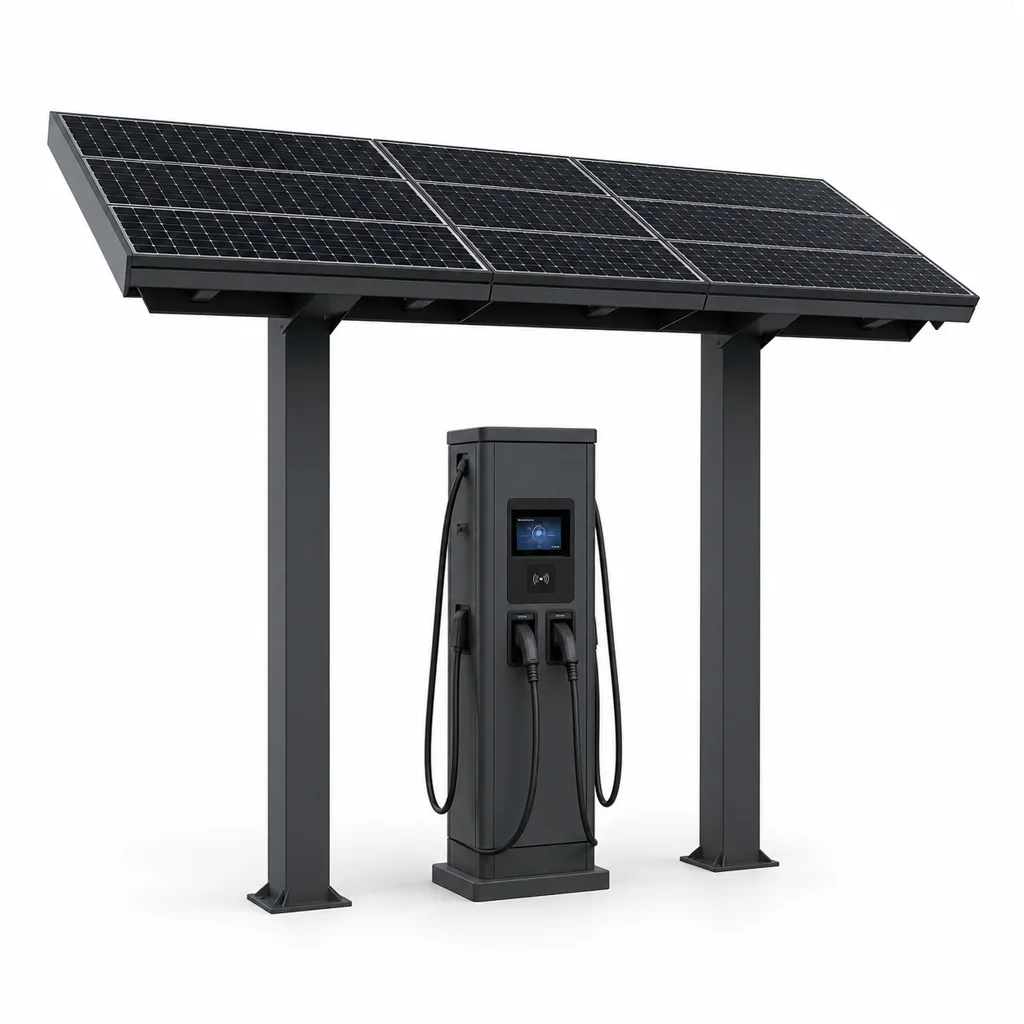
Off-Grid Solar Smart EV Charging Station
Fully off-grid solar EV charging station with REDCOAST.LTD custom MPPT power PCB, 20-100 kWh LiFePO4 storage, OCPP 2.0.1 and IoT remote management — no grid connection or trenching required.
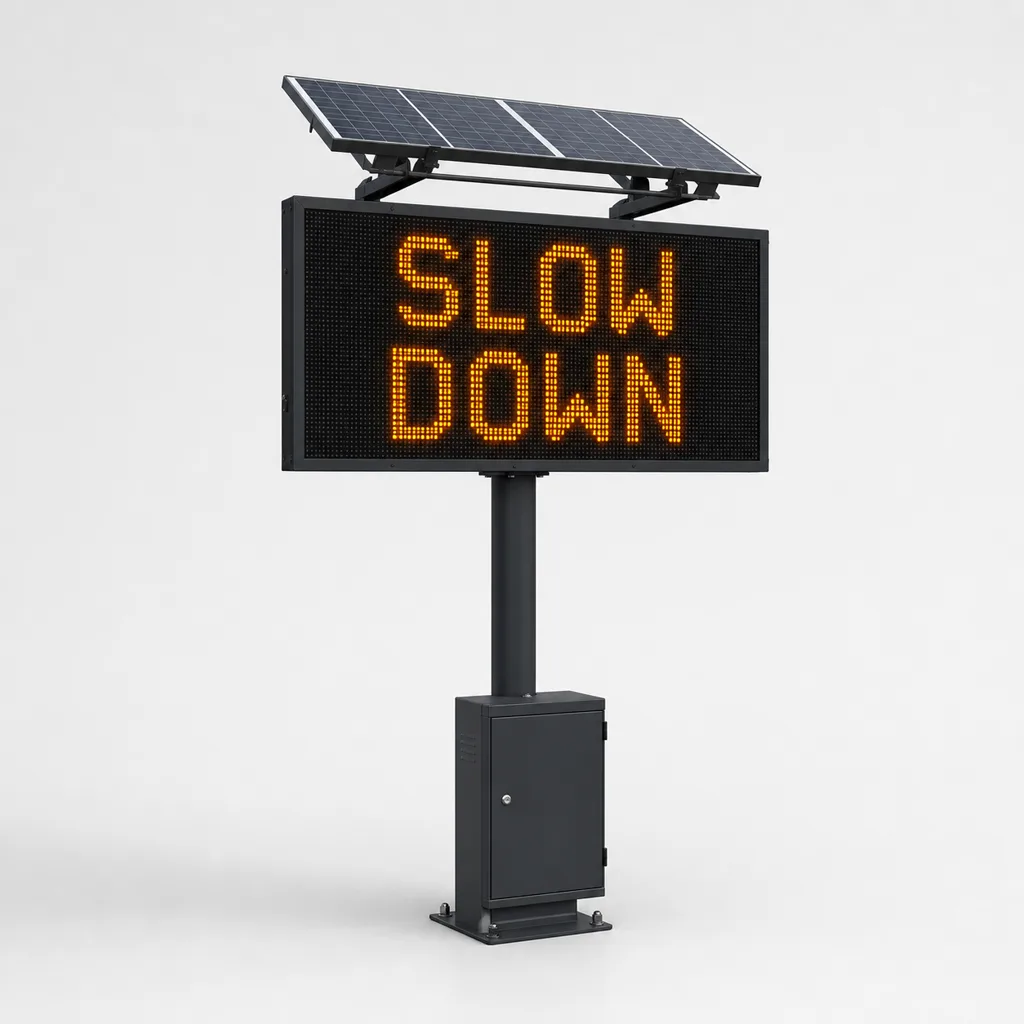
Off-Grid Solar Variable Message Sign (Full-Matrix Dynamic Information Board)
Off-grid solar full-matrix LED variable message sign (VMS/DMS) for highways and work zones, with 7,500+ nits daylight brightness, NTCIP/EN12966-aligned remote control and 72h+ battery autonomy.
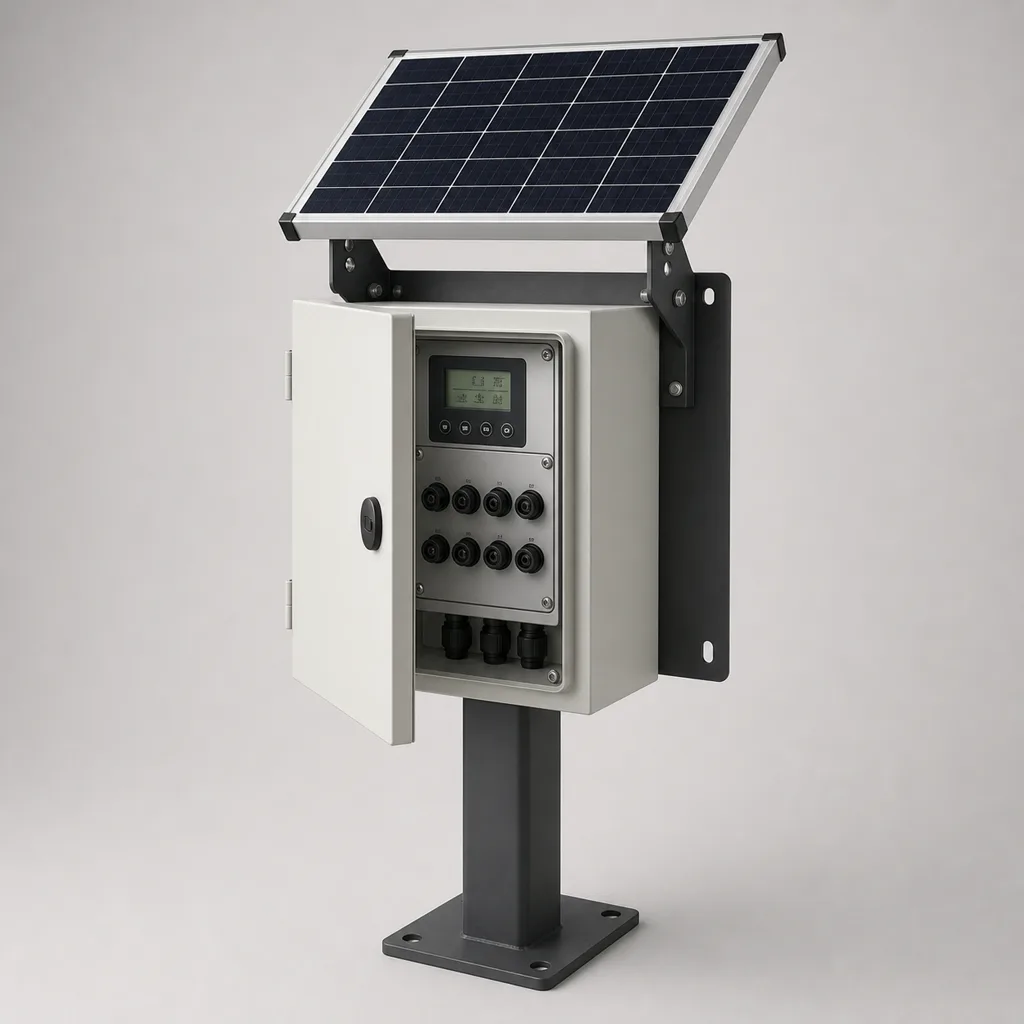
Solar-Powered Smart Irrigation & Soil Moisture Monitoring Controller
Off-grid solar irrigation controller with soil moisture/EC sensing, 4-16 LoRaWAN-linked valve zones, flow/pressure leak alerts, cloud dashboard and mobile app; REDCOAST.LTD designs the control PCB and firmware in-house for crop-specific configuration.
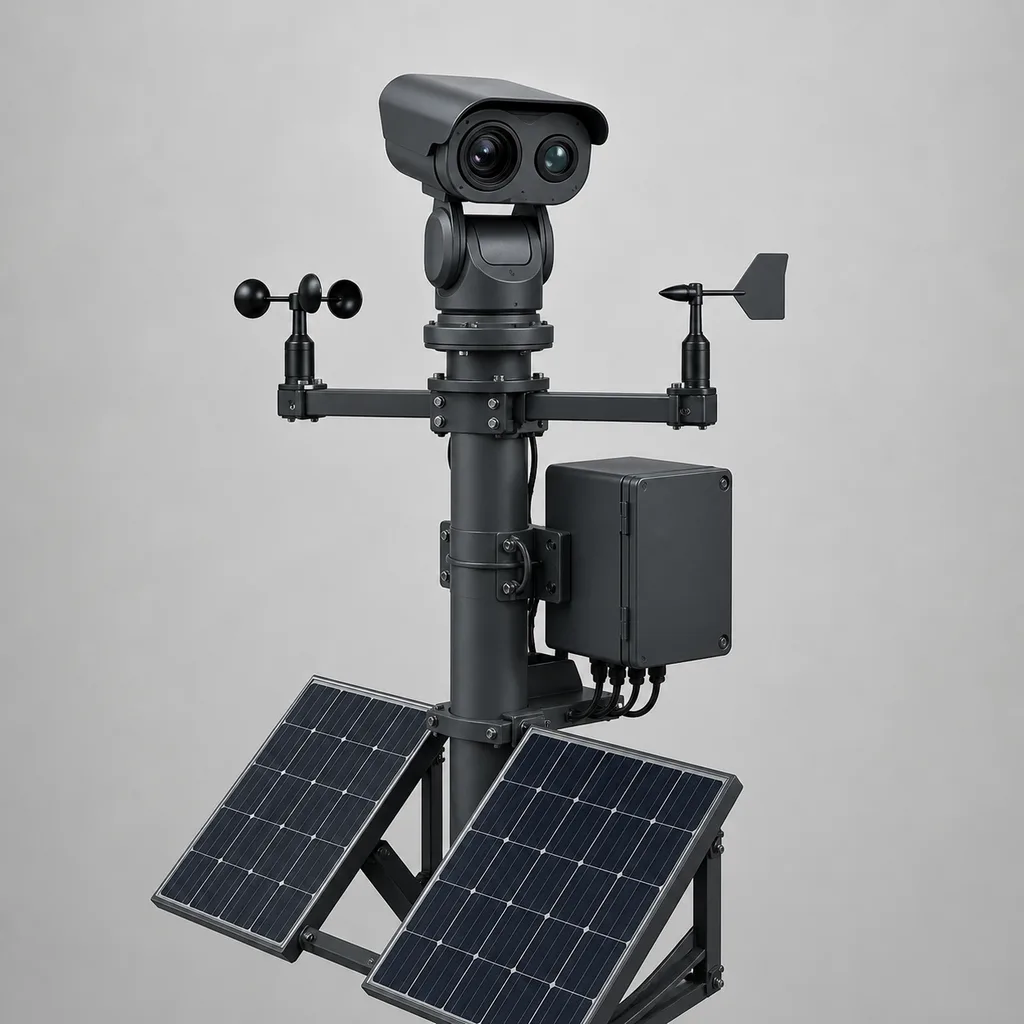
AI Wildfire Early Detection Tower & Monitoring System
Solar off-grid ridgeline tower with a dual-spectrum PTZ camera, edge-AI smoke/hotspot detection and multi-tower GPS triangulation for early wildfire warning.
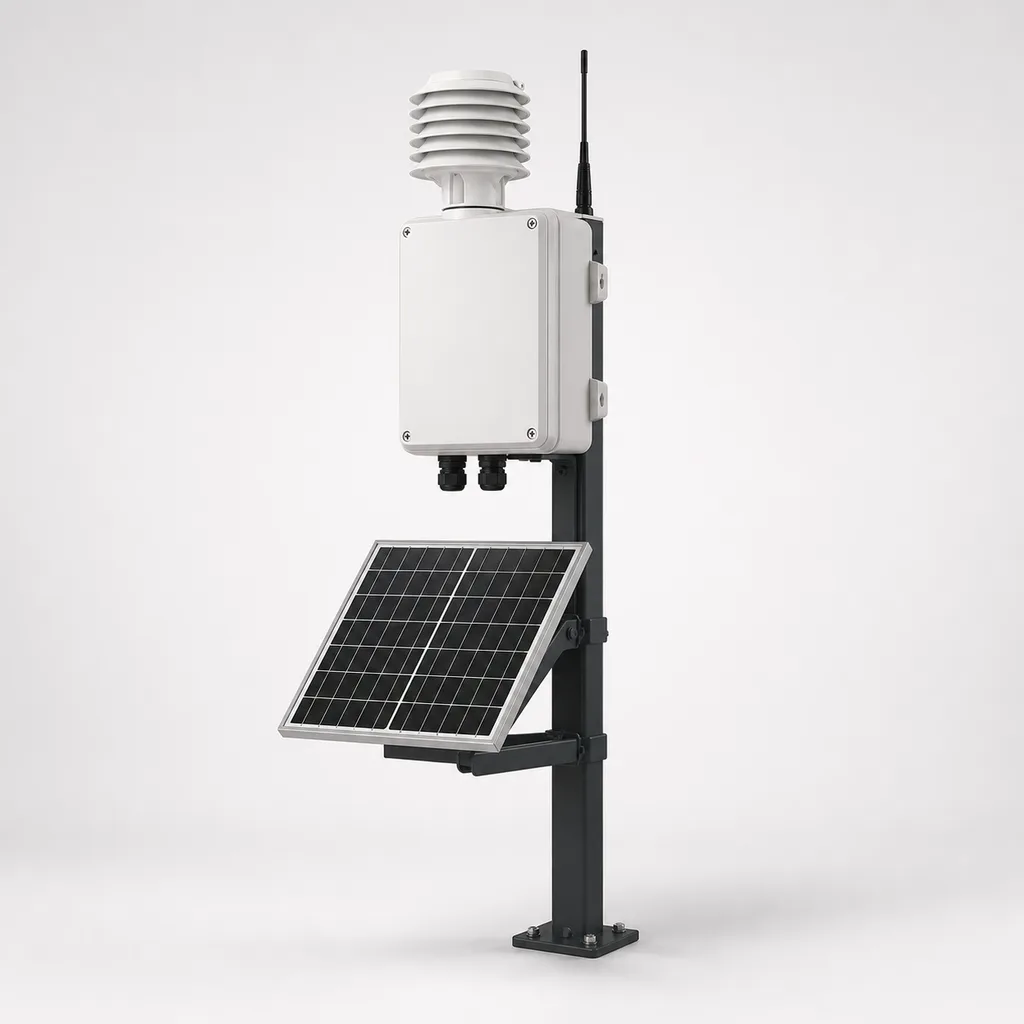
Off-Grid Solar Air Quality Monitoring Station
Off-grid solar air quality monitoring station for PM1/PM2.5/PM10, NO2, O3, CO, SO2 and VOC, with 4G, NB-IoT or LoRaWAN links, a Web dashboard, REST API and mobile app, and REDCOAST.LTD in-house hardware for project-specific sensor sets.
Next
Related guidance

Smart Street Lighting
Plan an IoT street lighting system with LED luminaires, pole controllers, adaptive dimming, fault alarms, asset management and platform integration.
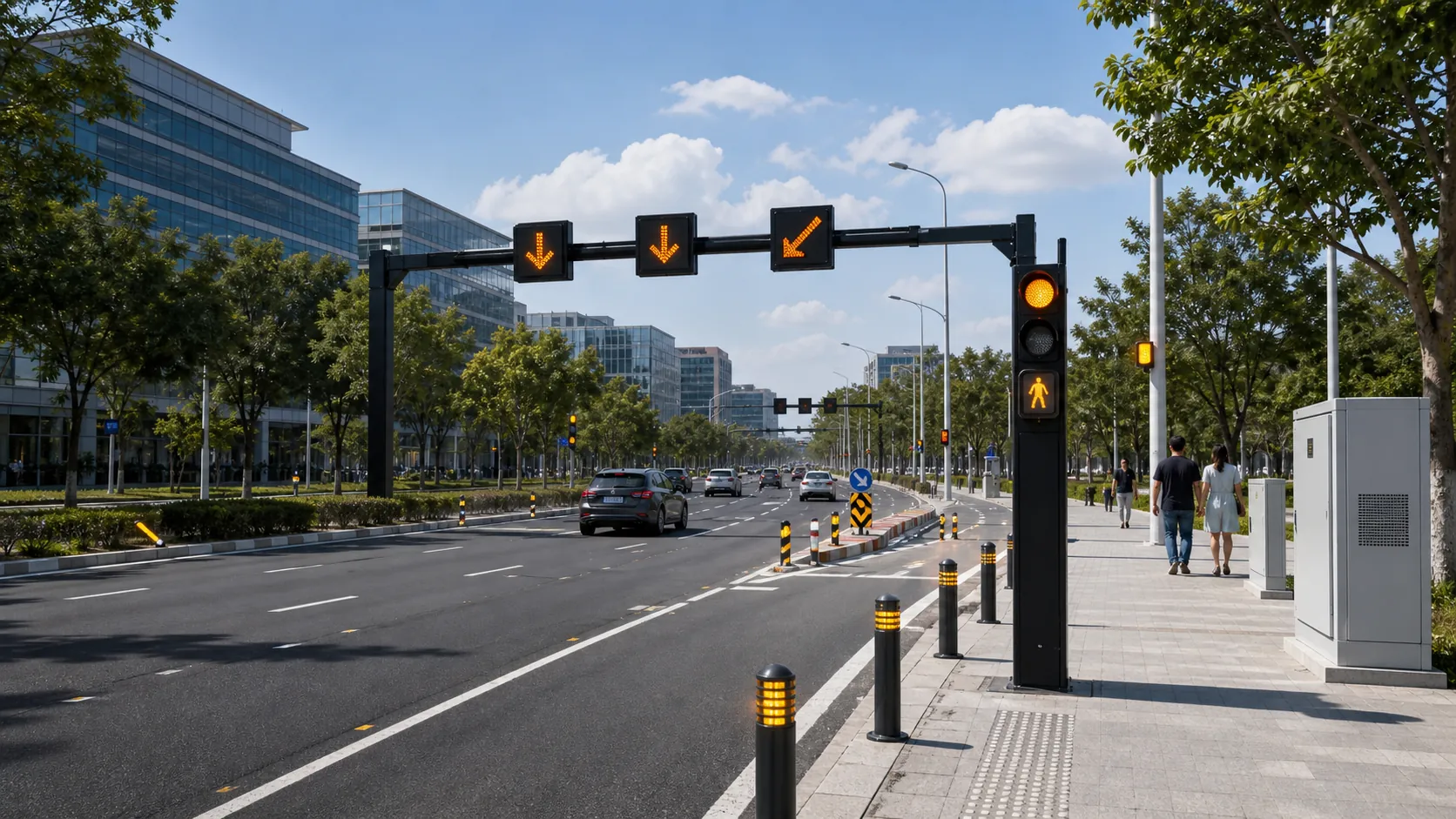
Traffic Safety
Plan connected traffic safety systems with warning beacons, LED signs, road guidance devices, sensing, control cabinets and monitoring software.
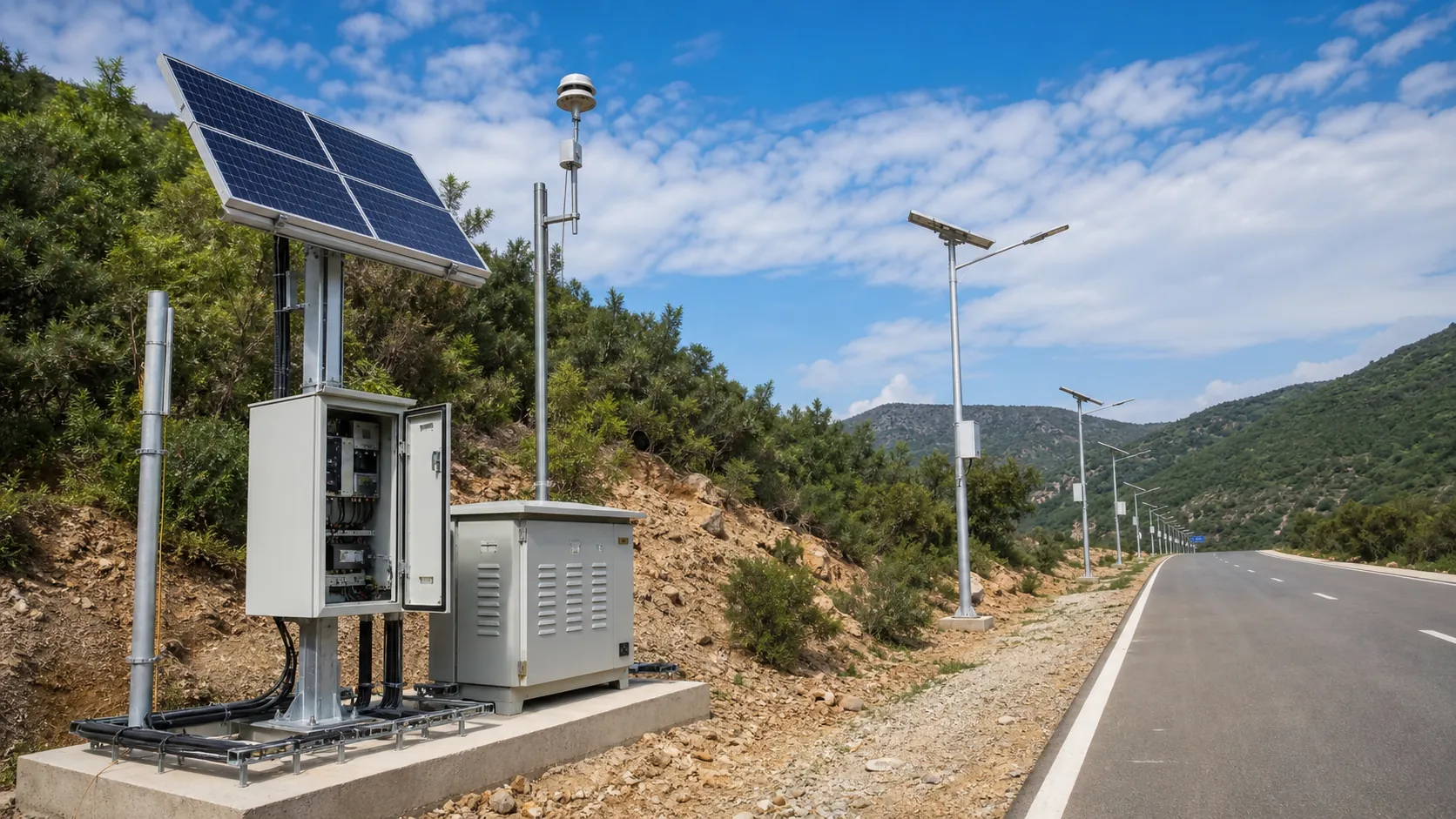
Power and Connectivity
How to choose power, battery, solar, NB-IoT, LTE, LoRaWAN, gateways and monitoring strategy for outdoor IoT infrastructure.
Frequently asked questions
How is an off-grid IoT power system sized?
Sizing starts with load, duty cycle, communication frequency, autonomy days, local sunlight and service interval. Panel and battery choices follow those inputs.
Can solar IoT devices report battery health?
Yes. When supported by the selected controller and device electronics, the platform can show voltage, charge state, low-power alerts and offline risk.
Is solar power suitable for traffic and lighting devices?
It can be suitable when load, brightness schedule, communication, autonomy and local weather are engineered together instead of selected from a generic kit.
What data is needed to size a solar IoT system?
You need load by operating mode, reporting interval, expected autonomy days, local sunlight, battery constraints, panel mounting limits and maintenance interval.
Can the same solar design be reused across all sites?
Only after checking sunlight, shading, duty cycle, service access and criticality. Wide rollouts often need several standard power packages.
Need this engineered for your project?
Tell us the site type, required devices, power and connectivity conditions. REDCOAST.LTD will respond with a tailored approach.