Airports and transport hubs depend on clear movement, reliable outdoor infrastructure and fast maintenance response. REDCOAST.LTD designs parking, guidance, lighting and monitoring systems around those operating pressures.
Transport hub IoT decision matrix
| Decision factor | Recommended approach | Buyer risk to avoid |
|---|---|---|
| Operational criticality | Classify assets by passenger impact, road safety impact and maintenance urgency. | Treating all devices equally hides failures that affect passenger flow or safety. |
| Integration boundary | Define what connects to facility, security, parking or command systems before device rollout. | Late integration discovery creates duplicate dashboards and manual data transfer. |
| Sign and guidance clarity | Plan displays and guidance devices around real driver and pedestrian decision points. | A technically correct system can still fail if signs are not visible at the right moment. |
Passenger and vehicle flow
Parking, pickup areas, service roads and pedestrian crossings need real-time visibility and clear guidance.
- Parking guidance and signs help reduce searching and confusion.
- Traffic safety devices improve visibility around crossings, ramps and service roads.
- Operator dashboards show device health, alarms and capacity status.
High availability operations
Transport hubs have low tolerance for unclear status or slow repair response.
- Remote monitoring for lights, signs, sensors, gateways and control cabinets.
- Alarm priority by zone, traffic impact and safety function.
- Maintenance workflow with evidence, timestamps and closure records.
Integration readiness
Hub infrastructure usually connects with existing security, facility and command systems.
- REST, MQTT or custom interfaces planned around existing systems.
- Data exports for capacity, alarms, asset status and service reports.
- Permission model for operations, facilities, contractors and management.
Checklist
Planning checkpoints
Separate passenger-facing guidance from operator-facing status needs.
Treat device health monitoring as a core requirement.
Test signage visibility from real approach lanes.
Plan integration with existing facility systems early.
Standards
Standards and interface notes
- Transport hubs often require stricter approval for installation access, security zones and maintenance windows.
- Device health monitoring should distinguish critical and non-critical alarms.
- Outdoor signs and safety devices should be checked against local traffic and facility rules.
- Integration planning should include data security, user roles and existing system ownership.
Procurement
Commercial questions to settle
- Which areas cannot be interrupted during installation or maintenance?
- Which alarms are safety-critical or passenger-flow-critical?
- Which existing systems must receive data?
- Who approves signage, device position and maintenance windows?
Acceptance
Evidence buyers should request
| Acceptance test | Pass criteria | Evidence |
|---|---|---|
| Critical alarm routing | High-impact device failures notify the correct operations role within the agreed threshold. | Alarm routing test and notification log. |
| Guidance route validation | Drivers or pedestrians receive clear information before decision points. | Route walk-through photos or video. |
| Integration sample | Selected status or capacity data can be exported or consumed by the target system. | API sample, CSV export or integration screenshot. |
Related Products
Product capabilities for this page
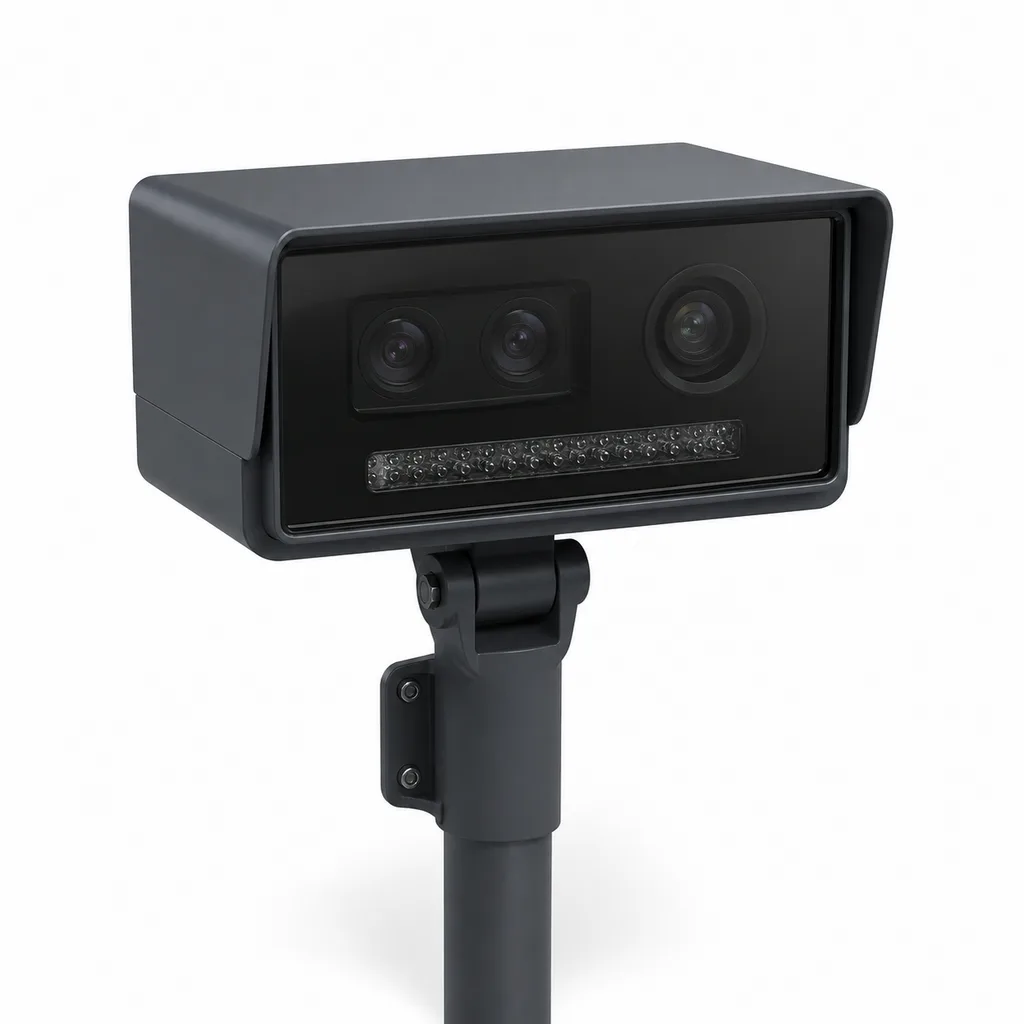
AI Bus Lane & Illegal Parking Enforcement System
Grid-powered, pole-mounted edge-AI enforcement unit that detects bus-lane, no-stopping, illegal-parking and restricted-zone violations, reads plates with ANPR and builds signed, time-synced evidence packages for automated back-office adjudication.
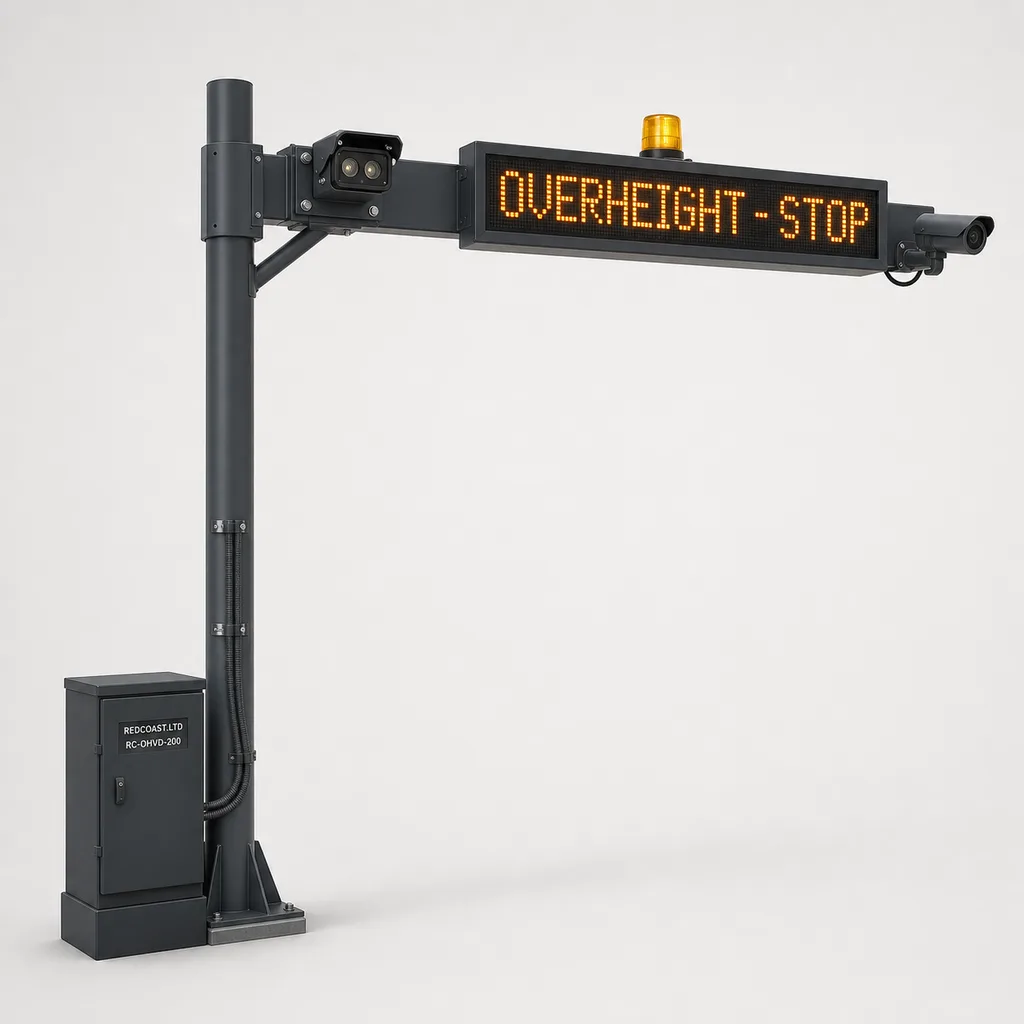
Grid-Powered Over-Height Vehicle Detection and Warning System for Low Bridges and Tunnels (OHVDS)
Mains-powered roadside system that detects over-height trucks with a dual laser/IR curtain, commands an LED warning sign and beacon, ANPR-captures the violator, and pushes the event to traffic management centers over NTCIP — fully engineered by REDCOAST.LTD.
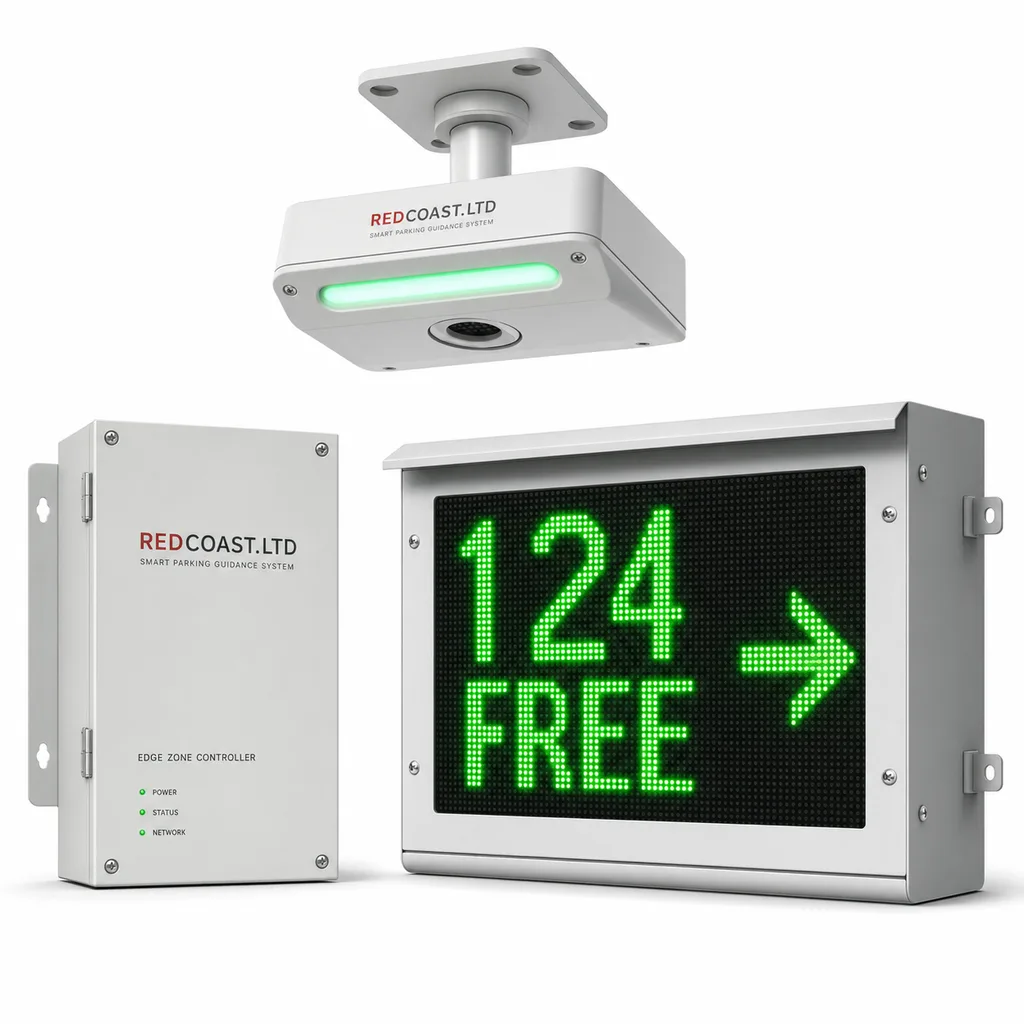
Grid-Powered Smart Parking Guidance & Management System (Per-Bay Sensors, LED Count Signs, ANPR, Cloud & Driver App)
End-to-end grid-powered parking guidance system: all-in-one per-bay ultrasonic sensor with RGBW indicator, zone controllers, multi-pitch LED count signs, ANPR, SaaS dashboard and white-label driver app — all powered by REDCOAST.LTD-designed custom PCBs.
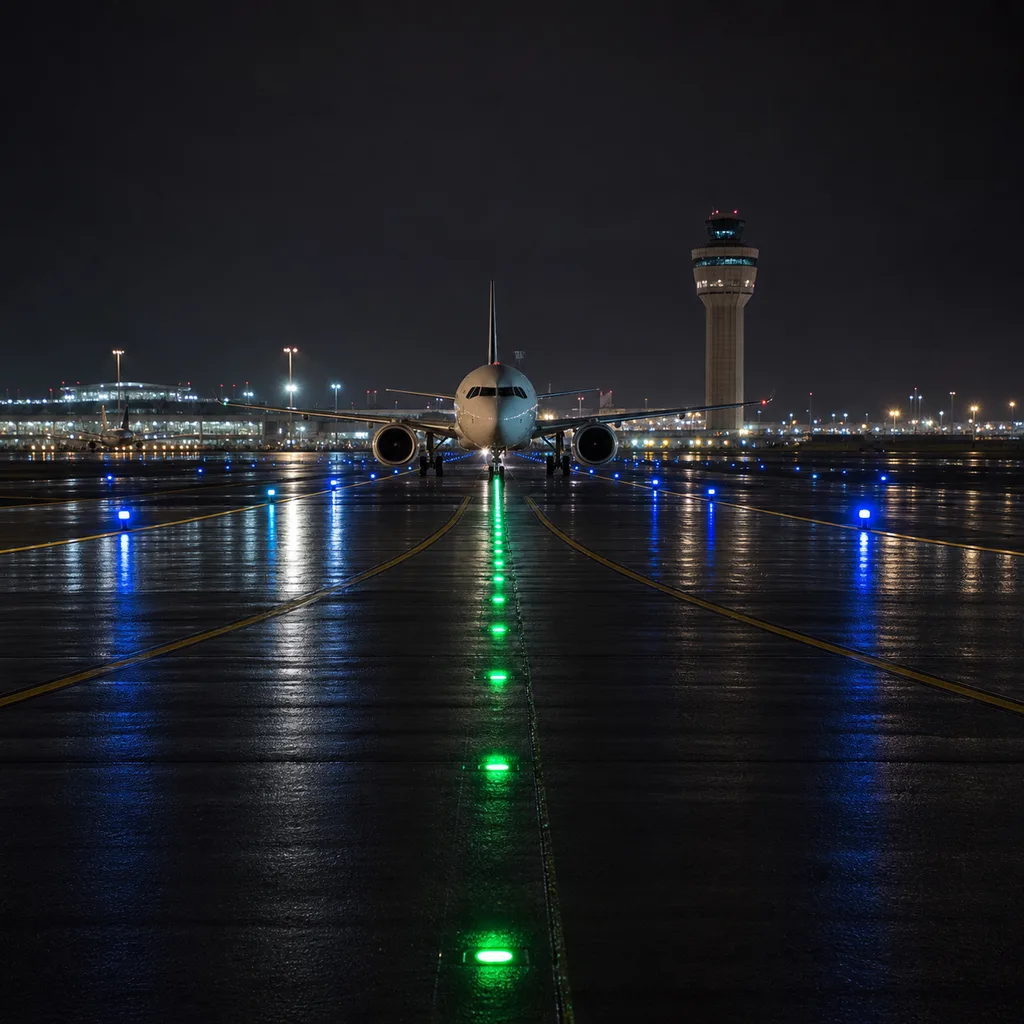
LED Airfield Ground Lighting System (Runway, Taxiway & Approach) with CCR and ILCMS
Mains-powered LED airfield ground lighting system — ICAO/FAA runway, taxiway and approach fixtures with constant current regulators (CCR) and ILCMS single-lamp control, engineered end-to-end by REDCOAST.LTD.
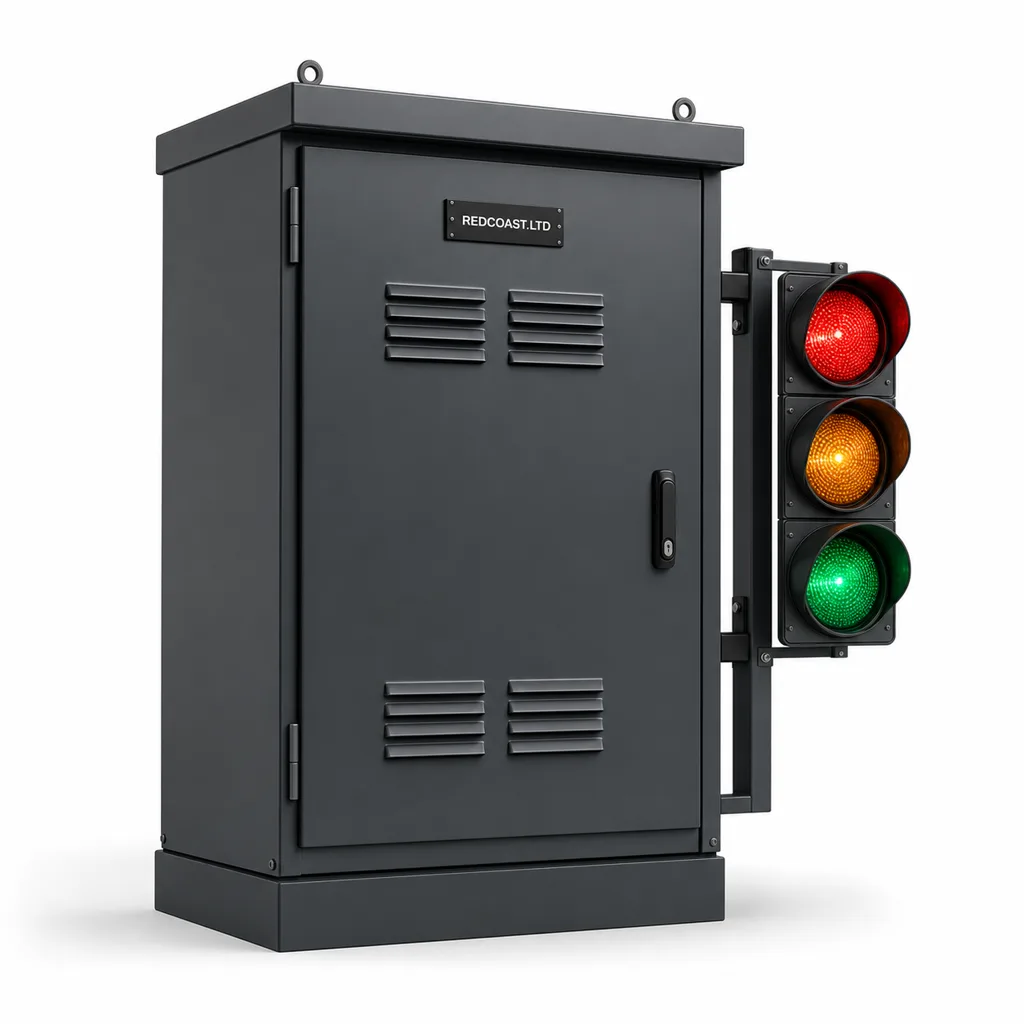
Adaptive Urban Smart Traffic Signal Controller and Intersection System
Grid-powered adaptive traffic signal controller for urban intersections, with in-house controller/signal-driver/MMU PCBs, edge AI detection, NTCIP 1202, V2X-ready, EVP/TSP, and cloud SaaS — by REDCOAST.LTD.
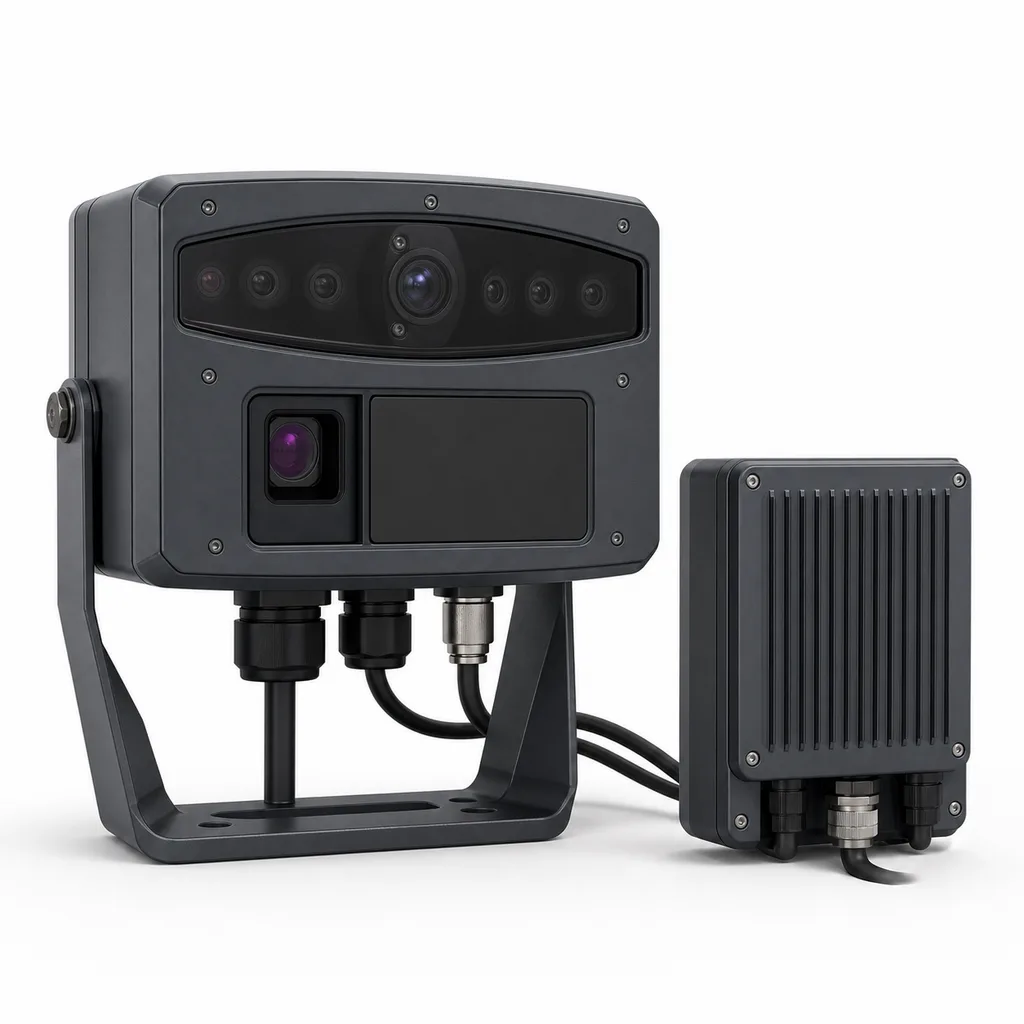
AI Crowd Density Monitoring & Stampede Early-Warning System
Grid-powered crowd-safety system fusing panoramic cameras, thermal imaging and mmWave radar with edge AI to measure real-time density (people/m²), grade crowd Level of Service, and trigger PA/VMS crowd-flow interventions before a crush forms.
Next
Related guidance
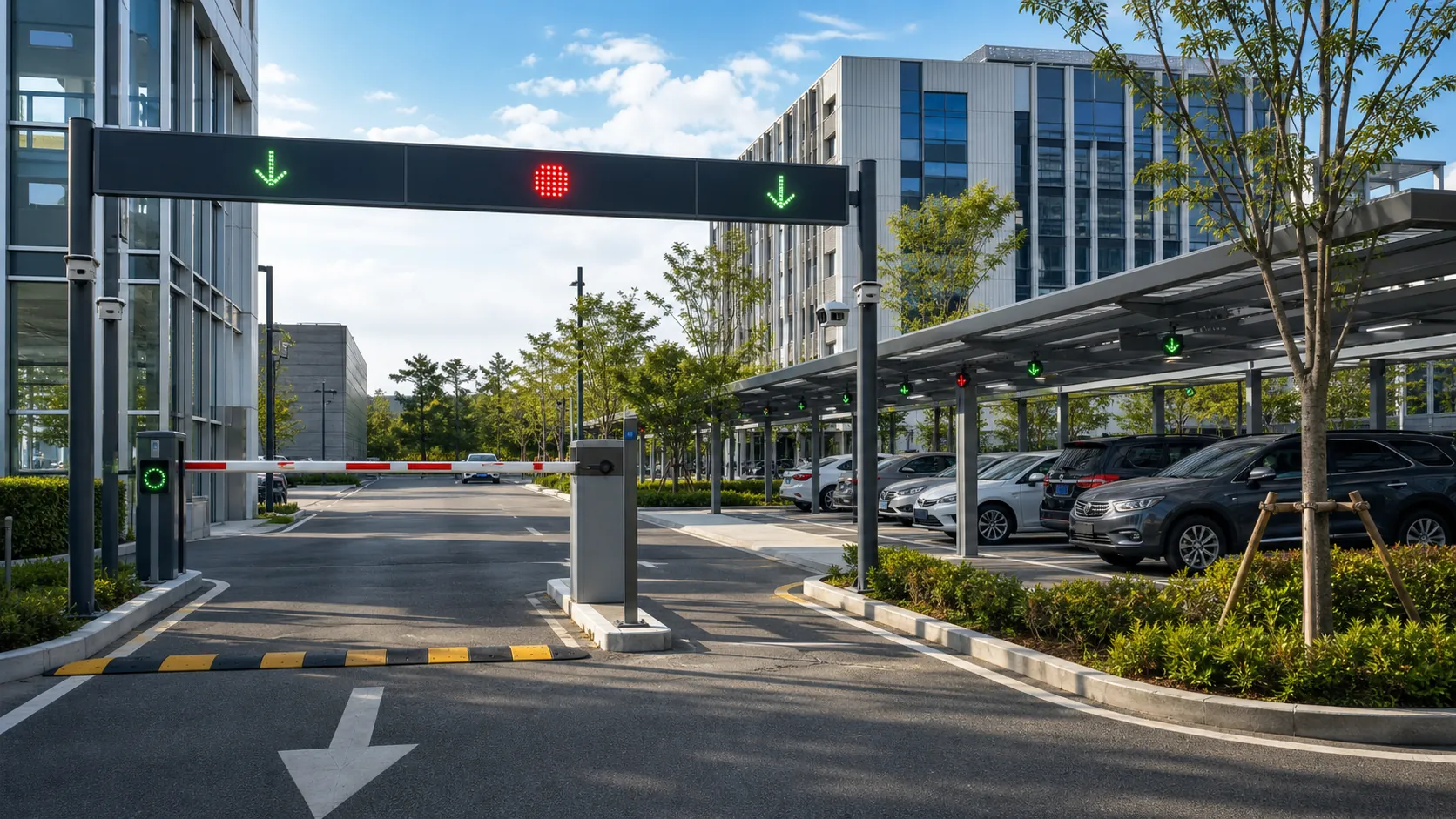
Parking Guidance
Design outdoor and indoor parking guidance with occupancy detection, entrance displays, bay indicators, operator dashboards and integration-ready APIs.
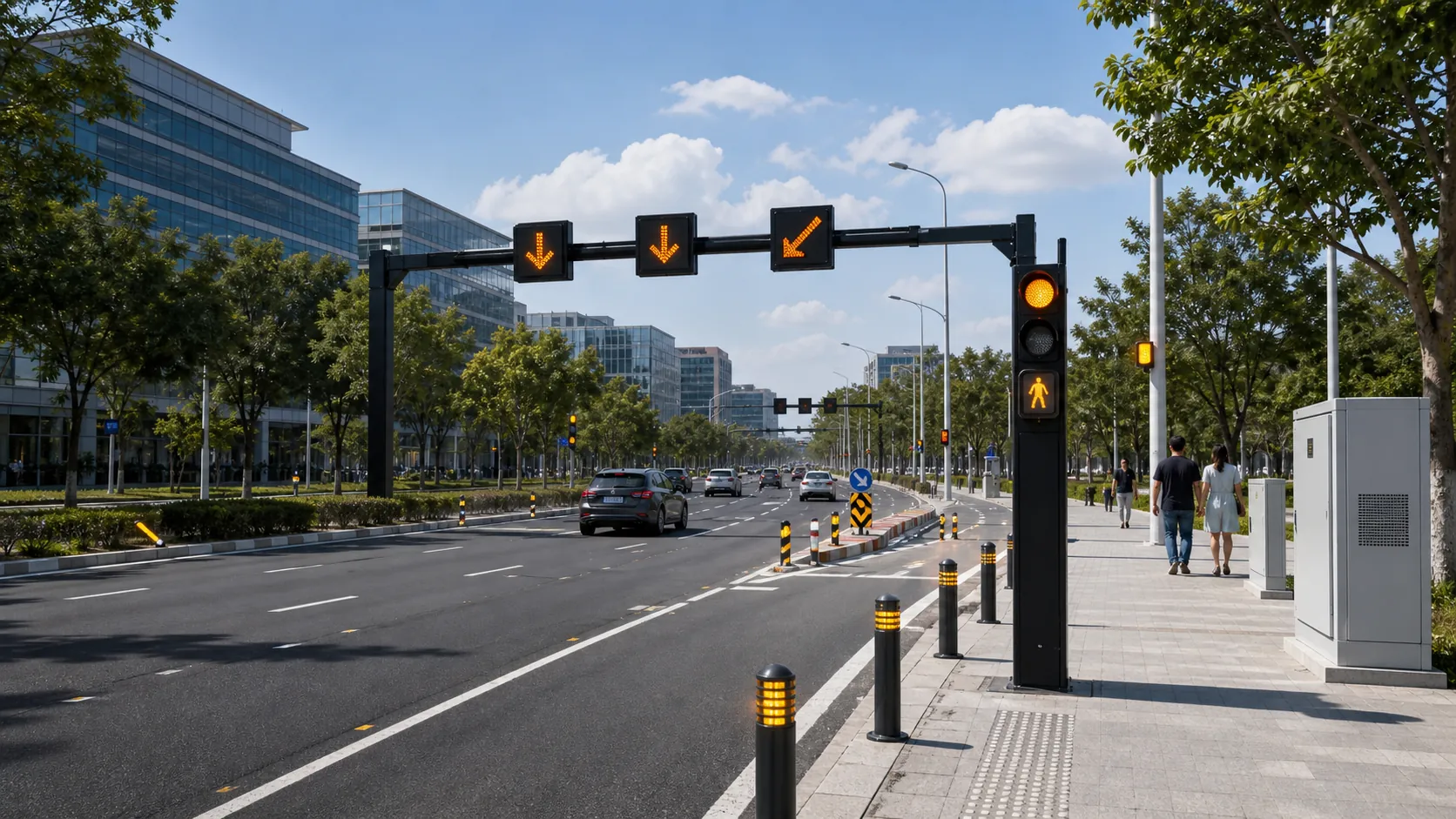
Traffic Safety
Plan connected traffic safety systems with warning beacons, LED signs, road guidance devices, sensing, control cabinets and monitoring software.
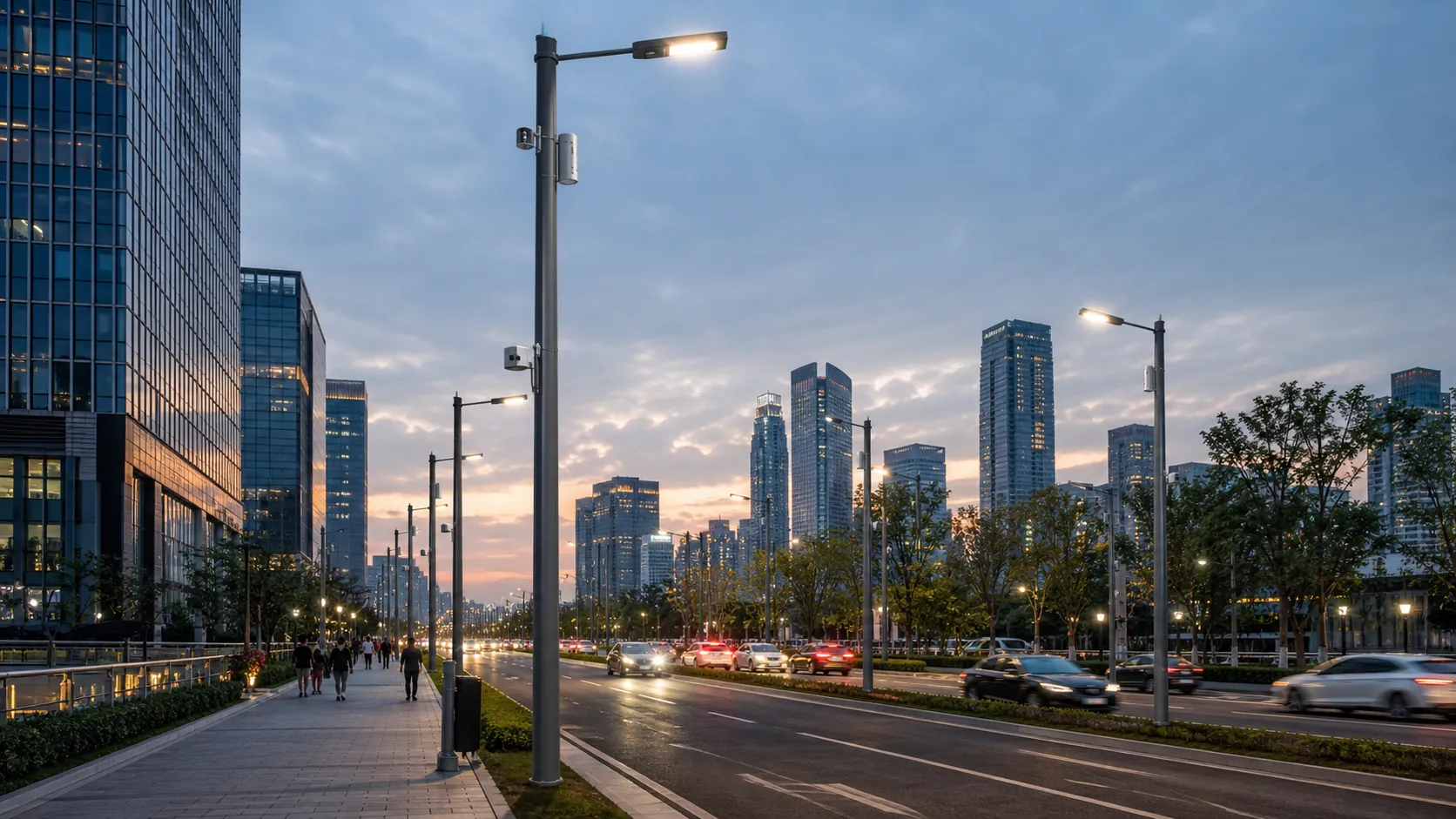
Smart Street Lighting
Plan an IoT street lighting system with LED luminaires, pole controllers, adaptive dimming, fault alarms, asset management and platform integration.
Frequently asked questions
Can parking guidance work for large transport hubs?
Yes. The design should match entrances, zones, decision points, displays and operator dashboards to the hub layout.
What makes transport hub IoT different from normal parking?
Transport hubs usually require higher availability, clearer sign planning, stronger maintenance workflow and integration with existing operations systems.
Can outdoor guidance devices be remotely monitored?
Yes. Connected devices can report online status, alarms and operating history when the selected hardware supports telemetry.
Why do transport hubs need stronger device health monitoring?
Failures in parking, roads, lighting or guidance can affect passenger flow and safety, so operators need fast visibility and clear alarm priority.
Can a transport hub deploy IoT without replacing existing systems?
Yes, if integration boundaries are defined. New devices can expose selected data to existing facility, parking or command systems through agreed interfaces.
Need this engineered for your project?
Tell us the site type, required devices, power and connectivity conditions. REDCOAST.LTD will respond with a tailored approach.