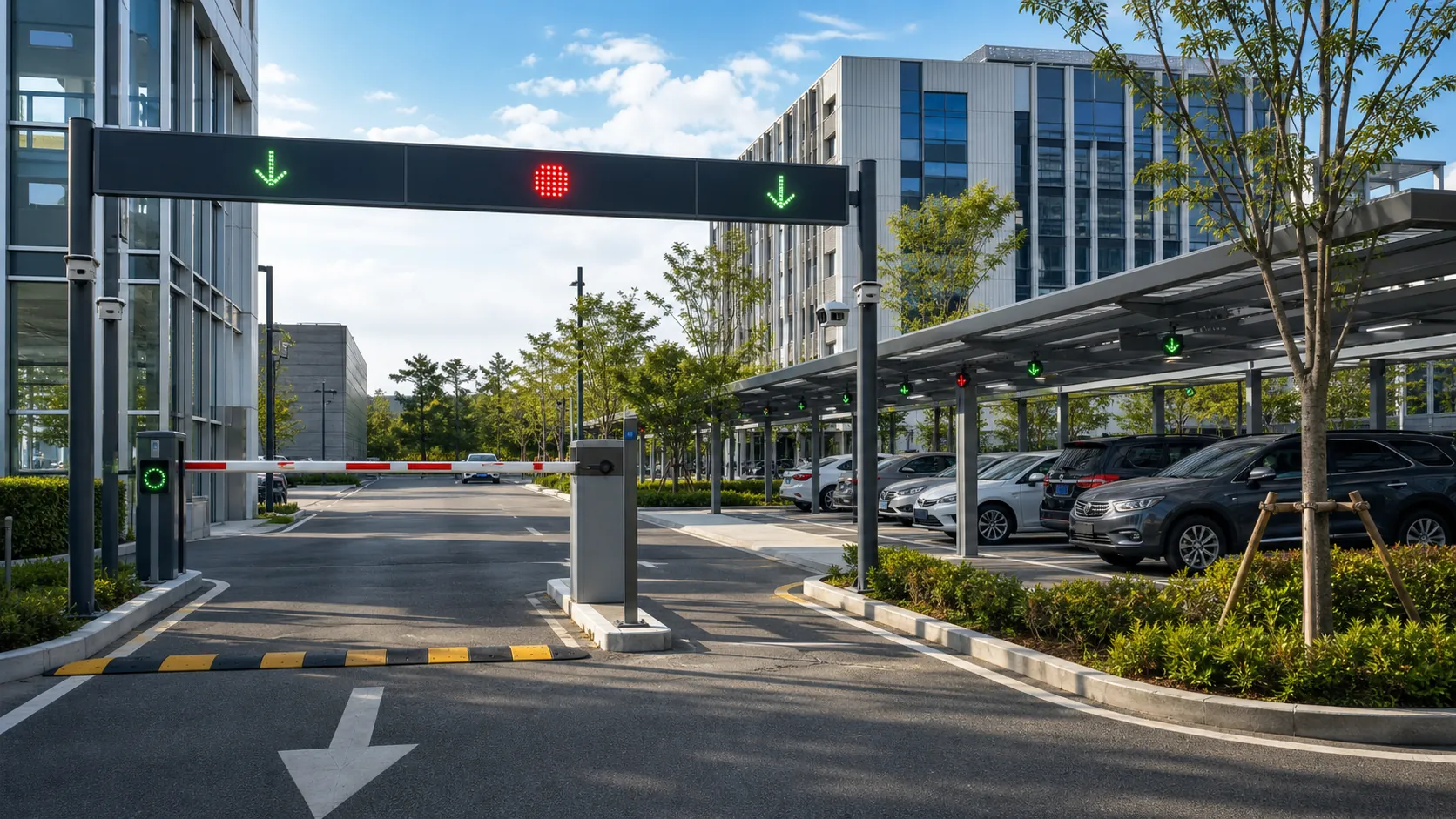
Parking guidance works when detection, signage and operations are designed together. REDCOAST.LTD helps turn parking assets into a visible, measurable system for drivers, operators and property owners.
Parking guidance decision matrix
| Decision factor | Recommended approach | Buyer risk to avoid |
|---|---|---|
| Detection granularity | Use entrance counting for simple capacity display, zone detection for outdoor lots and bay-level detection when drivers need exact space guidance. | Overbuying bay sensors increases maintenance load; underbuying detection makes guidance too vague to change driver behavior. |
| Sensor technology | Choose radar, geomagnetic, camera or loop detection by pavement constraints, weather exposure, accuracy target and service access. | A sensor that is accurate indoors may not stay accurate outdoors, near metal structures or under heavy vehicle movement. |
| Driver decision points | Place displays before entrances, ramps and zone split points, then define fallback behavior for delayed data. | Late or poorly placed signs create confusion even when occupancy data is correct. |
Detection before display
A guidance sign is only useful when occupancy data is accurate enough for the site layout and driver decision points.
- Bay-level, zone-level or entrance-level detection depending on precision needs and project budget.
- Outdoor sensor, camera, radar or loop options evaluated against weather, pavement work and maintenance access.
- Display logic that avoids overpromising spaces when data is delayed or zones are temporarily closed.
Operator visibility
Parking operations need more than a driver-facing sign. Managers need capacity, turnover, alarms and device status in a platform they can use every day.
- Dashboard views for total capacity, free spaces, occupancy rate, offline devices and exceptions.
- Role-based access for facility teams, contractors and headquarters.
- API options for payment, barrier, wayfinding, property apps or digital twin systems.
Deployment planning
The best design starts with traffic flow, entrance decision points, cabling constraints and maintenance permissions.
- Map entrances, ramps, zones, pedestrian paths and signs before finalizing hardware.
- Plan power and data routes for displays, gateways and detectors.
- Run acceptance tests on detection accuracy, sign update latency and operator reporting.
Checklist
Planning checkpoints
Separate indoor, outdoor, rooftop and roadside parking requirements.
Choose detection granularity based on the driver experience you need to deliver.
Define sign locations before ordering display size and brightness.
Require an operations dashboard, not only a device list.
Standards
Standards and interface notes
- Define outdoor display brightness, viewing angle and enclosure rating according to site lighting and weather exposure.
- Confirm whether integration is needed with barriers, payment systems, property apps or wayfinding screens.
- Use local parking, traffic and electrical requirements for sign placement, cabling and cabinet installation.
- Specify data update interval, offline threshold and manual override behavior in the platform requirement.
Procurement
Commercial questions to settle
- Does the buyer need exact bay guidance or only zone availability?
- Can the site accept pavement work, cabling or camera mounting?
- Which systems need parking data: payment, barrier, app, digital signage or security?
- Who maintains sensors and signs after installation?
Acceptance
Evidence buyers should request
| Acceptance test | Pass criteria | Evidence |
|---|---|---|
| Occupancy accuracy | Pilot zones meet the agreed accuracy target during peak and non-peak periods. | Manual count comparison, sensor log and discrepancy report. |
| Display latency | Entrance and zone signs update within the agreed interval after occupancy changes. | Timestamped dashboard and sign photos or video. |
| Operator reporting | The platform shows capacity, free spaces, offline devices and utilization trend by zone. | Dashboard screenshot and exported report. |
Related Products
Product capabilities for this page
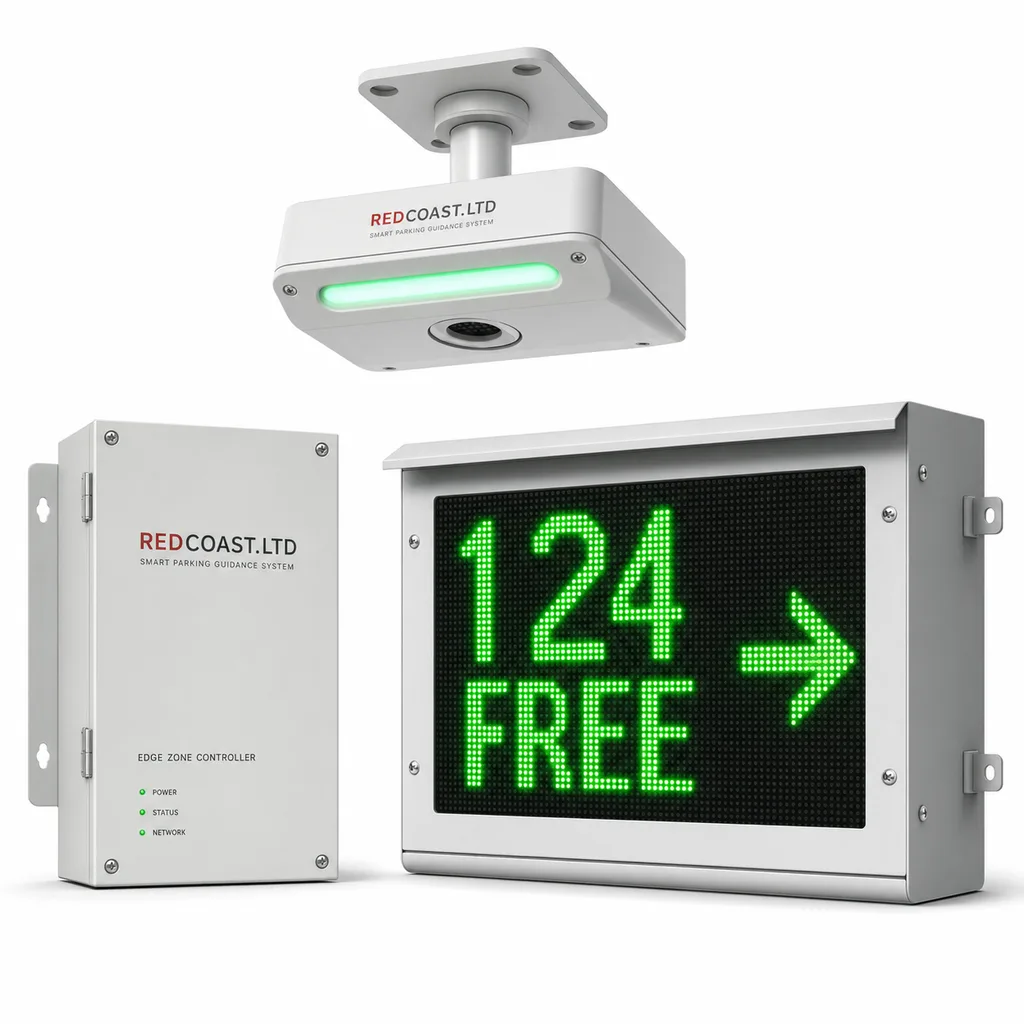
Grid-Powered Smart Parking Guidance & Management System (Per-Bay Sensors, LED Count Signs, ANPR, Cloud & Driver App)
End-to-end grid-powered parking guidance system: all-in-one per-bay ultrasonic sensor with RGBW indicator, zone controllers, multi-pitch LED count signs, ANPR, SaaS dashboard and white-label driver app — all powered by REDCOAST.LTD-designed custom PCBs.
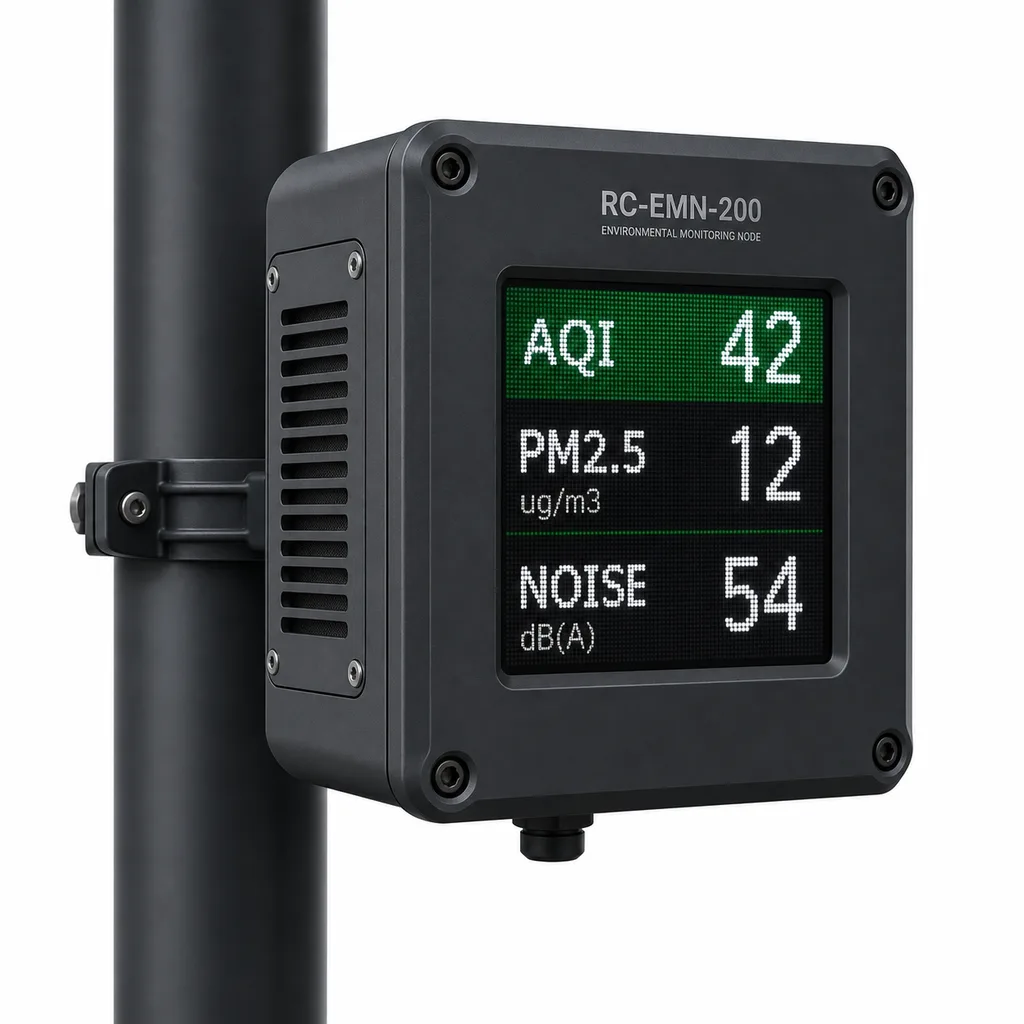
Grid-Powered Urban Multi-Parameter Environmental Monitoring & Public Display Node
Mains-powered pole-mounted sensor node measuring PM2.5/PM10, NO2/O3/CO, noise dB(A) and microclimate in real time—with a built-in outdoor LED display panel for public AQI transparency and FIWARE NGSI-LD push to city platforms.
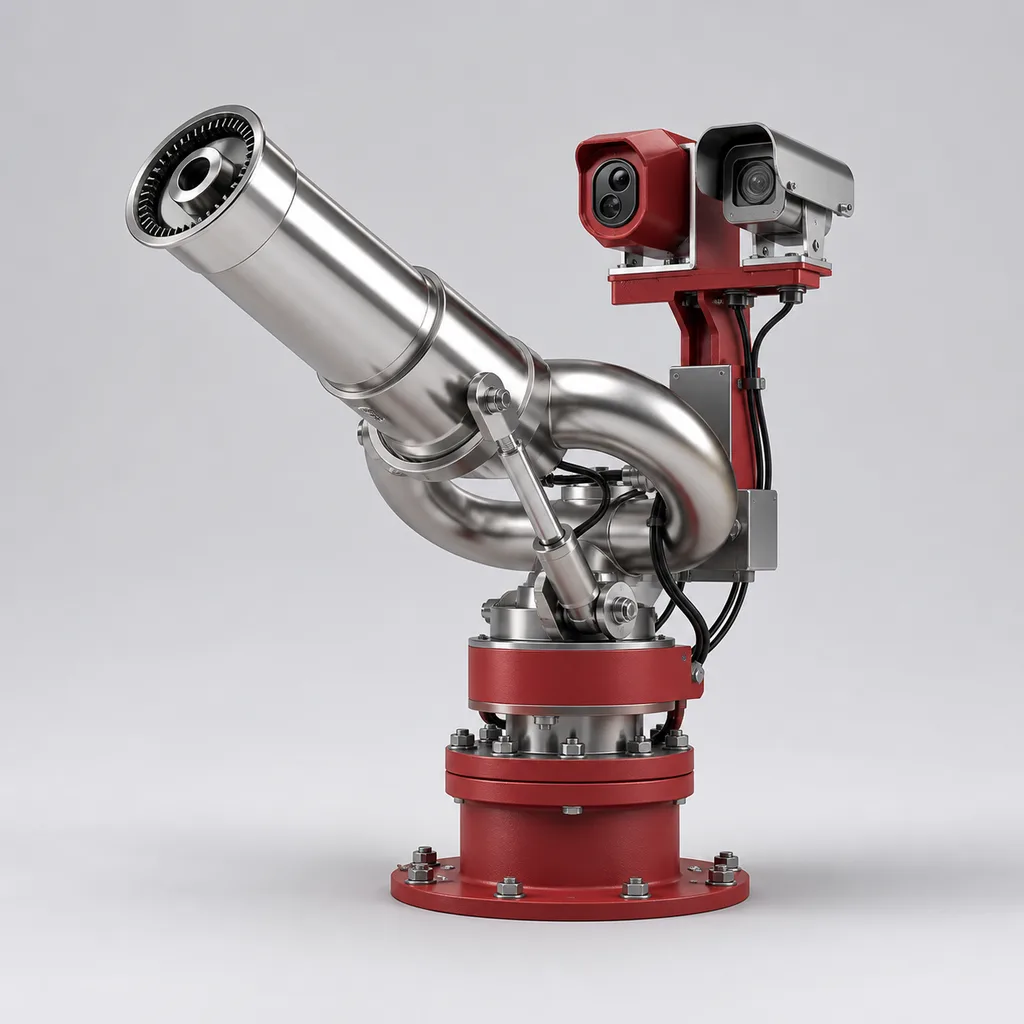
Intelligent Automatic Fire-Fighting Monitor System (Fixed Remote-Control Water/Foam Cannon)
Grid-powered fixed automatic fire monitor (water/foam cannon) with UV/IR flame detection, CCTV auto-targeting and remote control for oil depots, ports, warehouses, hangars and large public spaces.
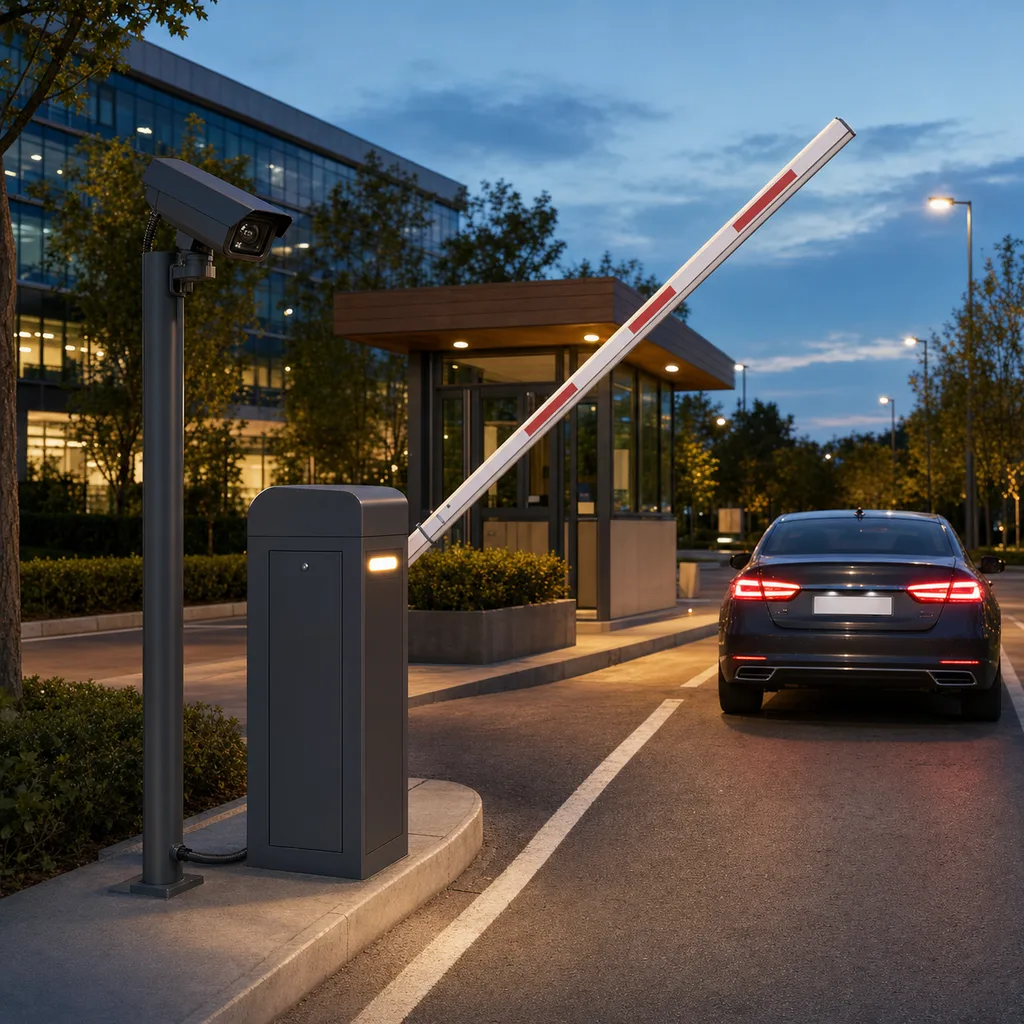
LPR Vehicle Access Control & Barrier Gate System
Grid-powered license-plate-recognition barrier gate for parking lots, gated campuses and compound entries — edge-AI LPR camera, brushless servo barrier and multi-protocol access controller in one REDCOAST.LTD package.
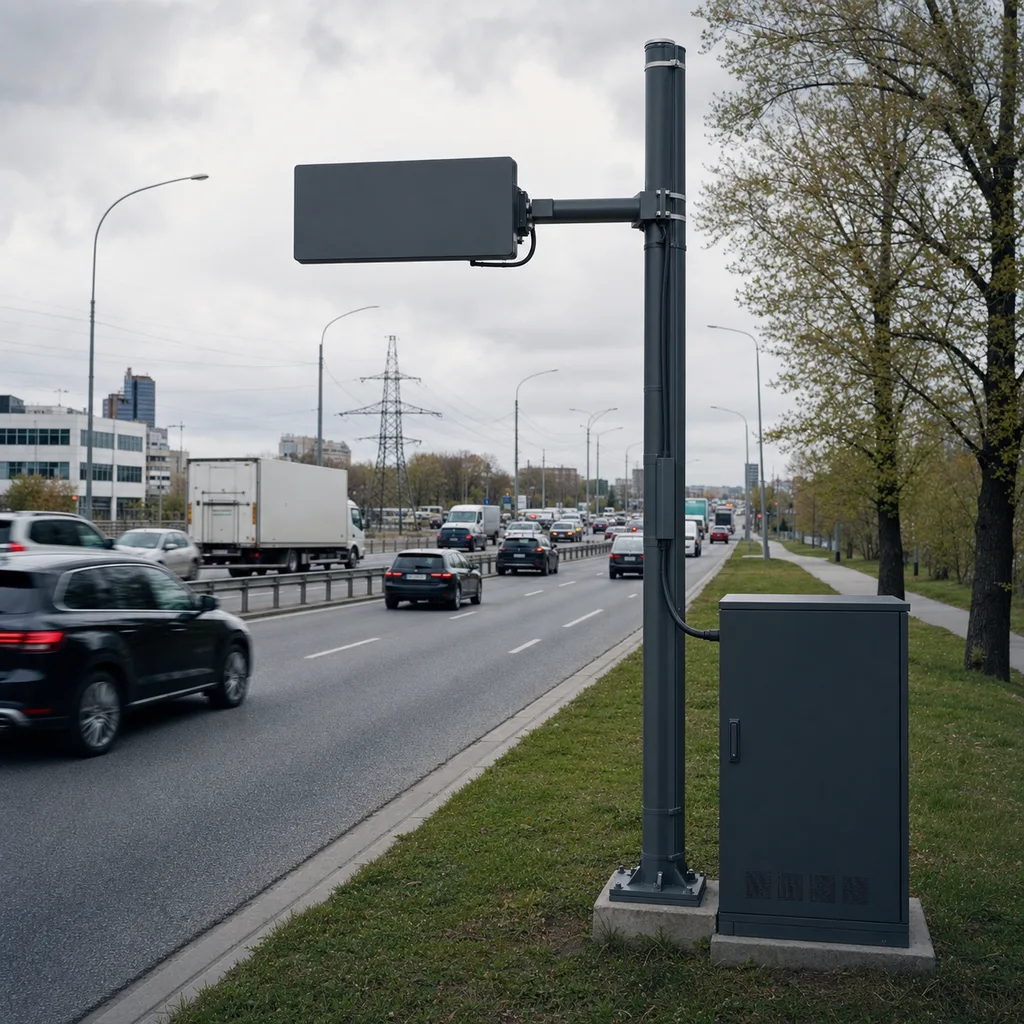
Non-Intrusive Radar Traffic Monitoring & Vehicle Classification Station
Grid-powered non-intrusive side-fire radar station for permanent multi-lane traffic counting, speed and vehicle classification (AADT), NTCIP 1206-ready, UPS-backed with an optional axle-based FHWA 13-class module.
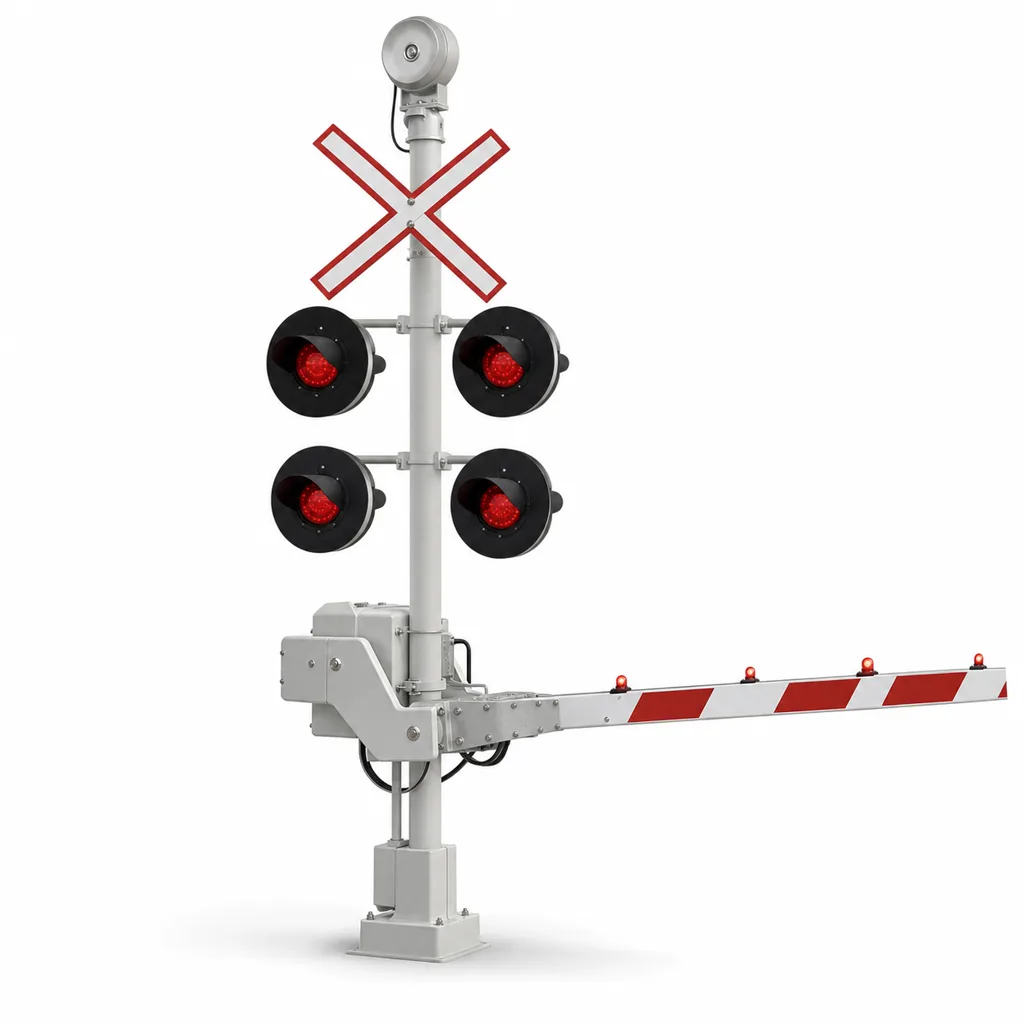
Railway Level Crossing Warning System (LCWS) with LED Flashing Signals, Half-Barrier Gates & Obstacle Detection
Grid-powered railway crossing warning system with wheel-sensor train detection, LED signals, bells, half-barriers, optional radar obstacle detection, battery backup, and web and mobile monitoring.
Next
Related guidance
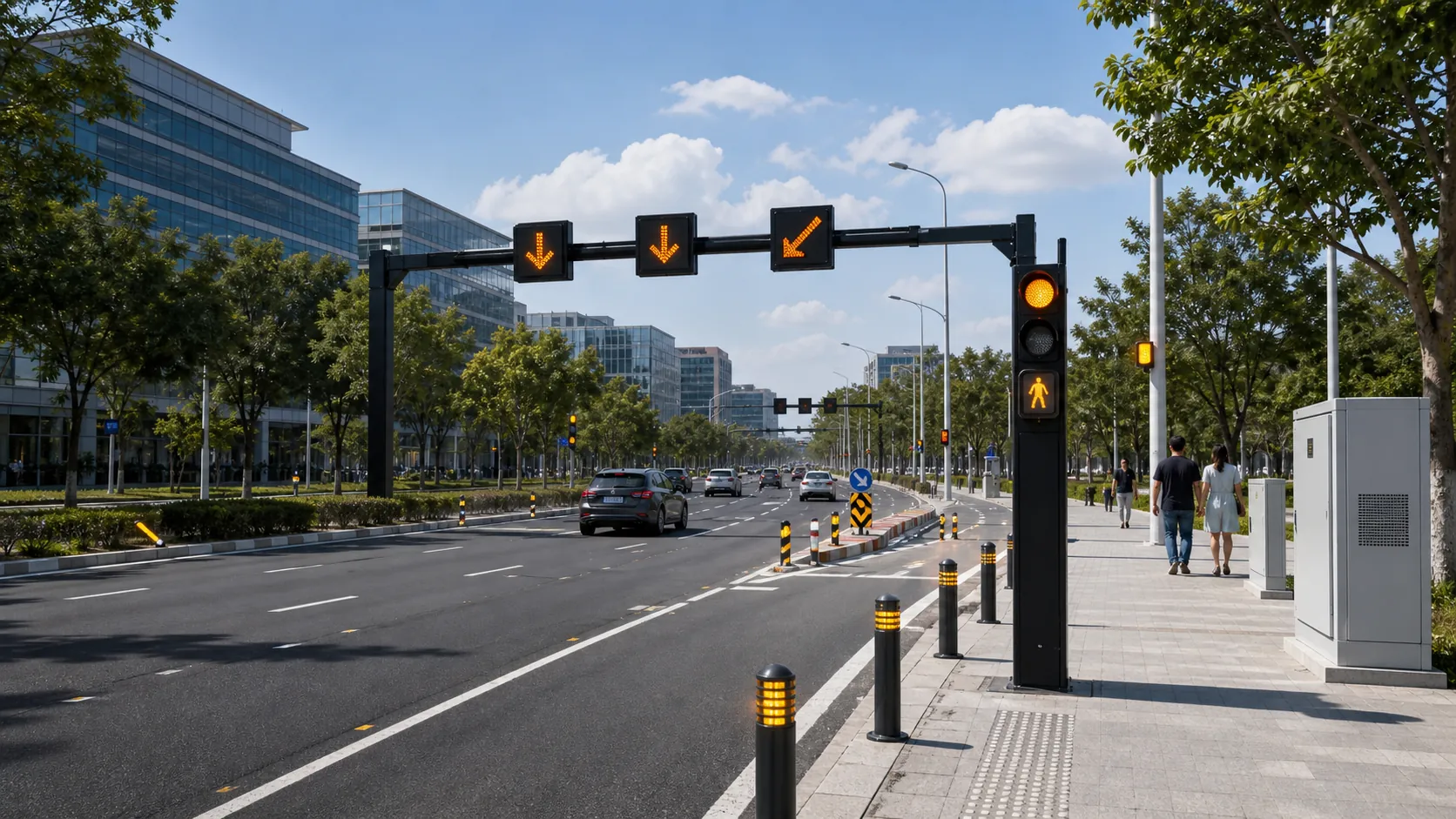
Traffic Safety
Plan connected traffic safety systems with warning beacons, LED signs, road guidance devices, sensing, control cabinets and monitoring software.
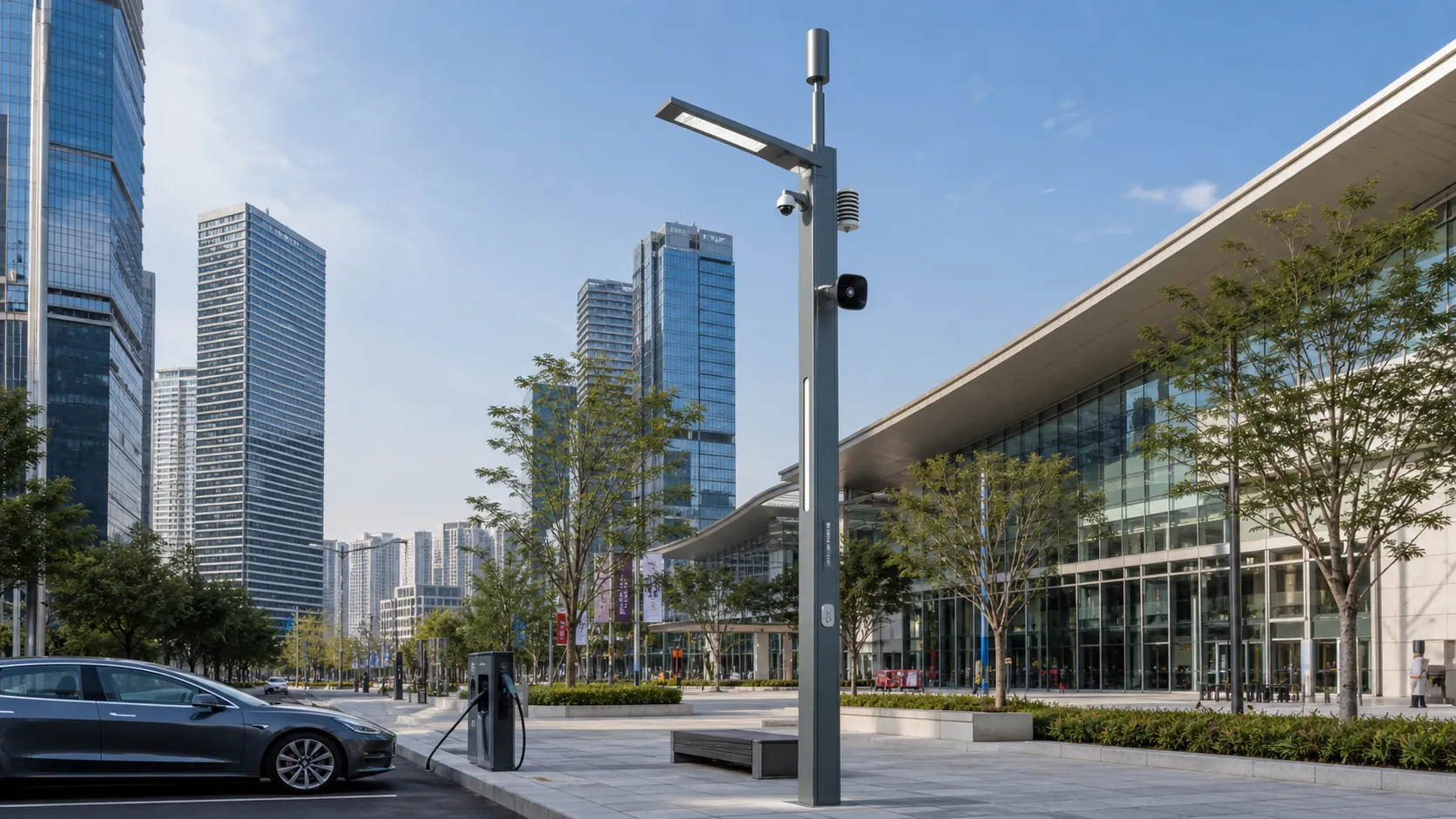
Smart Pole
Build smart pole infrastructure with lighting, cameras, environmental sensors, communication modules, public safety devices and a unified management platform.

Municipalities
Municipal smart city programs for lighting, traffic safety, parking, smart poles and environmental monitoring with one hardware and software partner.
Frequently asked questions
Does a smart parking project need bay-level sensors?
Not always. Bay-level detection is useful when drivers need exact space guidance. Zone-level or entrance-level detection can be enough for simpler lots, lower budgets or early pilots.
Can parking guidance integrate with an existing payment or barrier system?
Yes, if the existing system exposes a usable interface. REDCOAST.LTD can plan REST, MQTT or other integration paths during the solution design stage.
What should be tested before acceptance?
Typical acceptance checks include detection accuracy, sign update latency, offline device alarms, platform reports, manual override behavior and maintenance access.
What is the most common mistake in smart parking guidance procurement?
The most common mistake is buying sensors before mapping driver decision points, sign locations, power routes and operator dashboard needs.
How should outdoor parking guidance be piloted?
Pilot one entrance and one or two zones with real traffic, then test detection accuracy, sign latency, driver clarity, offline alarms and reporting.
Need this engineered for your project?
Tell us the site type, required devices, power and connectivity conditions. REDCOAST.LTD will respond with a tailored approach.