Ports and logistics areas need rugged outdoor systems that keep movement, safety and maintenance visible. REDCOAST.LTD plans power, connectivity, field devices and dashboards around demanding open-area operations.
Ports and logistics decision matrix
| Decision factor | Recommended approach | Buyer risk to avoid |
|---|---|---|
| Coverage across wide areas | Plan gateways, cellular coverage and power access across yards, roads, entrances and edge zones. | Wide-area assets can become invisible if coverage is assumed from office-area signal tests. |
| Rugged outdoor operation | Select mounting, enclosure, surge and power designs for dust, vibration, vehicle movement and weather exposure. | Devices that survive normal city streets may fail in logistics yards. |
| Exception-driven maintenance | Use remote status and alarm priority so teams inspect by exception rather than patrol blind. | Manual patrols are slow and expensive across large yards, especially for solar or remote devices. |
Open-area infrastructure
Large yards and ports require clear device placement, strong power planning and reliable communications.
- Lighting, warning signs, guidance devices and monitoring stations selected by zone risk.
- Solar or grid power designed around load, autonomy and service access.
- Gateway placement planned for coverage across roads, storage areas and entrances.
Safety and movement
Traffic, pedestrians, loading areas and restricted zones need visible signals and maintainable devices.
- LED signs, beacons and guidance markers configured for approach visibility.
- Remote status checks reduce manual patrols across wide areas.
- Alarm history supports maintenance accountability and safety review.
Operational dashboards
Operators need fast exception handling rather than isolated device screens.
- Map view for assets, alarms, online status and zone grouping.
- Reports for recurring faults, offline patterns and maintenance completion.
- Interfaces for existing yard, security or facility systems when available.
Checklist
Planning checkpoints
Plan signal coverage and power access before selecting device models.
Use zone risk to decide where safety devices matter most.
Require outdoor enclosure, surge and mounting details in procurement.
Make remote status monitoring mandatory for wide-area assets.
Standards
Standards and interface notes
- Installation should follow site safety, vehicle movement and restricted-area rules.
- Solar devices require battery access and anti-theft planning in open yards.
- Safety signs and warning devices should be approved according to local traffic and site rules.
- Reports should separate device failure, power risk and communication weakness by zone.
Procurement
Commercial questions to settle
- Which zones have the highest safety or downtime risk?
- Which areas lack grid power or reliable signal?
- Who can access devices for maintenance in restricted areas?
- Should reports be grouped by yard, gate, road or contractor responsibility?
Acceptance
Evidence buyers should request
| Acceptance test | Pass criteria | Evidence |
|---|---|---|
| Wide-area connectivity | Devices in representative yard and edge zones report at the agreed interval. | Coverage log and platform online report. |
| Power resilience | Solar or grid-powered devices show stable telemetry during normal operations. | Voltage trend and alarm history. |
| Safety device visibility | Signs, beacons or guidance devices remain visible from vehicle approach points. | Site photos or video from approach routes. |
Related Products
Product capabilities for this page
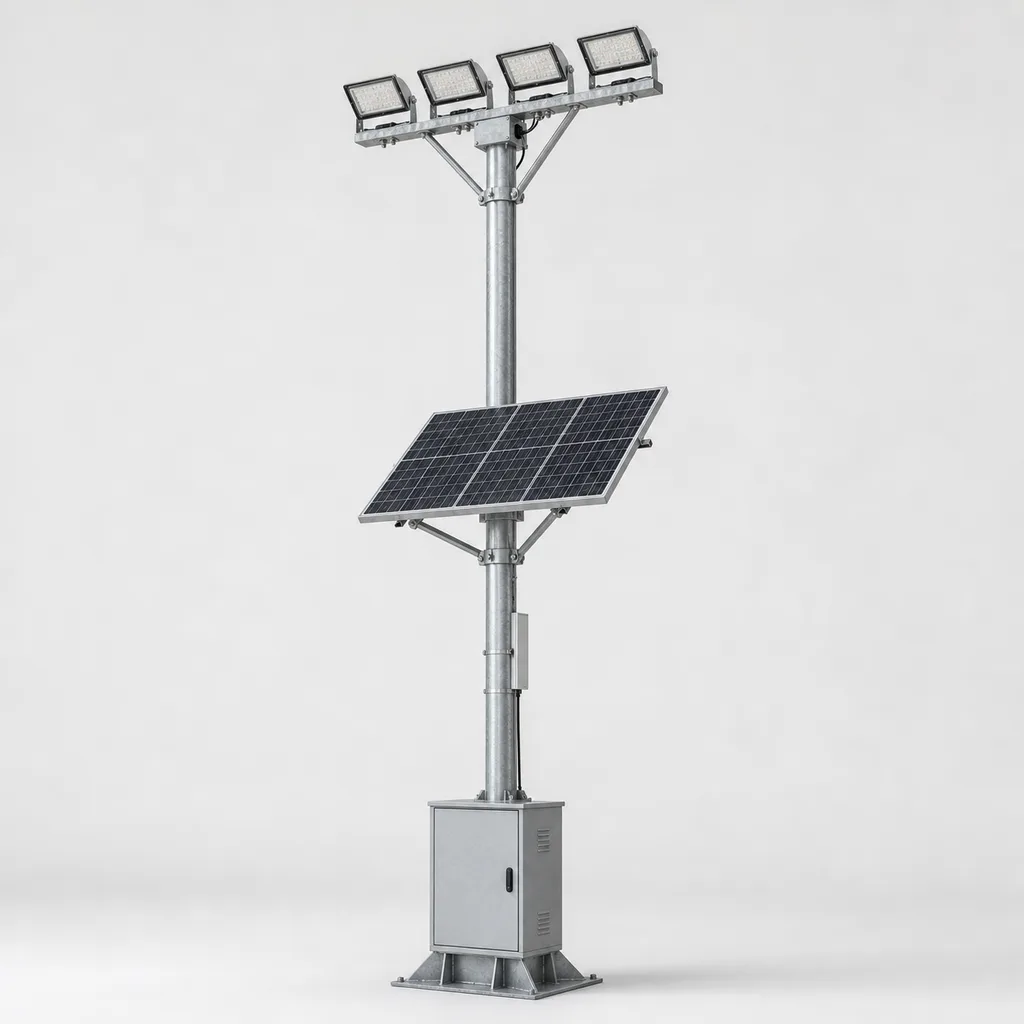
Off-Grid Solar Smart High-Mast & Area Flood Lighting System
Off-grid solar-powered high-mast and large-area flood lighting for ports, yards, parking lots, sports fields and squares, with REDCOAST.LTD in-house MPPT power-management PCB, smart dimming and remote CMS control.
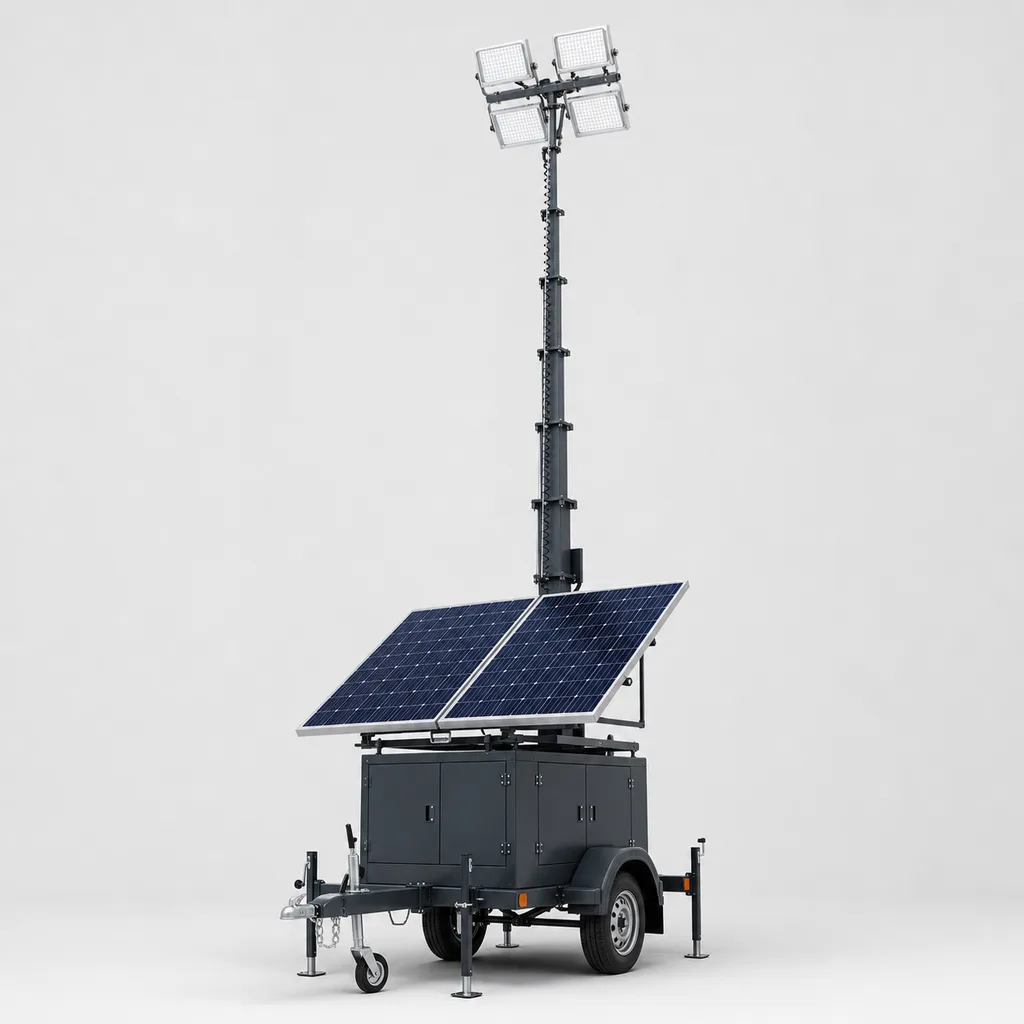
Mobile Solar Light Tower (Trailer-Mounted Telescopic Lighting Tower)
Trailer-mounted off-grid solar light tower with telescopic mast, 4x LED floodlights up to 100,000 lm, LiFePO4 storage and IoT remote monitoring — zero-fuel mobile lighting for construction, mining, events and disaster relief.
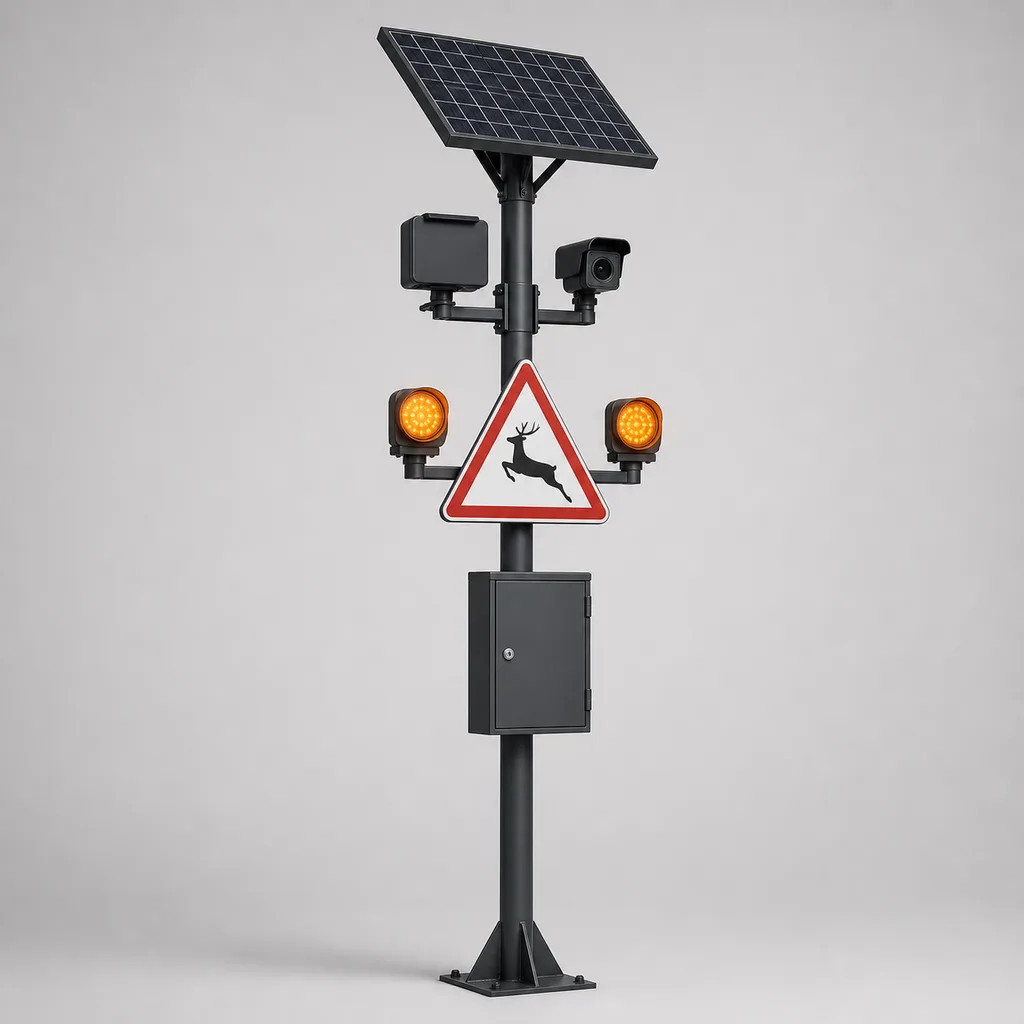
Off-Grid Solar AI Wildlife & Large Animal Detection and Driver Warning System
Off-grid solar roadside system that detects camels, deer, elk, moose and livestock near rural highways with radar (optional thermal AI), triggers upstream LED warning signs in under 2 seconds, and reports to a cloud dashboard and mobile app.
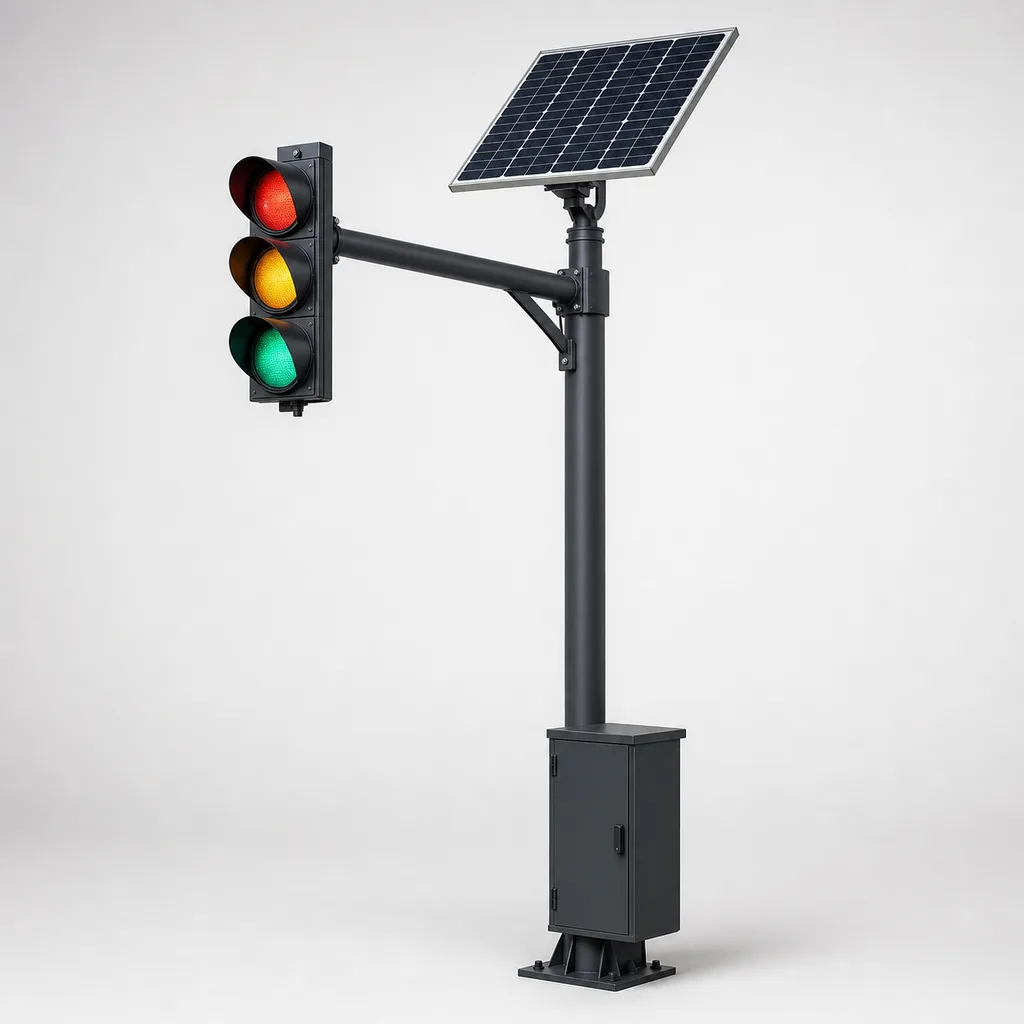
Off-Grid Solar Smart Traffic Signal System
Off-grid solar LED traffic signal system for remote intersections, work zones and grid-unreliable junctions: 5-7 days of LiFePO4 autonomy, a hardware conflict monitor with fail-safe mode, and a Web platform and mobile app for remote control.
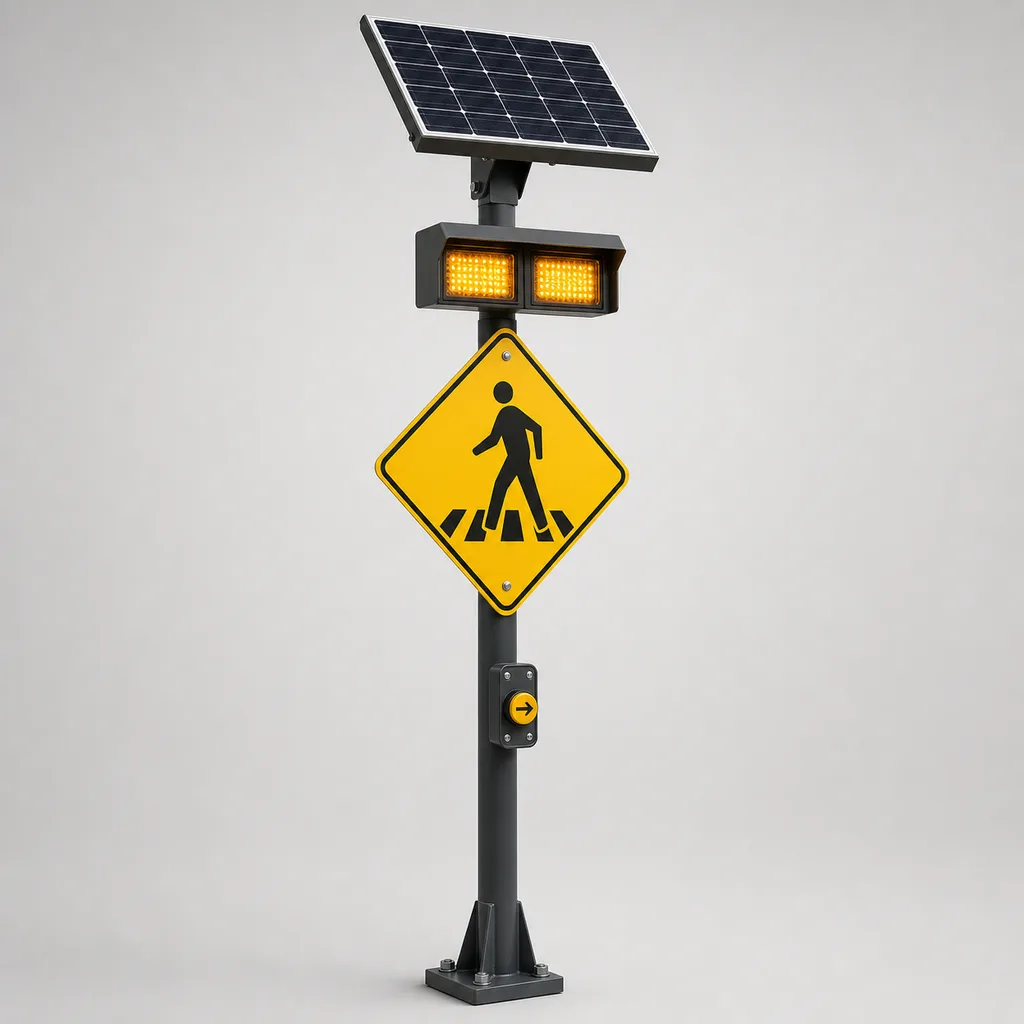
Solar-Powered Smart Pedestrian Crossing & Active Crosswalk Warning System
Off-grid solar crosswalk safety system with FHWA/MUTCD-style RRFB beacons, in-road LED studs, radar/PIR pedestrian detection and IoT remote monitoring — REDCOAST.LTD custom PCB and software-hardware integration.
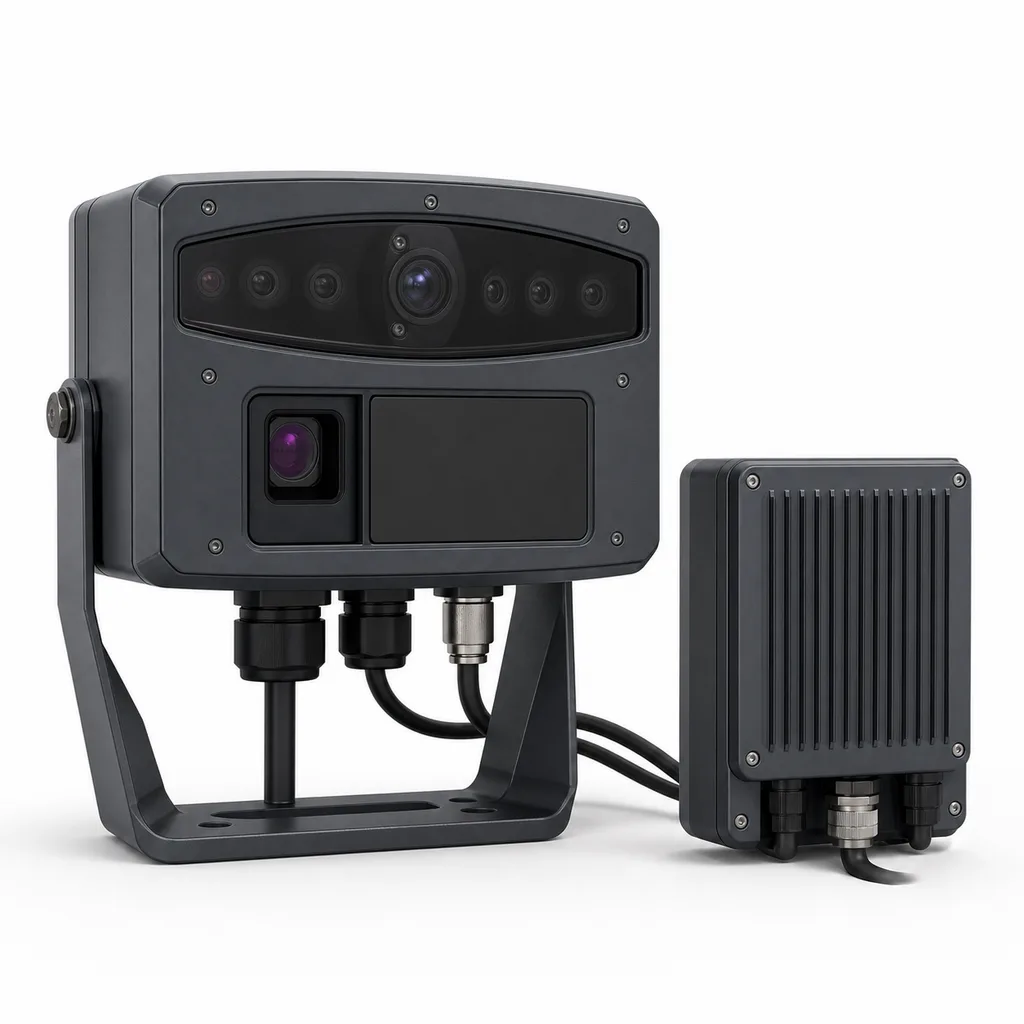
AI Crowd Density Monitoring & Stampede Early-Warning System
Grid-powered crowd-safety system fusing panoramic cameras, thermal imaging and mmWave radar with edge AI to measure real-time density (people/m²), grade crowd Level of Service, and trigger PA/VMS crowd-flow interventions before a crush forms.
Next
Related guidance
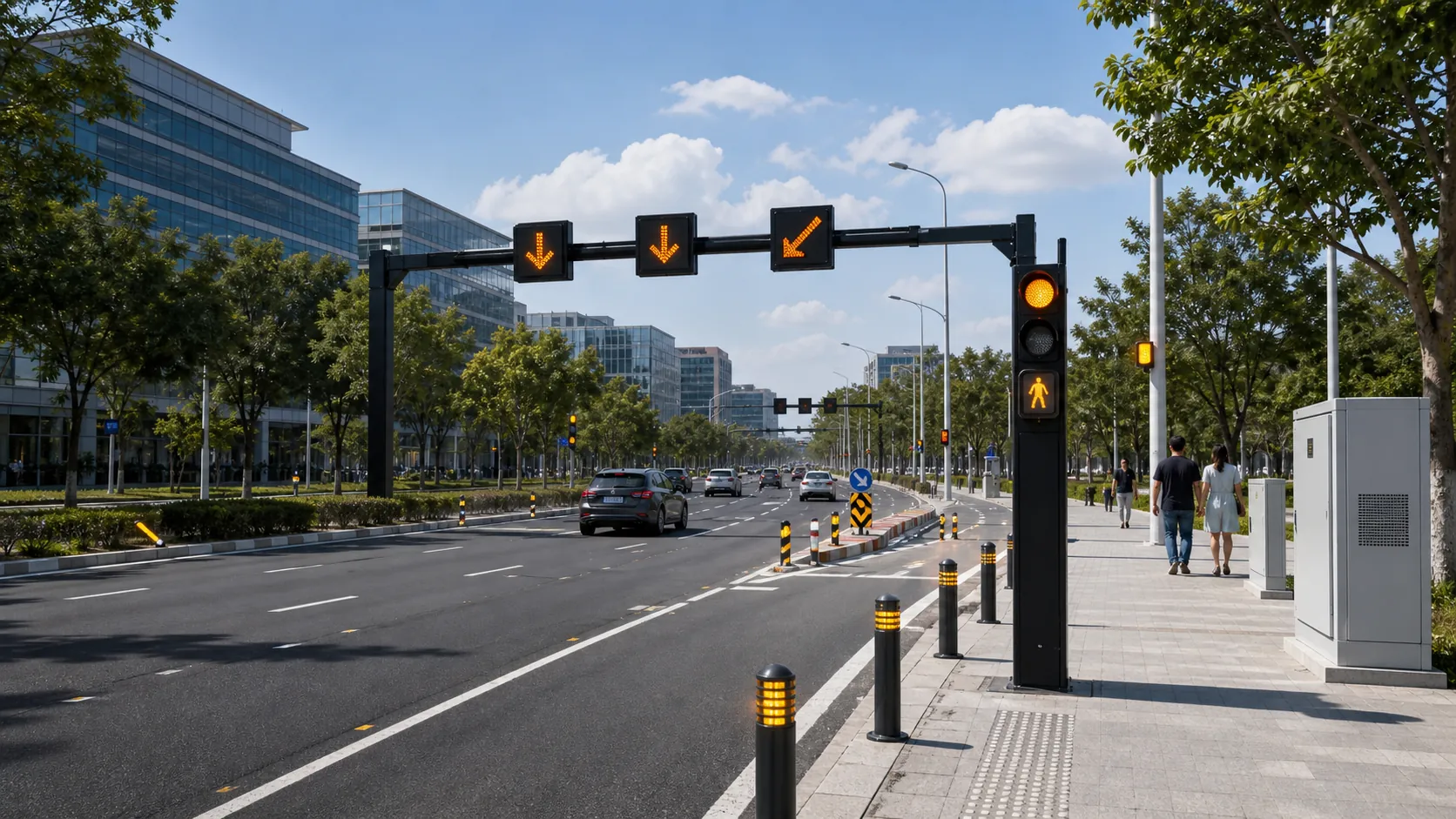
Traffic Safety
Plan connected traffic safety systems with warning beacons, LED signs, road guidance devices, sensing, control cabinets and monitoring software.
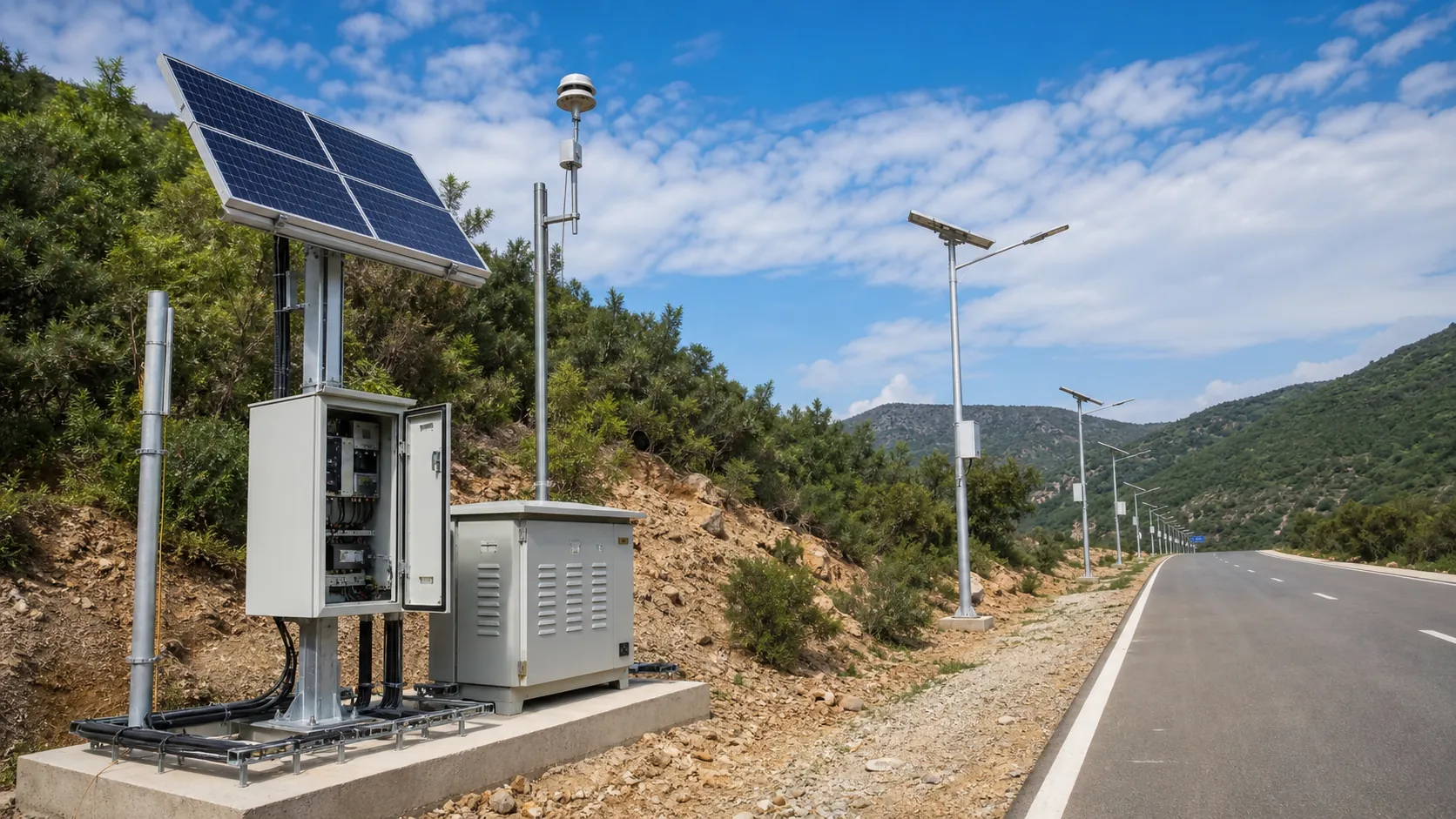
Solar Off-Grid IoT
Design solar-powered outdoor IoT systems with panels, batteries, controllers, low-power devices, gateways and remote power monitoring.

Smart Street Lighting
Plan an IoT street lighting system with LED luminaires, pole controllers, adaptive dimming, fault alarms, asset management and platform integration.
Frequently asked questions
Can outdoor logistics IoT run without grid power?
Yes, selected devices can run on solar power when load, autonomy, local sunlight and maintenance access are engineered together.
What should ports monitor remotely?
Useful remote data includes lighting status, safety device health, gateway connectivity, power alerts, environmental readings and maintenance history.
How can logistics yards reduce manual inspection?
Connected devices can report online status, faults and alarms to a platform so teams inspect by exception instead of routine blind patrol.
Why are ports and logistics areas difficult for outdoor IoT?
They combine large coverage areas, heavy vehicle movement, exposed devices, power constraints, restricted access and high safety expectations.
How can logistics yards reduce IoT maintenance cost?
Use remote status monitoring, zone-based alarm priority, standardized device packages and clear service access planning.
Need this engineered for your project?
Tell us the site type, required devices, power and connectivity conditions. REDCOAST.LTD will respond with a tailored approach.